
TL;DR: Natural events like dust storms, seaspray, pollen, wildfires, and volcanoes contribute significantly to global PM10 air pollution levels. Even though many regulations exclude naturally occurring PM10, these coarse particles can still harm human health and worsen with climate change, making it important to monitor and protect against them.
In the UK, about 15% of the PM10 concentrations people are exposed to come from natural sources. In other places, that number may be even higher. Some estimates even place as much as 75% of global dust emissions on natural sources. Many regulatory bodies do not enforce standards on naturally occurring sources of PM10 air pollution. However, naturally occurring PM10 can still be dangerous and lead to health problems.
Defining PM10 air pollution
Particulate matter refers to any kind of solid or liquid particles suspended in the air. Anything that is not a gas that is suspended in the air is considered particulate matter, making it a wide umbrella term that encompasses a variety of air pollutants. Just as many substances contribute to PM10, there are numerous sources of PM10 air pollution.
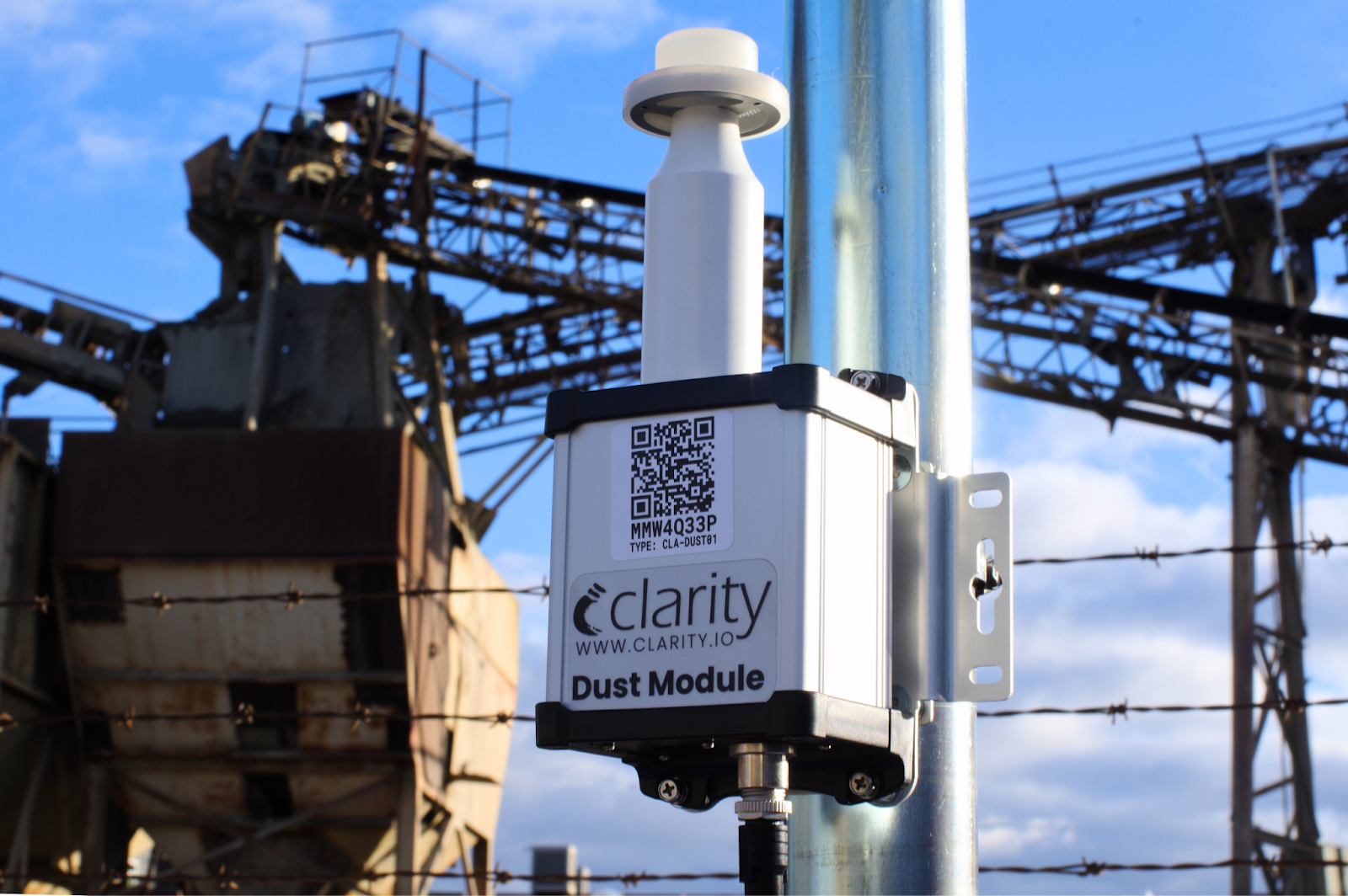
Particulate matter can cause adverse health effects, particularly when inhaled. There are two commonly regulated classifications of inhalable particulate matter: PM2.5 and PM10. PM2.5 refers to particulate matter with a diameter of 2.5 micrometers or smaller, while PM10 refers to particulate matter with a diameter of 10 micrometers or smaller. Because of its larger size, PM10 encompasses dust. The US EPA regulates both forms of particulate matter through the National Ambient Air Quality Standards.
PM2.5 is generally seen as the more serious threat to health because its smaller size allows it to enter the bloodstream and penetrate deeper into the body. However, PM10 can still penetrate deep into the lungs, where it can lead to cardiovascular and respiratory diseases.
PM10 air pollution from sand and dust storms
Sand and dust storms (SDS) occur when strong winds blow over dry and fine-grained materials with little or no vegetation cover. SDS are most frequent in arid and semi-arid regions. Although most of the storms themselves remain close to the ground, finer dust particles can lift up into the troposphere, where they can stay for weeks or months and spread thousands of kilometers away.
In severe sandstorm events, PM10 dust concentrations can exceed 15,000 μg/m3. For reference, the United States National Ambient Air Quality Standards for PM10 is an average of 150 μg/m3 for any given 24-hour period.

In some areas, human-caused soil disturbance, deforestation, land degradation, and desertification have increased the frequency and intensity of sand and dust storms. About 25% of related dust emissions come from human activities. Poor land management and drought, for instance, were major factors contributing to the American Dust Bowl during the Great Depression.
Every day, 330 million people are exposed to SDS particles. These particles can even contain harmful materials such as silica, which can cause silicosis over time, a type of lung disease that has no cure.
PM10 air pollution from seaspray
In coastal areas, seaspray contributes to the ambient concentrations of PM10 air pollution. This type of particulate matter mainly consists of salt aerosols that have been churned up into the air by rough winds.
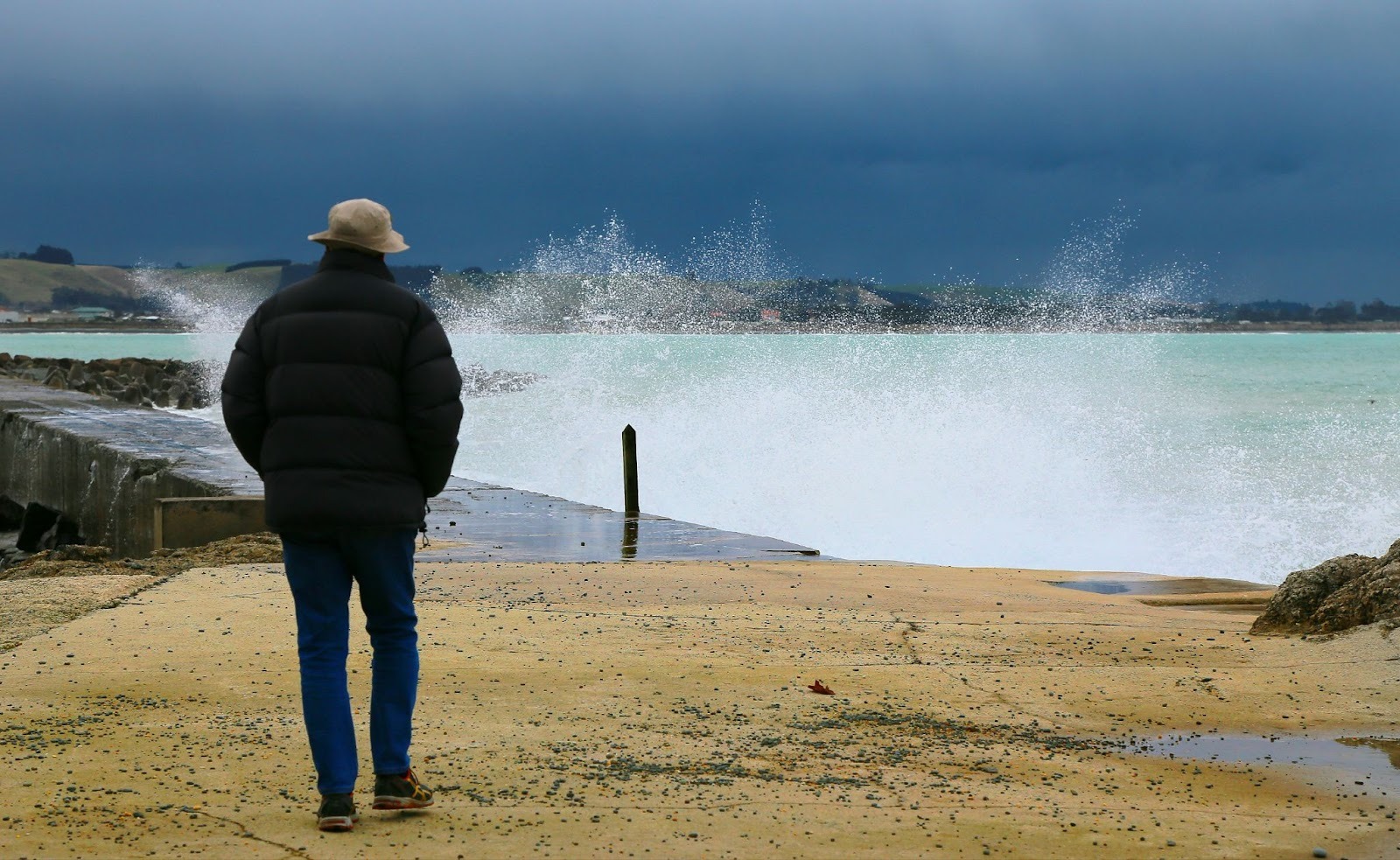
Seaspray particulate matter has both positive and negative effects on the atmosphere. These particulates release halogens, which can remove ground-level ozone, a harmful gas, but they can also contribute to acid deposition, which harms ecosystems. Sea salt aerosols can also corrode local buildings and materials over time.
Seaspray can be dangerous to human health when the aerosols come from polluted waters. Some oceans have been shown to expose people to sewage, insecticides, plastics, drugs, fire retardants, fuels, oils, metals, and detergents. Aerosols can even contain PFAS, or “forever chemicals,” which can cause cancer and other health defects.
PM10 air pollution from plant and fungal matter
Vegetation plays an important role in protecting people from air pollution, including particulate matter. However, plant materials and fungi, such as pollen and mold spore fragments, can drift on the wind in the form of bioaerosols. This type of air pollution, which can often fall under the PM10 category, can induce allergic and sometimes even toxic responses when inhaled. They can also trigger asthma.

Even though this source of PM10 is naturally occurring, climate change may be making the situation worse. Rising temperatures increase the growing season, which is the time when plants produce pollen. More carbon dioxide in the atmosphere similarly increases pollen production.
Weather events such as thunderstorms, made more common by global warming, can also break apart pollen particles and then rain them back down on people, increasing rates of asthma and adverse health effects.
PM10 air pollution from wildfires
Wildfires produce many kinds of air pollution, including PM10 and larger particles in the form of soot, ash, and dust. Because of its larger size, PM10 and coarse particulate matter may not disperse as easily in the atmosphere, lingering long after the fire has been extinguished.
PM10 emissions from wildfires may be worse for human health than emissions from other sources, with smoky days seeing higher mortality rates from PM10. Particulate matter from wildland-urban interface fires may also contain particularly hazardous substances from the burning of man-made structures and homes, such as asbestos.

Wildfire PM10 air pollution also has a negative impact on the environment. Wildfires produce black carbon, a kind of particulate matter also known as soot. In addition to harming human health, black carbon is a notable climate forcing agent that is 460-1,500 times stronger than CO2 per unit mass.
PM10 air pollution from volcanoes
Volcanic activity produces PM10 air pollution in the form of lava fragments and ash pieces. It can also produce secondary aerosols of volcanic salts. Volcanic tephra refers to all the fragments of rock pushed into the air by volcanic eruptions. This ash can travel for hundreds or even thousands of miles away from the site of eruption.
Relatively low amounts of falling tephra (only about 500 to 1500 g m-2) can lead to high PM10 concentrations because basaltic ash and other coarse particles are readily broken up by normal ground disturbance, such as passing road traffic, allowing them to become airborne again.
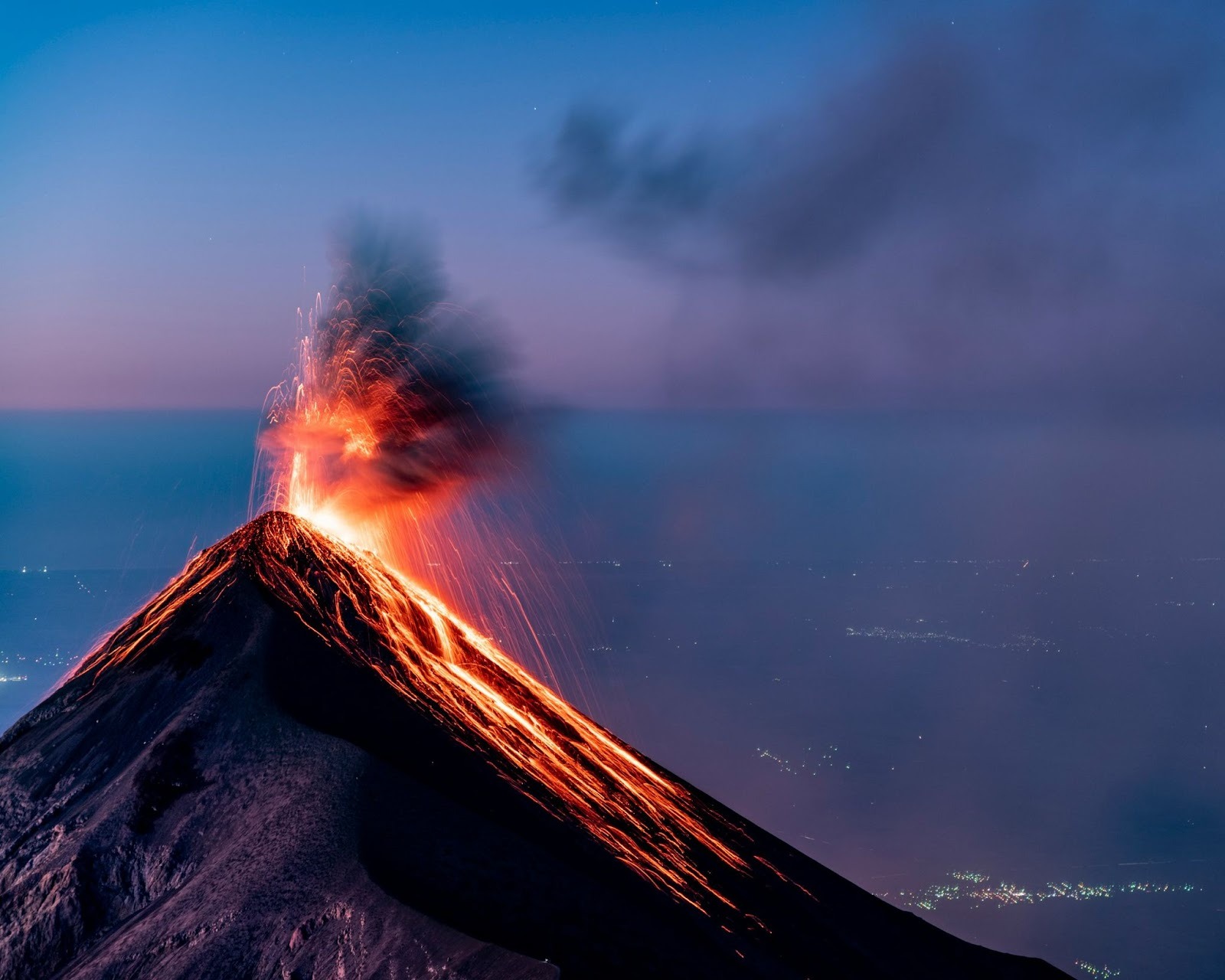
Explosive eruptions can create ash, which can stay around long after an eruption, where it becomes a source of PM10 air pollution for days or weeks. Smaller, more frequent eruptions can result in less ash. Yet, these smaller amounts can still lower air quality for months, harming public health.
Ambient PM10 measurement is essential to protecting humans from natural air pollution sources
Both anthropogenic and naturally occurring PM10 air pollution can harm human health, making it important to monitor and address both types of emissions. Fortunately, with air quality data, communities and governments have the information they need to best protect against PM10 air pollution. Partner with Clarity to implement an air quality monitoring network.