Clarity, Accurate & Scalable Sensing-as-a-ServiceHow it worksHardware
Dust (PM₁₀ ) Module
No items found.

Dust (PM₁₀ ) Module

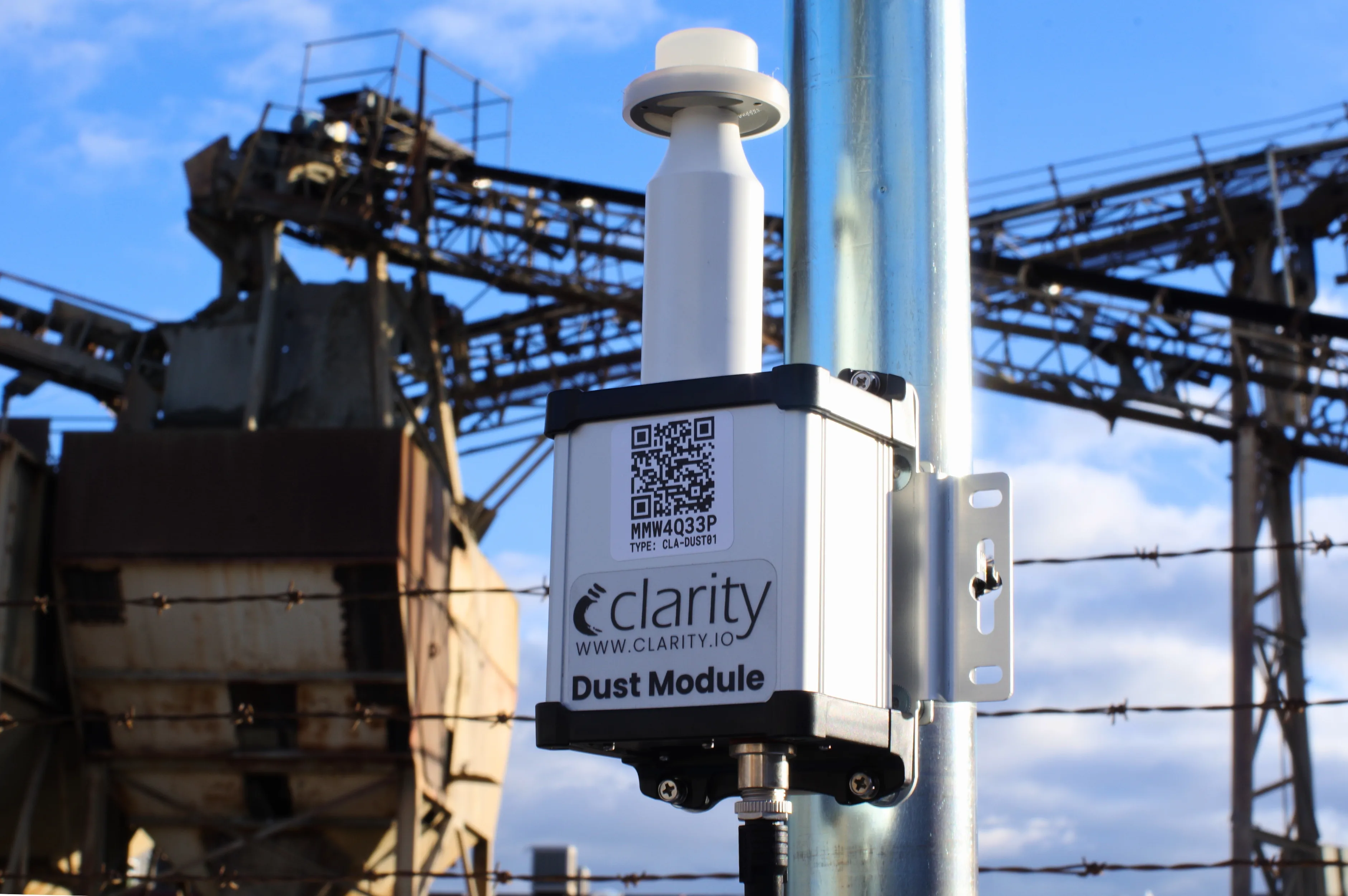
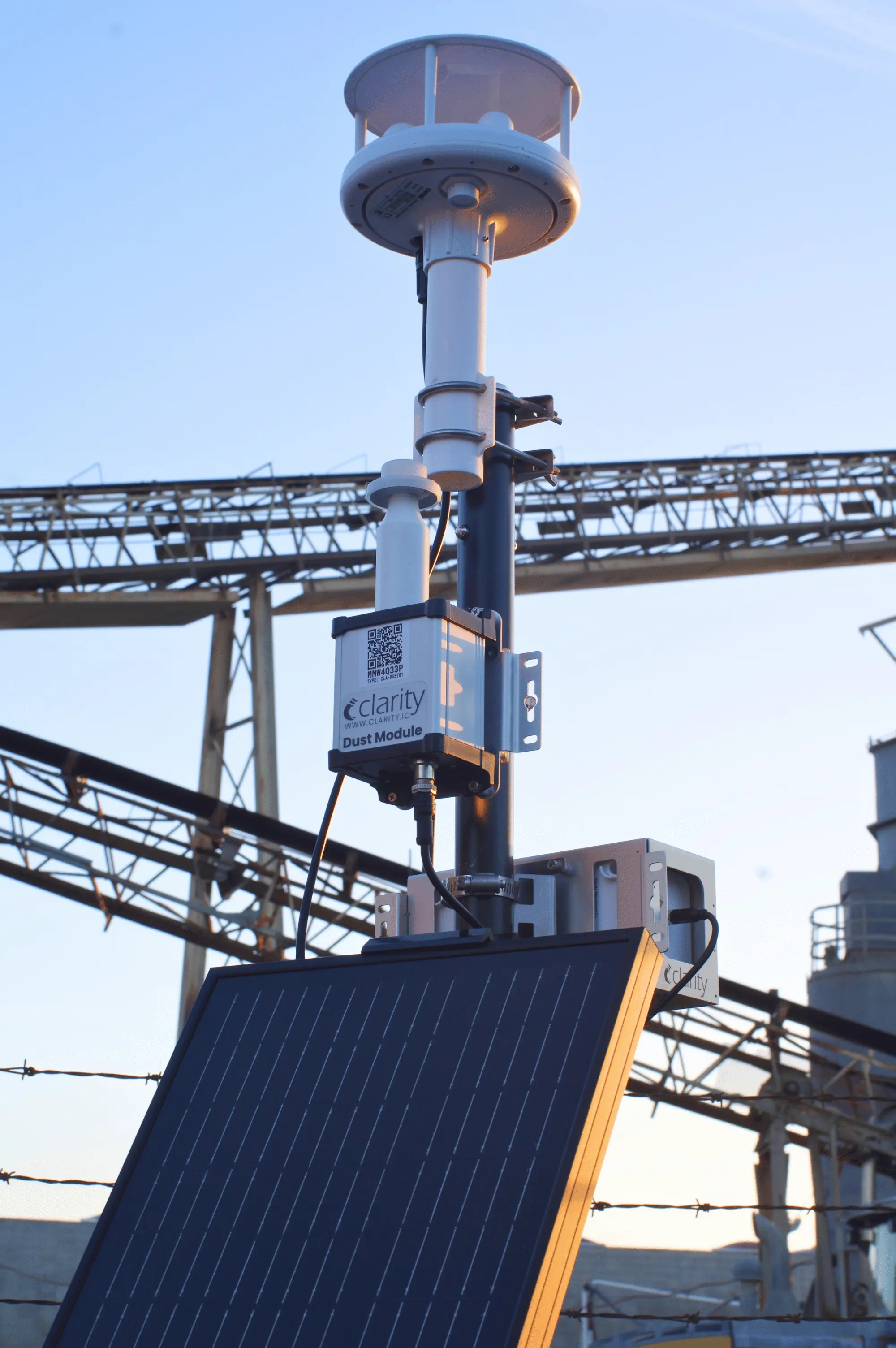
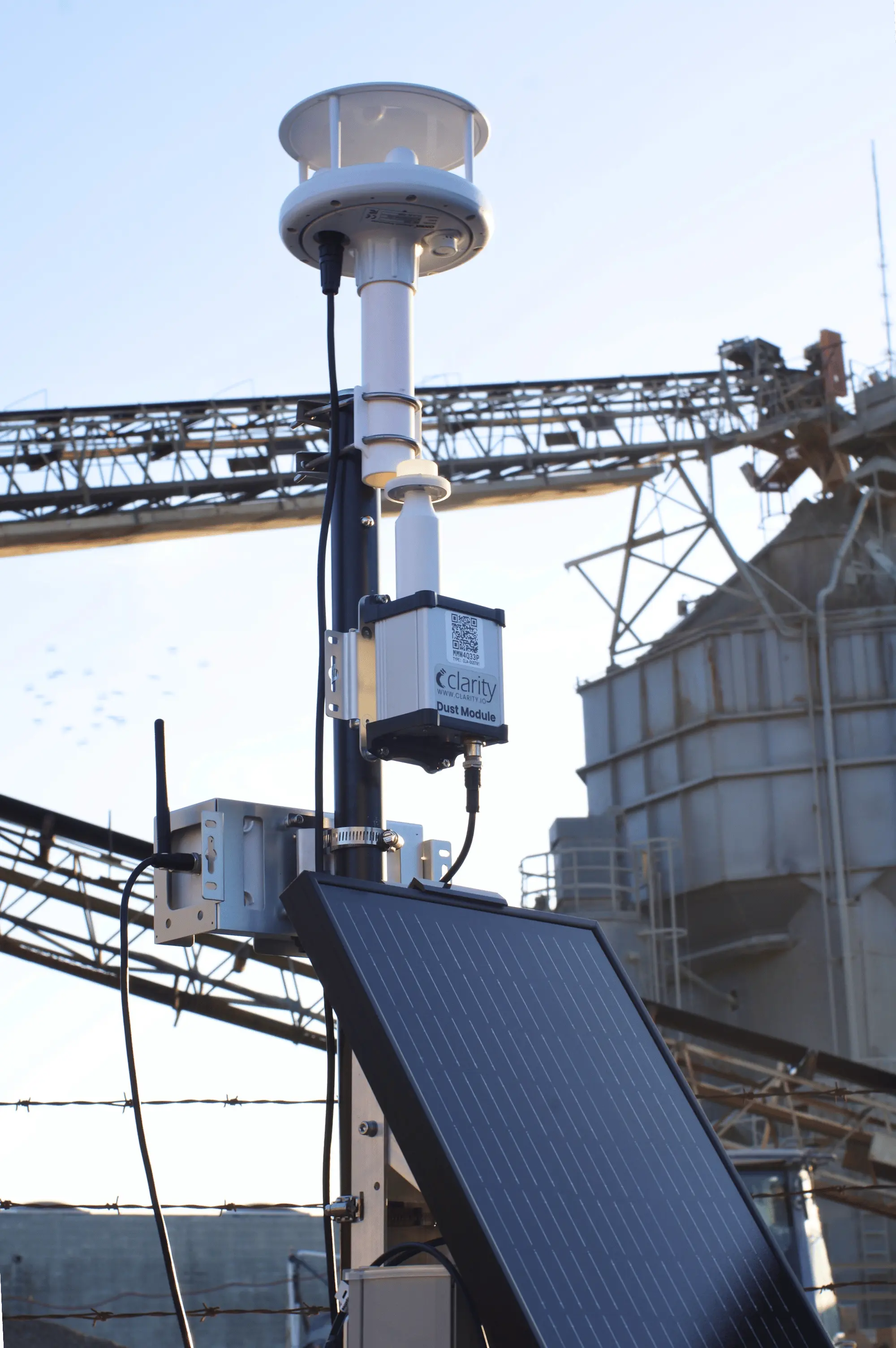
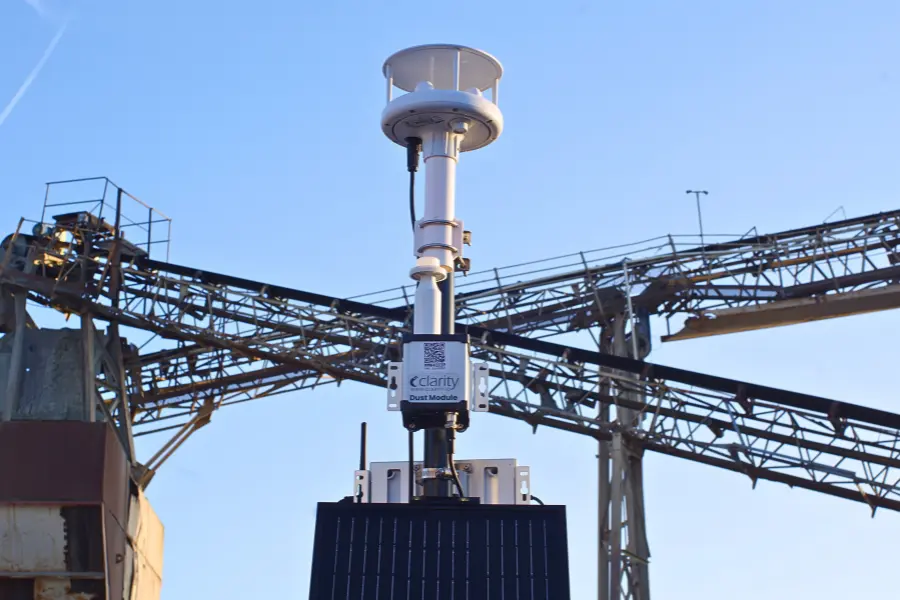
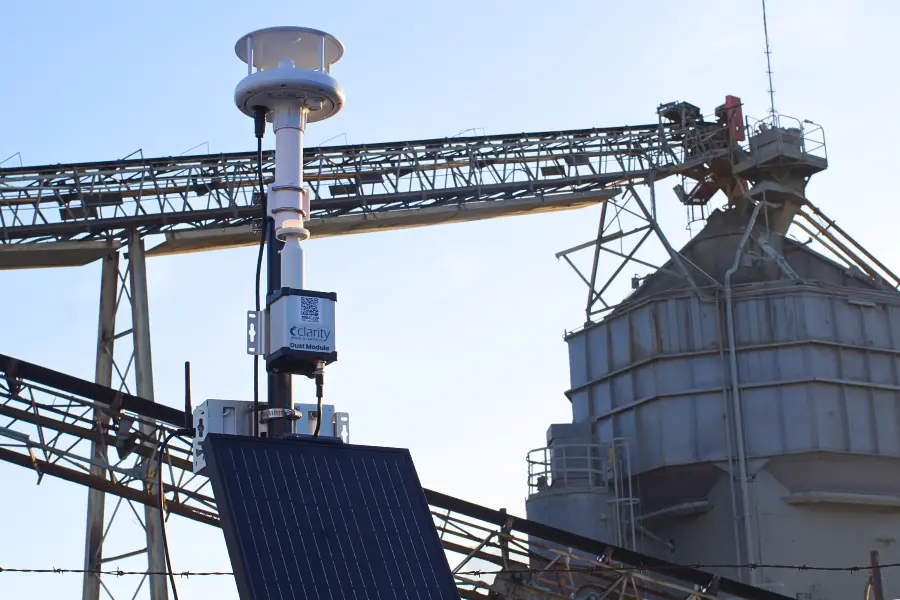
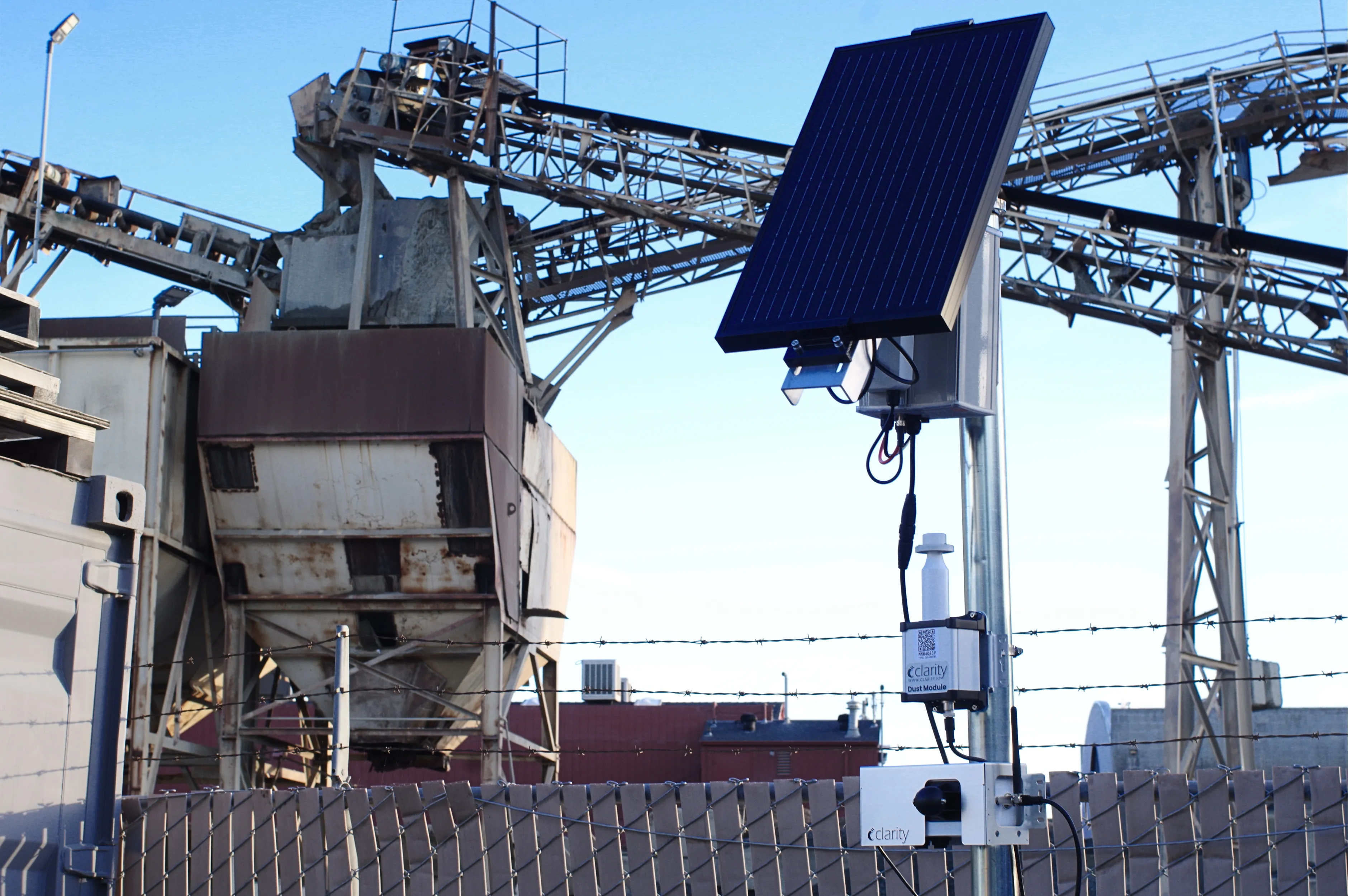
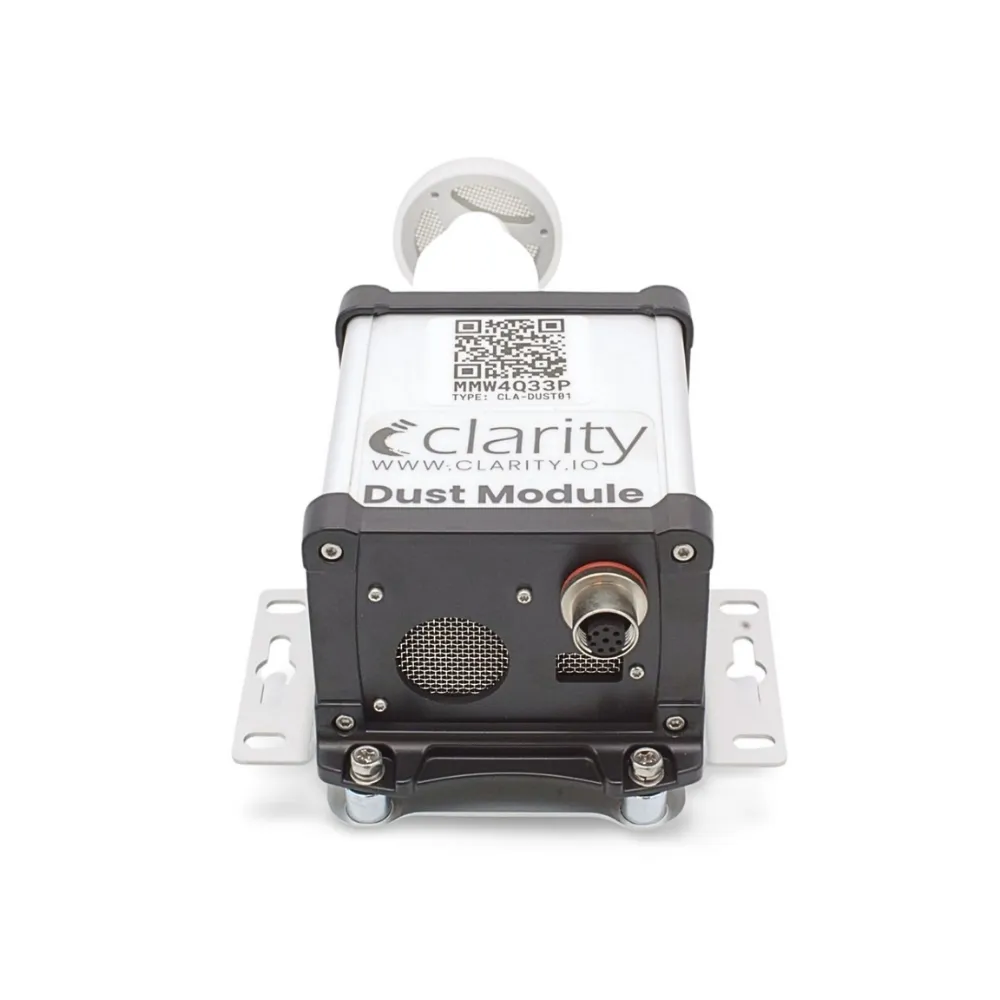
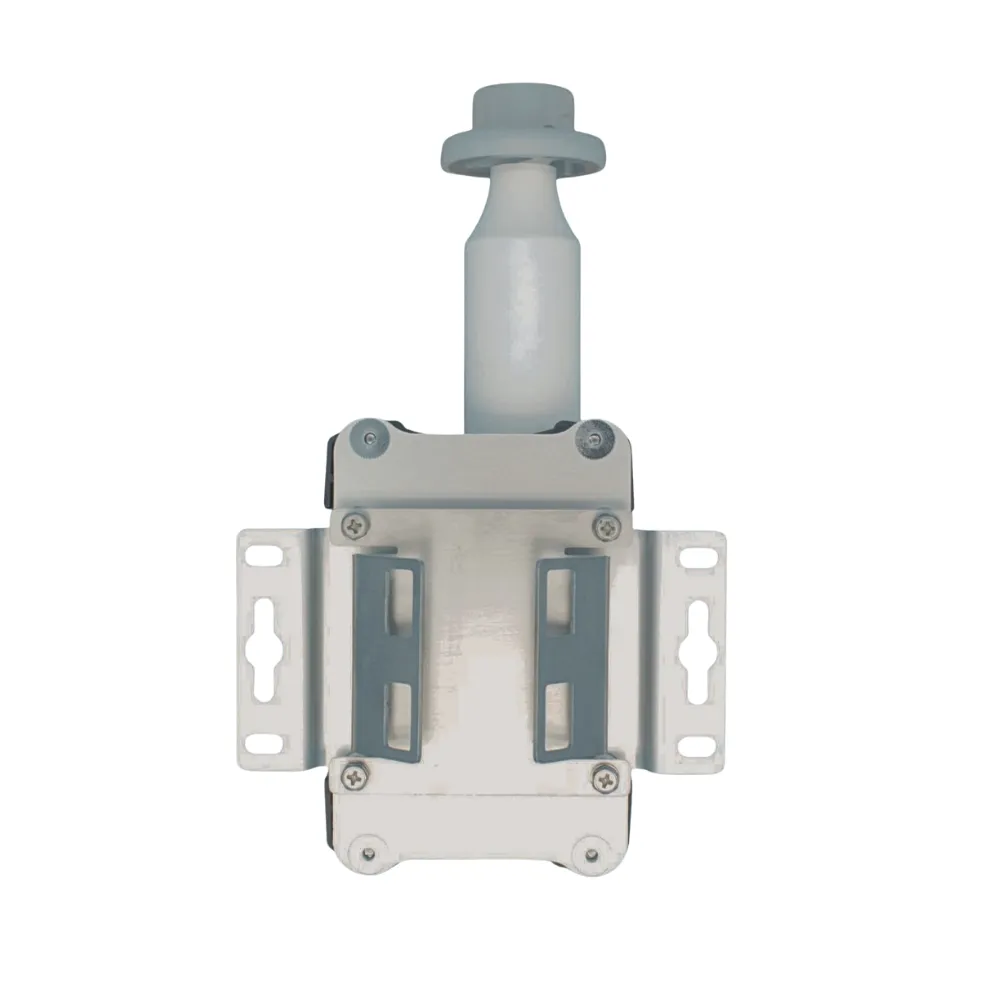
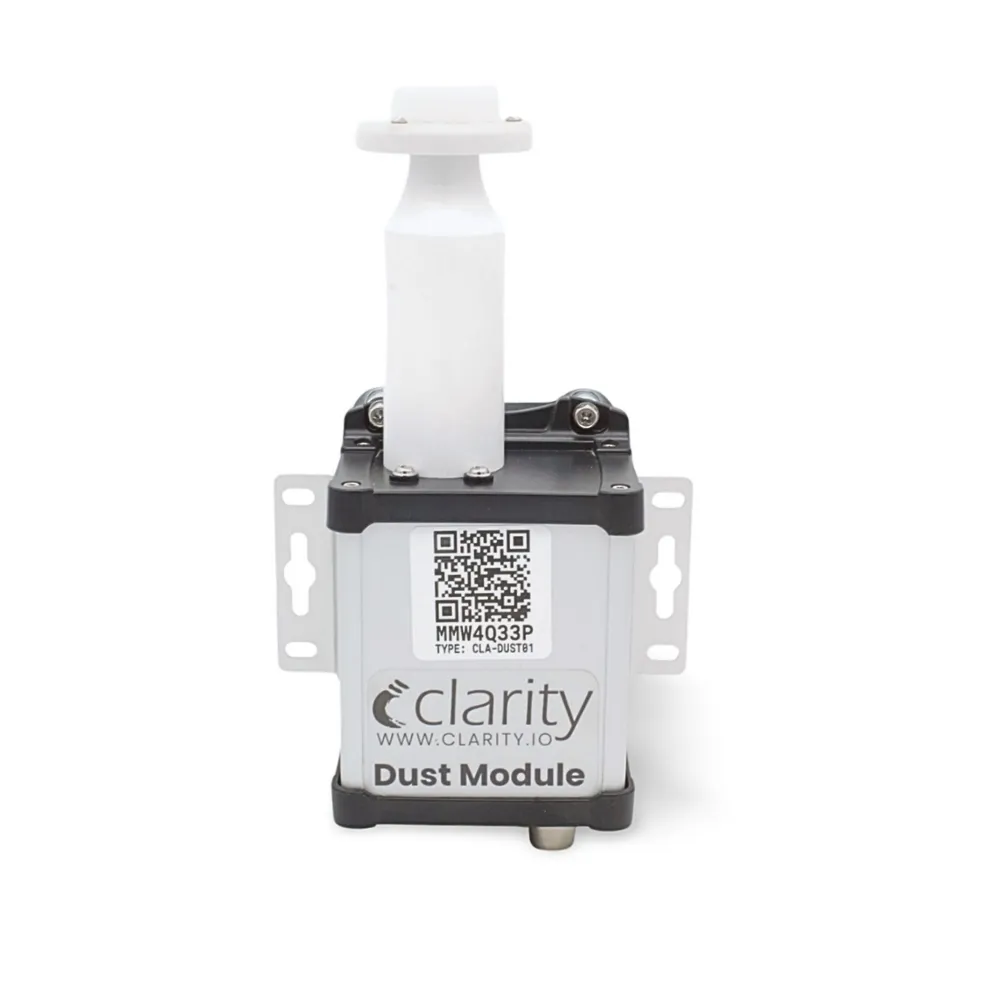
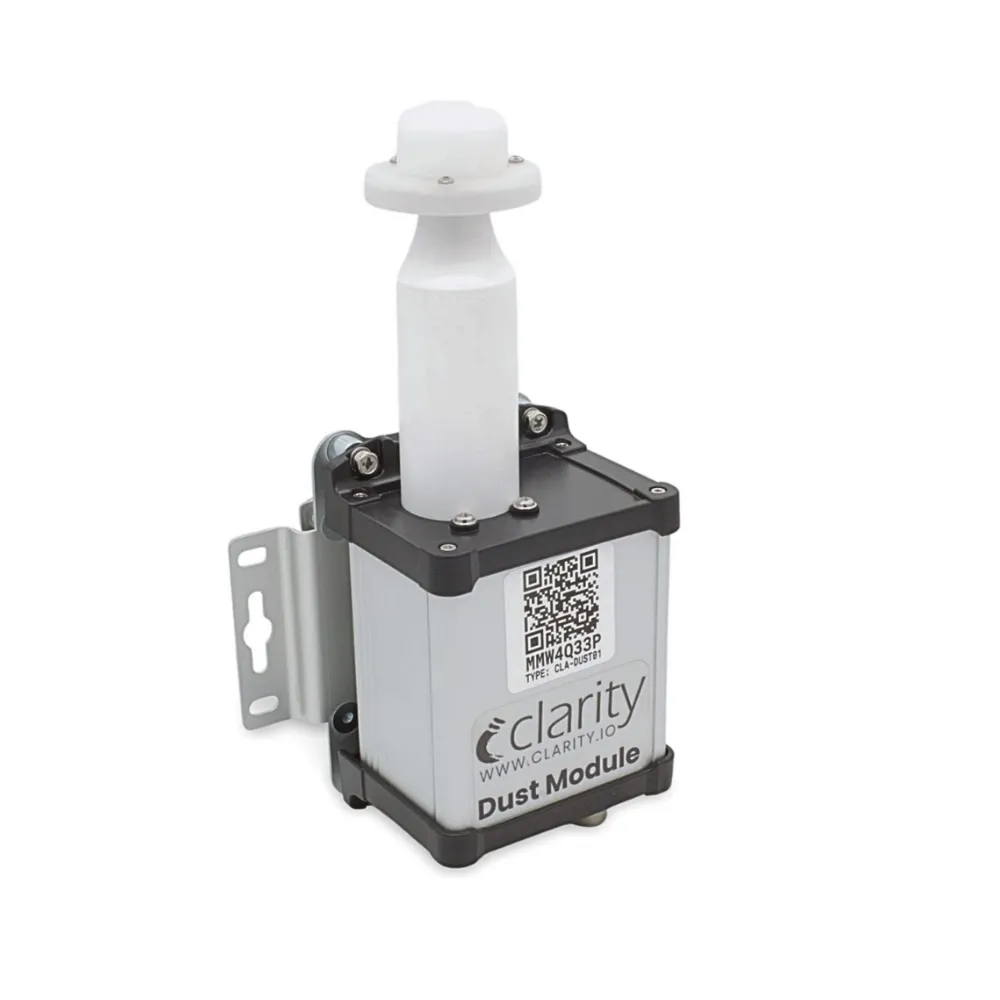
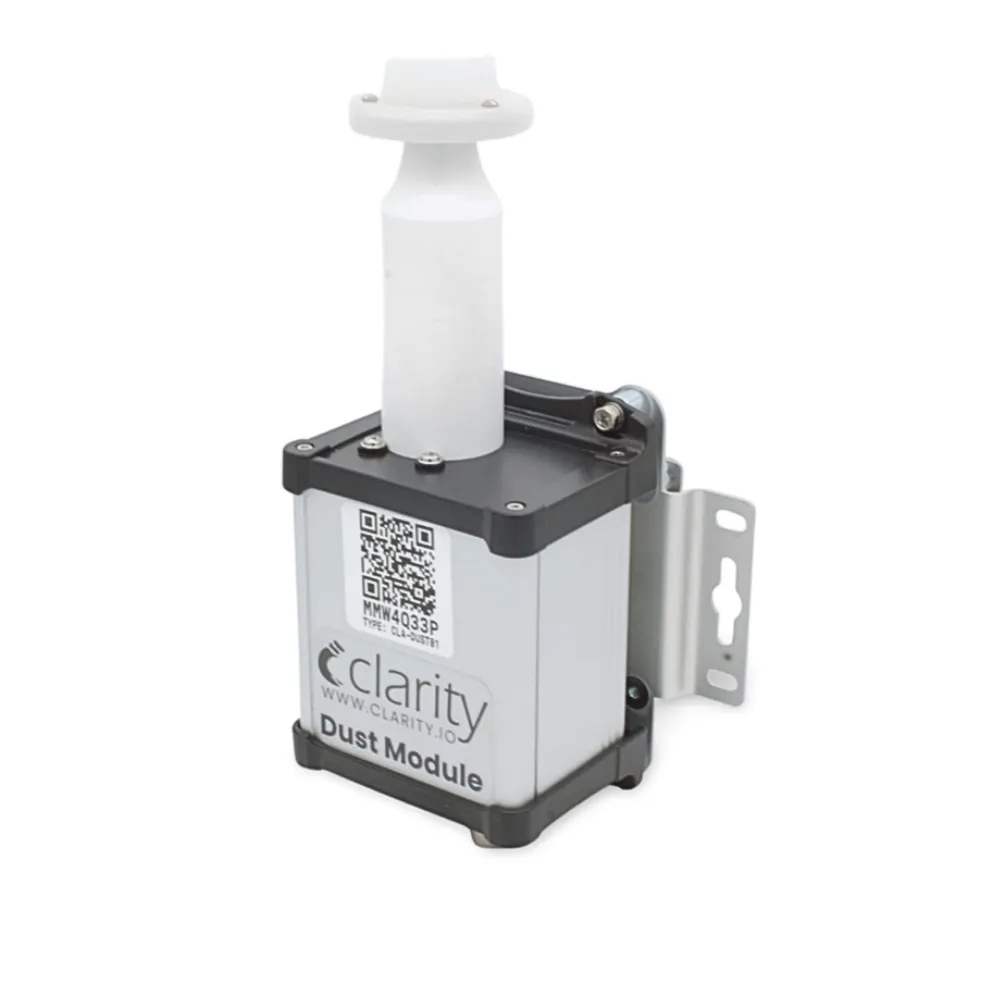
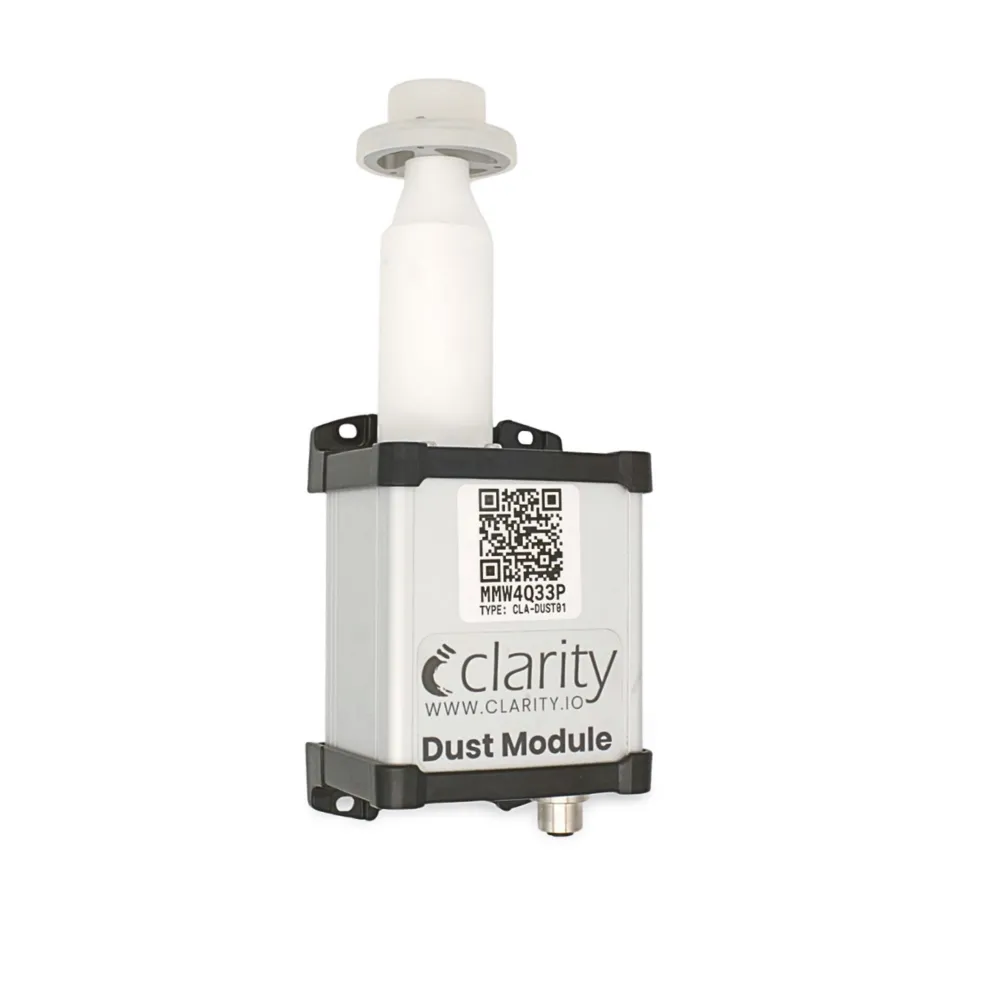
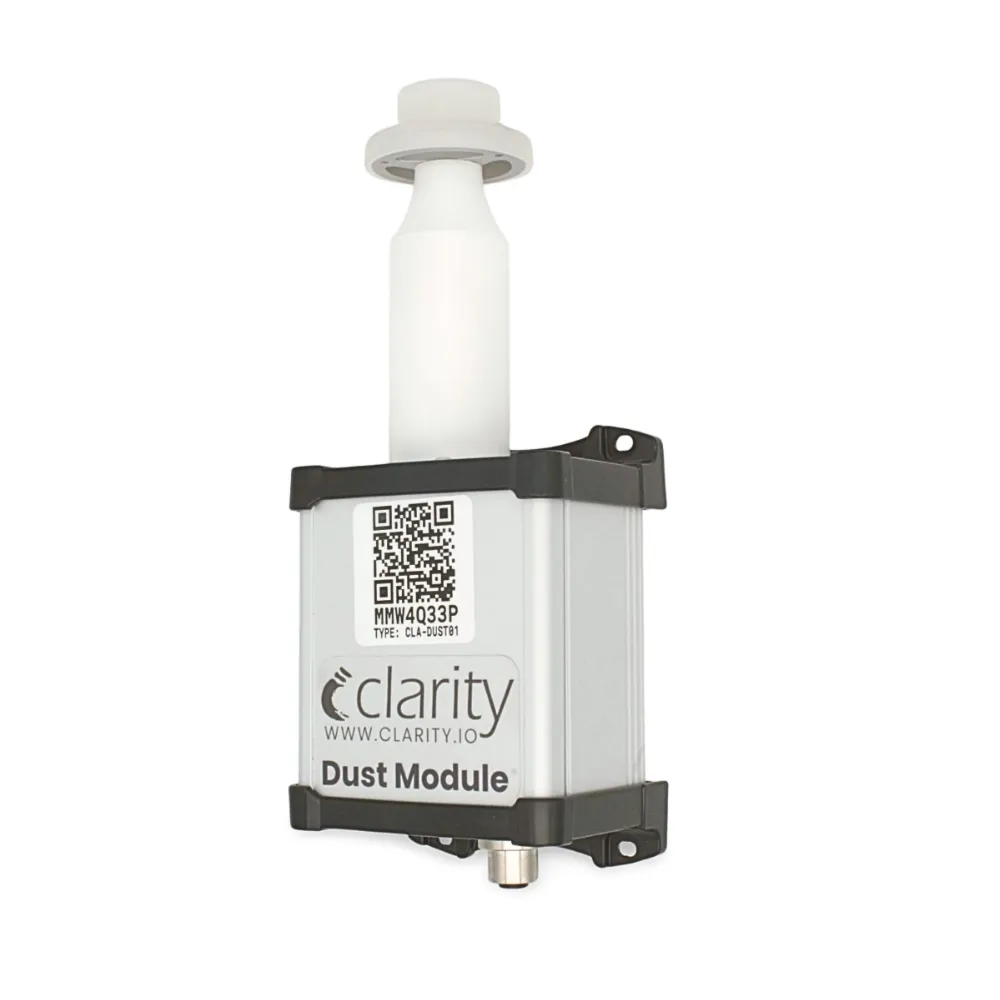
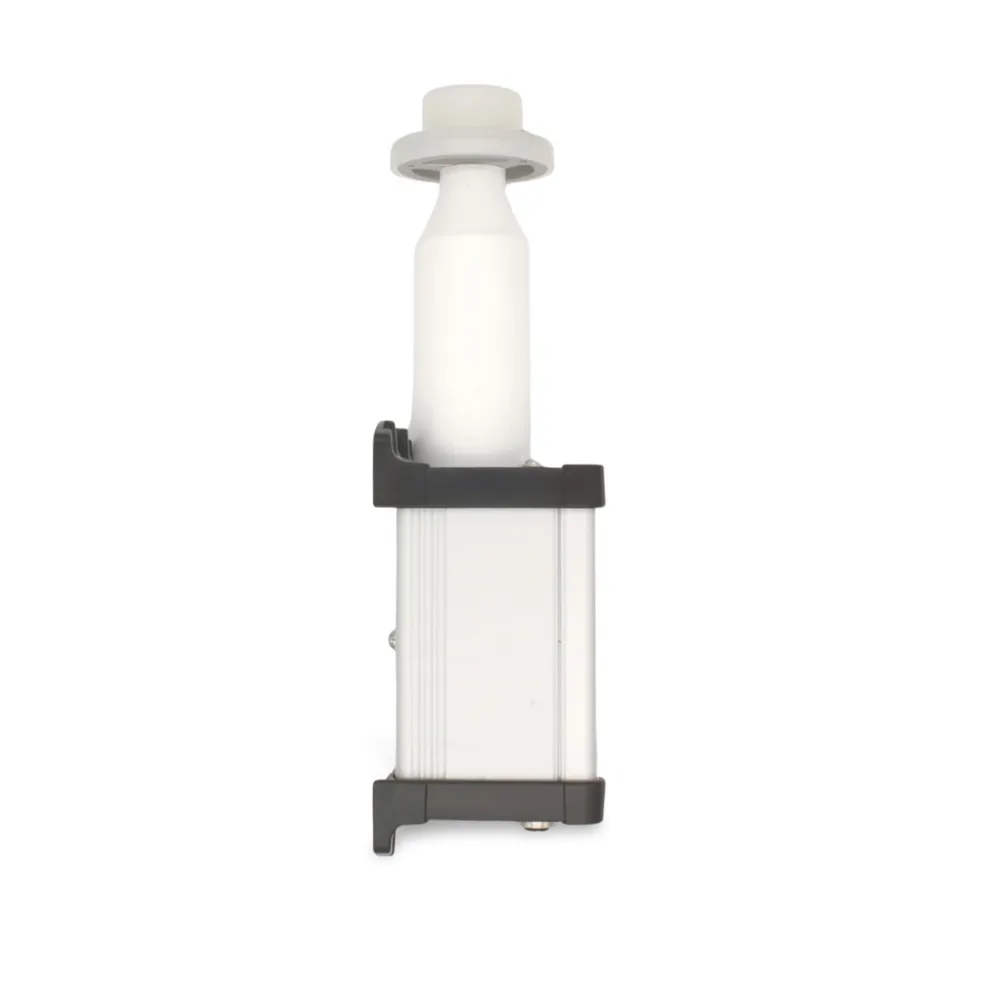
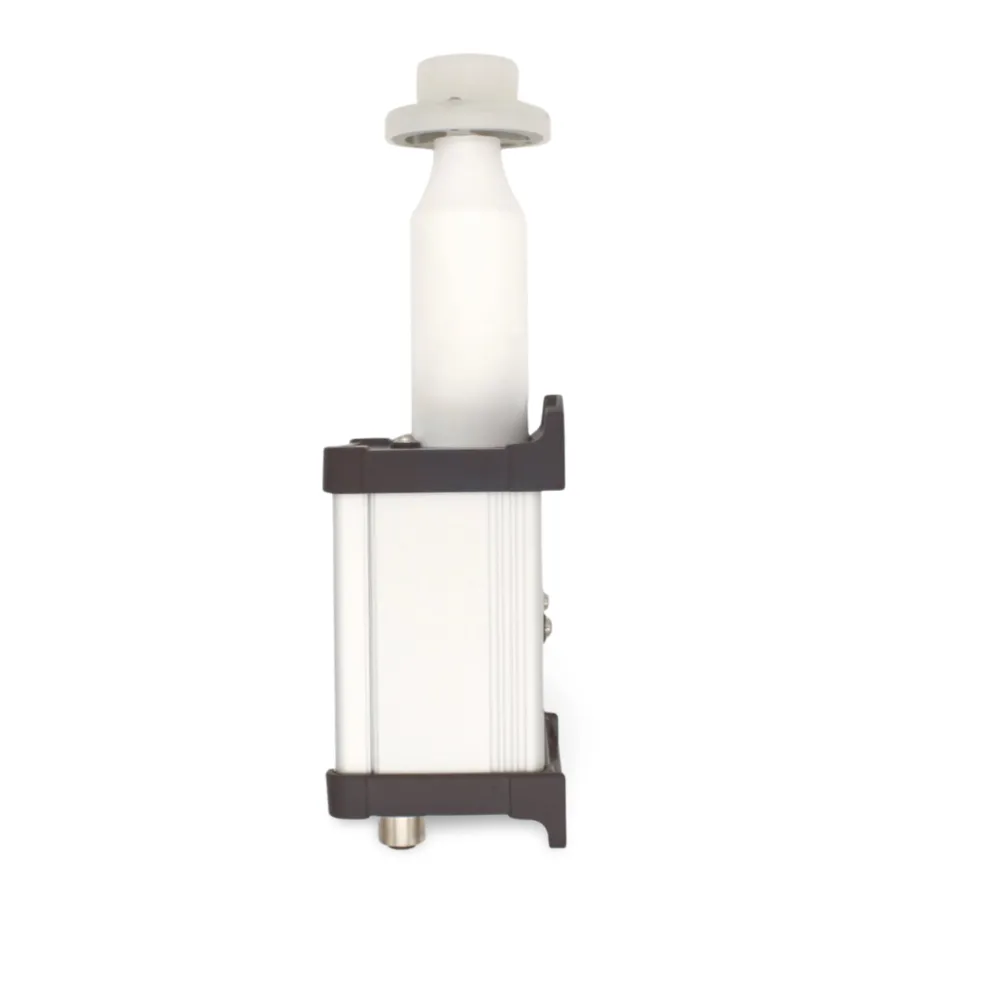
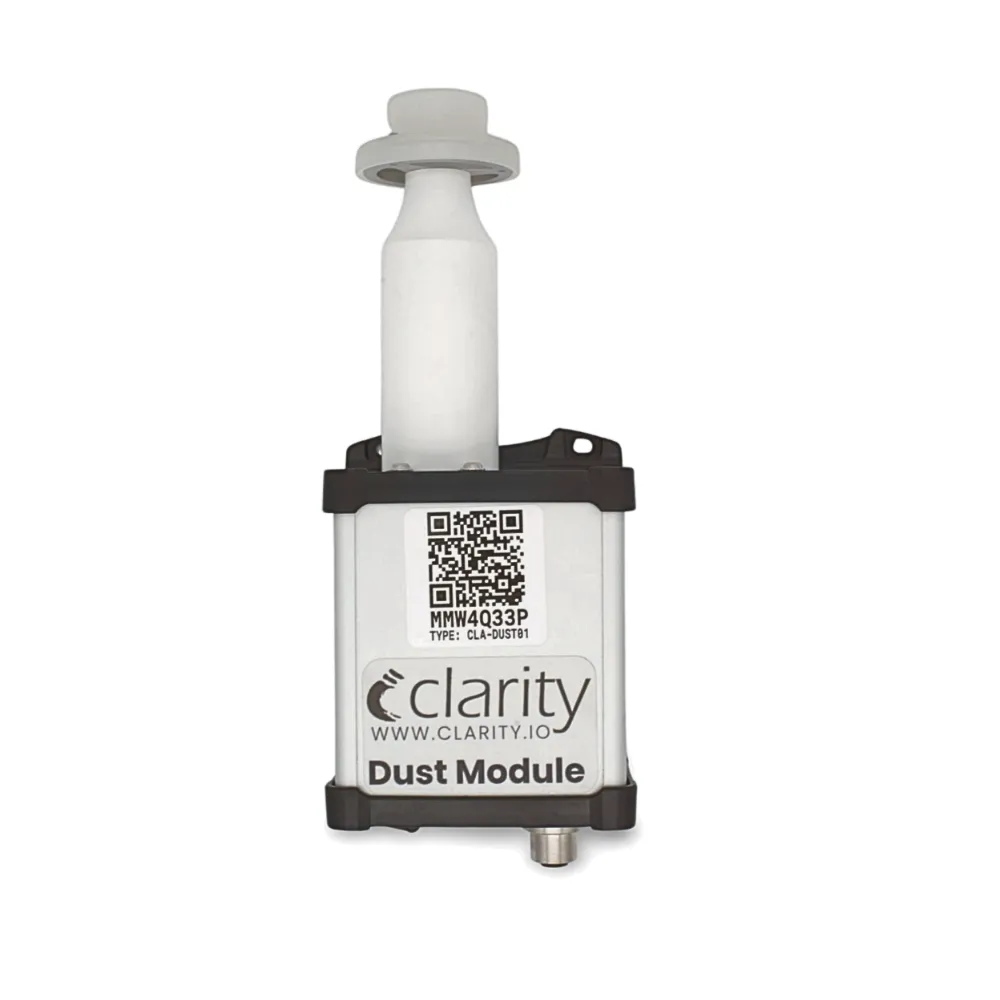
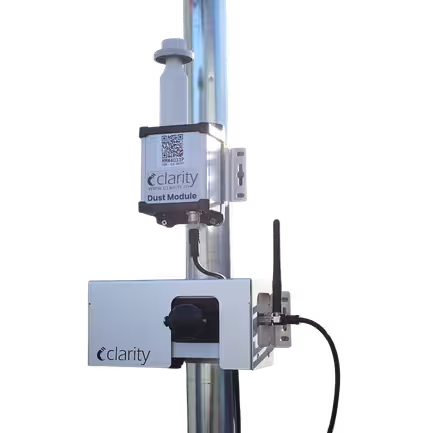
The optionally solar-powered Dust Module delivers precise, near-reference measurement of coarse particulate matter (PM10 ), offering a major leap in accuracy compared to the Plantower and other low-cost sensors. Designed to work seamlessly with the solar and cellular capabilities of the Clarity Node-S, it’s built for the toughest monitoring challenges.

Clarity’s Dust Module + Node-S system is engineered specifically to deliver PM₁₀ measurements that approach reference-grade performance, but at a fraction of the cost, footprint, and complexity of traditional reference monitors.

The Dust Module is also available as part of Clarity’s Dust Measurement Suite, which includes the External Solar Power System, Node-S, and Wind Module. This all-in-one configuration is ideal for remote or off-grid deployments, offering a comprehensive view of local dust conditions with real-time measurements of PM₁₀, wind speed and direction, and environmental conditions—all powered by solar and connected via cellular.

For large outdoor networks that need accurate, continuous PM₁₀ data, the best solution is typically a modern, solar-capable, low-power monitor with a dedicated PM₁₀ inlet, robust humidity control, and cloud-based QA/QC—especially in challenging environments like construction, mining, ports, and industrial sites. Whether tracking dust at fence lines of industrial sites, mines, and construction zones or building trust through real-time community data sharing, the Dust Module helps turn visible dust clouds into measurable data. It’s also a powerful tool for understanding health impacts in regions affected by wildfires, unpaved roads, or natural dust events.

Get a QuoteTechnical Specifications

Accurate air quality measurements with Sensing-as-a-Service℠

Sensing-as-a-Service℠ is built for seamless air quality sensor network deployment, data management, and quality control at any project scale. Whether you're a regulator, private company, researcher, or community group, Sensing-as-a-Service ensures delivery of the high-quality air pollution measurements you need to drive real change.

Hardware

Easily deployed air monitoring devices

Solar-powered Clarity Node-S air quality sensor measures PM2.5 and NO2 and serves as a platform for additional modules that measure Black Carbon, Dust, Multi-Gas, Ozone, and Wind.

Explore our devices
Cloud

Cloud data management & visualization

Air quality measurements and air sensor network status are easily accessible in real-time via Clarity’s user-friendly Dashboard, REST API, and OpenMap.

Learn more about Clarity Cloud
Support

Expert air quality project support

An experienced Environmental Project Manager to help you define a project plan and guide you through Collocation and Calibration of your devices.

Meet our team

Technical Specifications Table

Specification Detail
Measured pollutant PM10 (coarse particulate matter), TSP (total suspended particulate)
Sensing method Optical light-scattering with dedicated heated inlet
Measurement range 0 to 10,000 µg/m³ at 1 µg/m³ resolution
Accuracy class Near-reference-grade; see the collocation results library
Humidity control Heated inlet
Base station Clarity Node-S (plug-and-play)
Power Solar, via a 25 W or 50 W Clarity external solar power system depending on climate
Connectivity Cellular (via Clarity Node-S), SIM and service included
Data delivery Real-time via Dashboard, REST API, and OpenMap
Measurement frequency Default every 15 minutes, up to every minute
QA/QC Cloud-based automated QA/QC plus optional custom calibration, included free of charge
Weatherproofing IPX3 rated, UV resistant
Operating temperature -10 °C to 55 °C (absolute rating -40 °C to 70 °C)
Dimensions and weight 86 × 98 × 64 mm, 0.95 kg
Deployment environments Construction, mining, ports, industrial fencelines, and wildfire zones
Bundle option Dust Measurement Suite (Dust Module + Node-S + Wind Module + solar system)

Dust Module vs. Reference Monitors

Specification Detail
Measured pollutant PM10 (coarse particulate matter), TSP (total suspended particulate)
Sensing method Optical light-scattering with dedicated heated inlet
Measurement range 0 to 10,000 µg/m³ at 1 µg/m³ resolution
Accuracy class Near-reference-grade; see the collocation results library
Humidity control Heated inlet
Base station Clarity Node-S (plug-and-play)
Power Solar, via a 25 W or 50 W Clarity external solar power system depending on climate
Connectivity Cellular (via Clarity Node-S), SIM and service included
Data delivery Real-time via Dashboard, REST API, and OpenMap
Measurement frequency Default every 15 minutes, up to every minute
QA/QC Cloud-based automated QA/QC plus optional custom calibration, included free of charge
Weatherproofing IPX3 rated, UV resistant
Operating temperature -10 °C to 55 °C (absolute rating -40 °C to 70 °C)
Dimensions and weight 86 × 98 × 64 mm, 0.95 kg
Deployment environments Construction, mining, ports, industrial fencelines, and wildfire zones
Bundle option Dust Measurement Suite (Dust Module + Node-S + Wind Module + solar system)

Dust Module vs. Plantower Sensors

Feature Clarity Dust Module Plantower-based sensors
Direct PM10 measurement Yes No, calculated from PM2.5
Humidity control Heated inlet None or passive
Accuracy Near-reference-grade; collocation results available Indicative only
Cloud QA/QC Automated or custom calibrations, handled by Clarity User-managed or none
Solar power Native integration with Clarity solar power options Requires external integration
Cellular connectivity Built-in via the Node-S Requires Wi-Fi or external modem

Collocation Results: Accuracy and performance testing reports for
Dust (PM₁₀ ) Module

No items found.

Frequently Asked Questions

What is the most accurate low-cost PM10 dust monitor for outdoor industrial and construction sites?

Organizations in these industries typically look for near-reference PM₁₀ accuracy without the cost of regulatory-grade instruments. Modern optical PM₁₀ systems with heated inlets—like the Clarity Dust Module—provide far more reliable coarse-particulate measurement than Plantower-based sensors or commodity devices.

Why does PM10 measurement matter for construction, mining, and industrial operations?

PM₁₀ is a regulated pollutant linked to health impacts and community complaints. Some areas have regulations such as SCAQMD Rule 1466, requiring continuous PM10 monitoring to minimize off-site dust from earth-moving activities involving toxic soils. Accurate PM₁₀ monitoring helps companies comply with standards, respond to dust exceedances, reduce liability, and demonstrate environmental stewardship.

Can’t find the resource you need?

Contact Us