56 Node-S
air quality sensors across Accra and Ghana
> 5 million
inhabitants in the Greater Accra Metropolitan Area
1,790
annual preventable deaths if WHO air pollution guidelines are met
.avif)
Breathe Accra brings real-time air quality data to Ghana’s capital, empowering communities and local leaders to tackle air pollution.
Accra, the capital of Ghana, is one of the fastest-growing cities in Africa, with more than 5 million people living in the greater Accra Metropolitan Area. While there are a host of benefits associated with rapid growth, many regions undergoing this type of growth also experience an increase in air pollution. In 2019, roughly 3,000 premature deaths in Accra and 23,792 deaths in Ghana were attributed to air pollution.
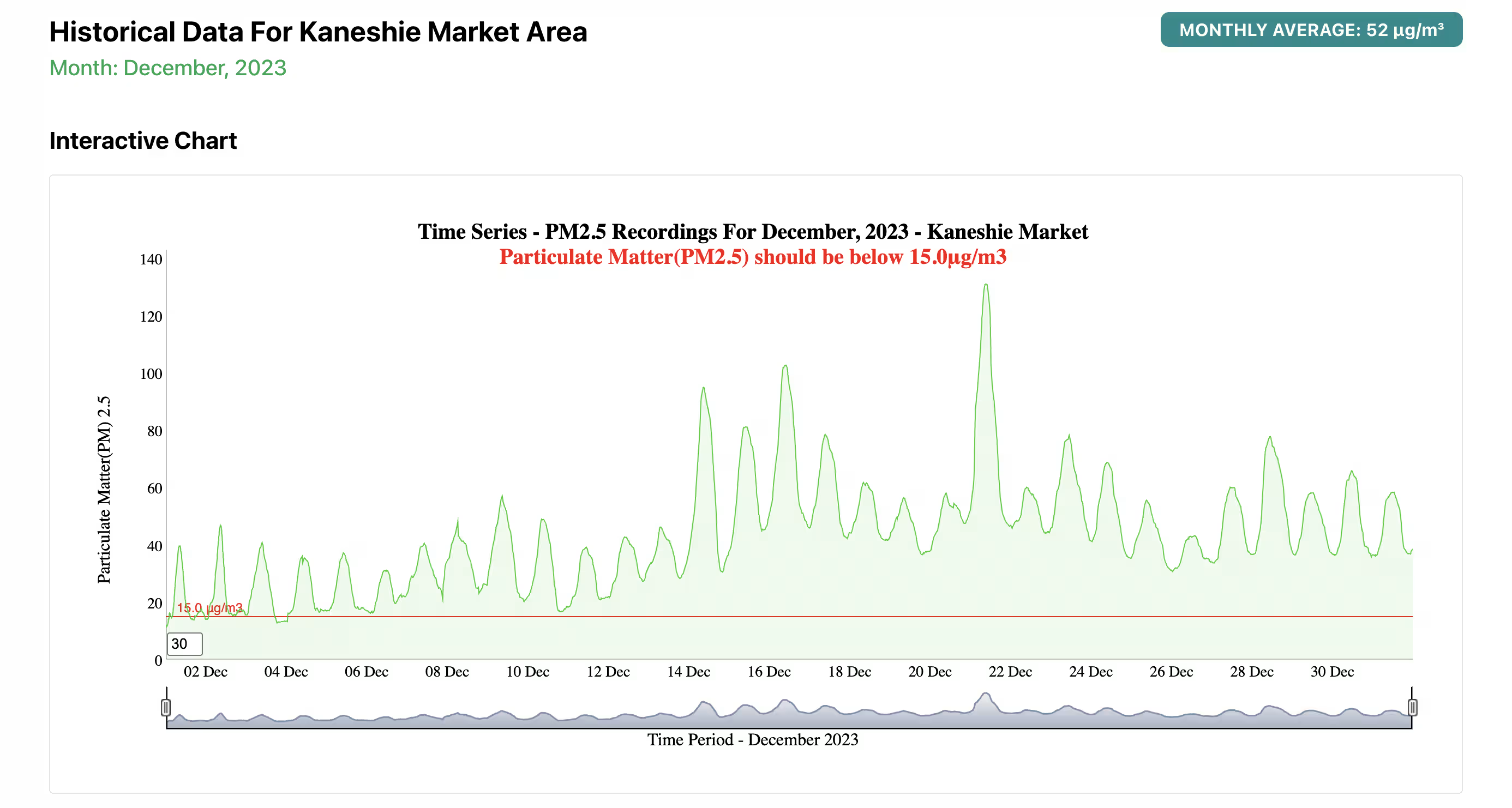
In 2023, the level of harmful airborne particulates in Accra was still 4 times higher than what health experts recommend, with much of the man-made air pollution coming from transportation and waste-burning emissions.
The Breathe Accra project is a community-driven initiative, established with the funding and support of the Clean Air Fund and led by Professor Kofi Amegah’s team at the University of Cape Coast. The project seeks to improve air quality in the Greater Accra Metropolitan Area (GAMA) by making hyperlocal air quality data accessible to the public.
This data will provide a more complete understanding of the city’s air pollution levels, enabling targeted solutions. Breathe Accra is under the Ghana Urban Air Quality (GhanaAQ) mother project, which began in 2019.
Breathe Accra is a part of the Breathe Cities initiative, which aims to reduce air pollution and carbon emissions across participating cities by 30% by 2030. The initiative is delivered not only by the Clean Air Fund but also by C40 cities, a global network of mayors that support city climate action, and Bloomberg Philanthropies. Jakarta, Bangkok, London, and many other cities around the world participate in Breathe Cities to ensure cleaner urban air quality.
Project lead Professor Kofi Amegah at the University of Cape Coast explains that there are three parts to the mission of Breathe Accra:
While the University of Cape Coast (UCC) Department of Biomedical Sciences hosts the Breathe Accra project, this initiative has brought together many different partners in successful collaboration. Some of the primary partners include the municipal assemblies of the GAMA and the health directorates within these beneficiary assemblies.
Other key partners include government agencies such as the Ghana EPA and the Ghana Health Service. All of the stakeholders are united in enacting positive change.
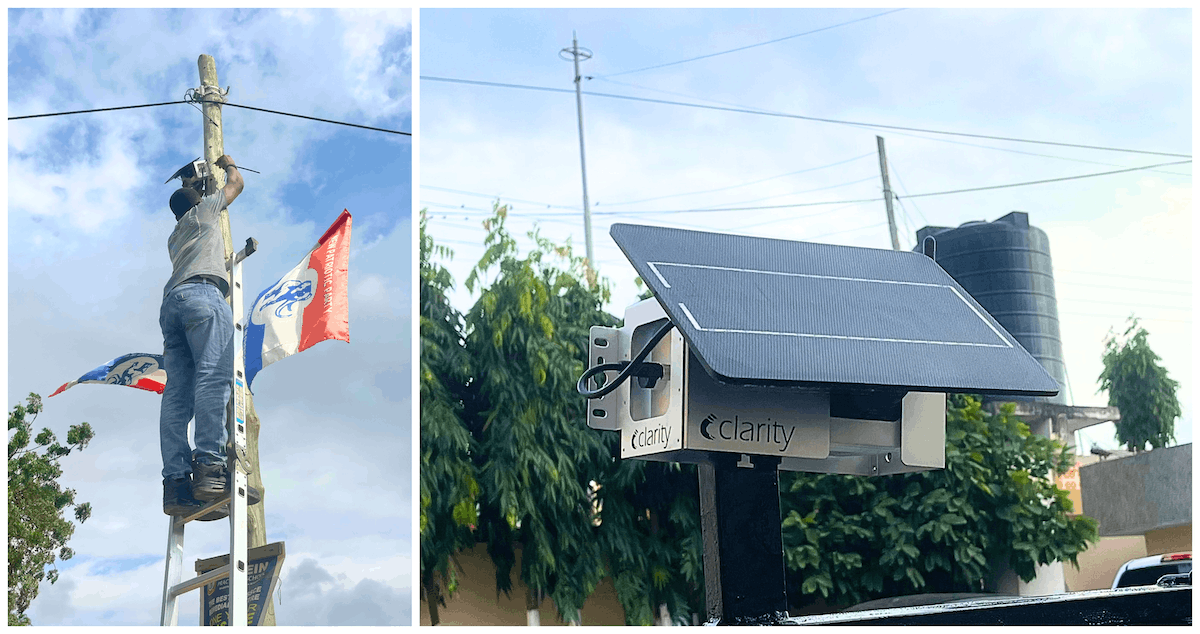
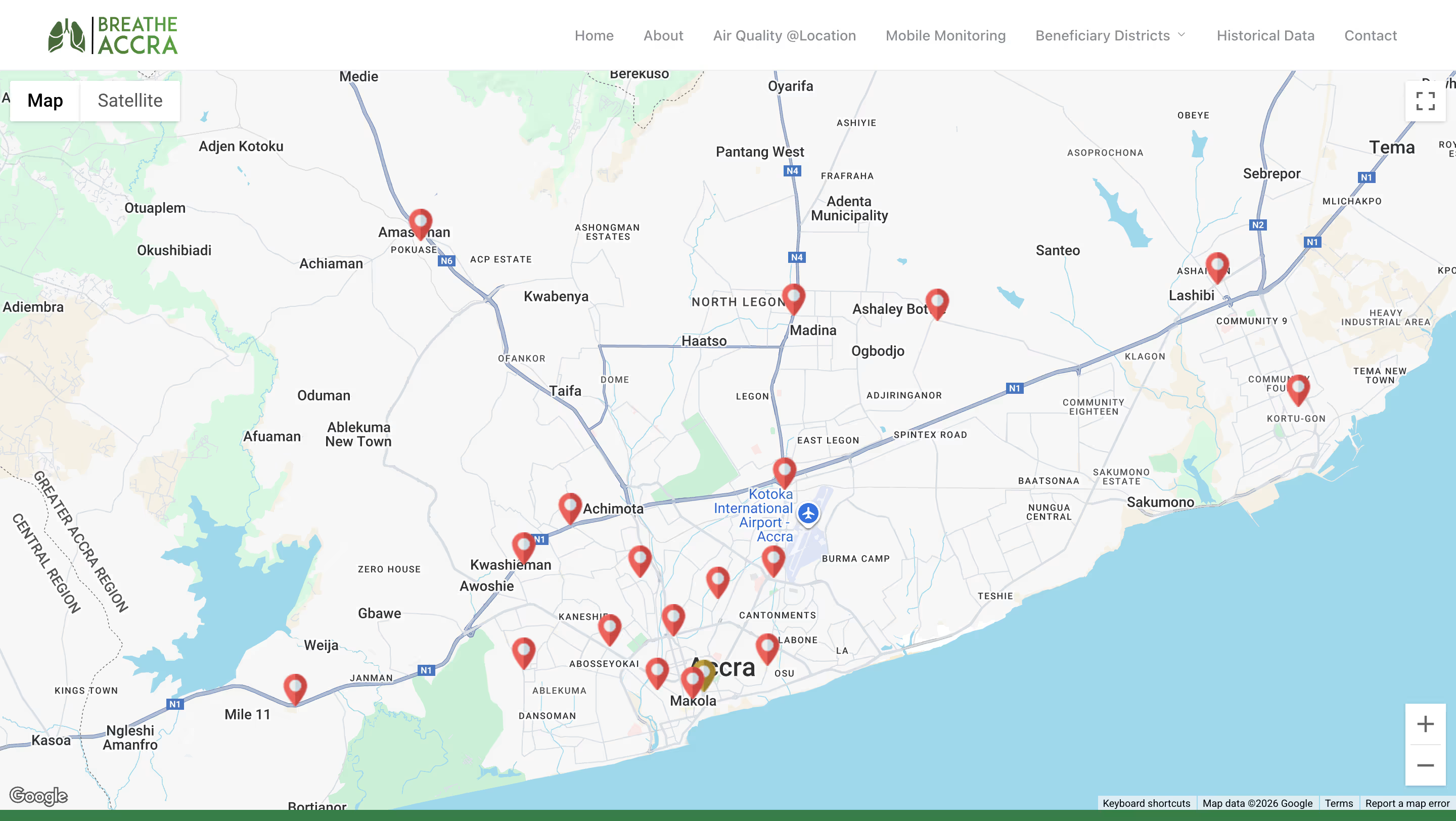
Breathe Accra first implemented an air quality monitoring network in early 2022. Currently, there are 15 Clarity air quality sensors associated with the Breathe Accra network, one for each municipal assembly involved in the project. Under the broader GhanaAQ project, there are 12 additional Clarity air quality monitors in other metropolitan areas across Ghana.
When GhanaAQ first began, they did not exclusively use Clarity sensors. However, they quickly encountered several issues with competing brands, from confusing interfaces to sensor degradation over time.
We found that with air quality sensors, the key is reliability. At the beginning of the project, we bought about 50 air quality sensors from other manufacturers, but unfortunately, all of them have degraded. The Clarity Nodes are the only devices that kept working, so now all of the sensors in our network are Clarity."
— Professor Kofi Amegah, Project Lead
One of the biggest challenges concerned Wi-Fi connectivity. Ghana’s cities do not always have a stable Wi-Fi connection, which was a problem when it came to leveraging Wi-Fi for data telemetry. Finding adequate power supplies for air quality sensors also proved to be difficult.
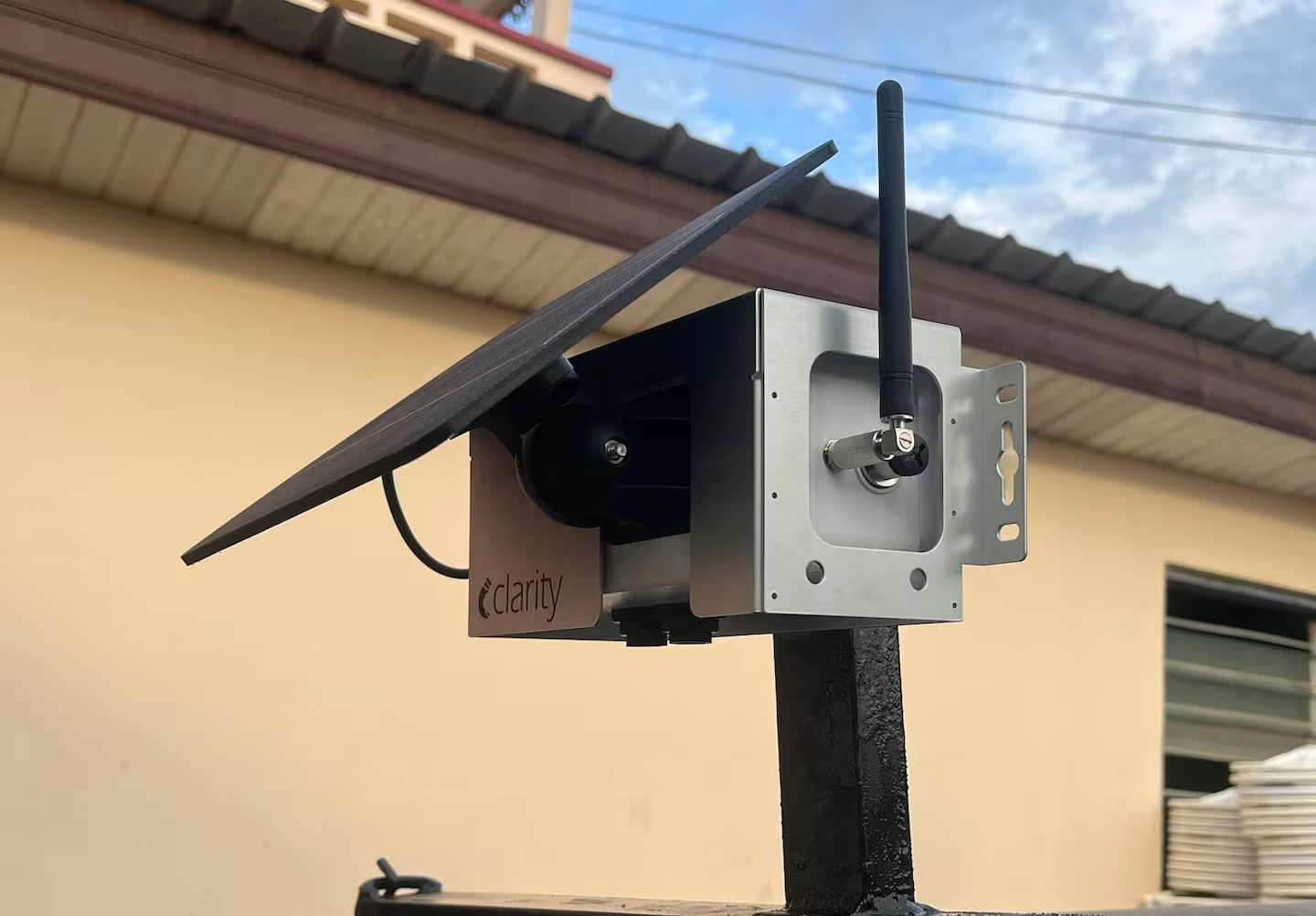
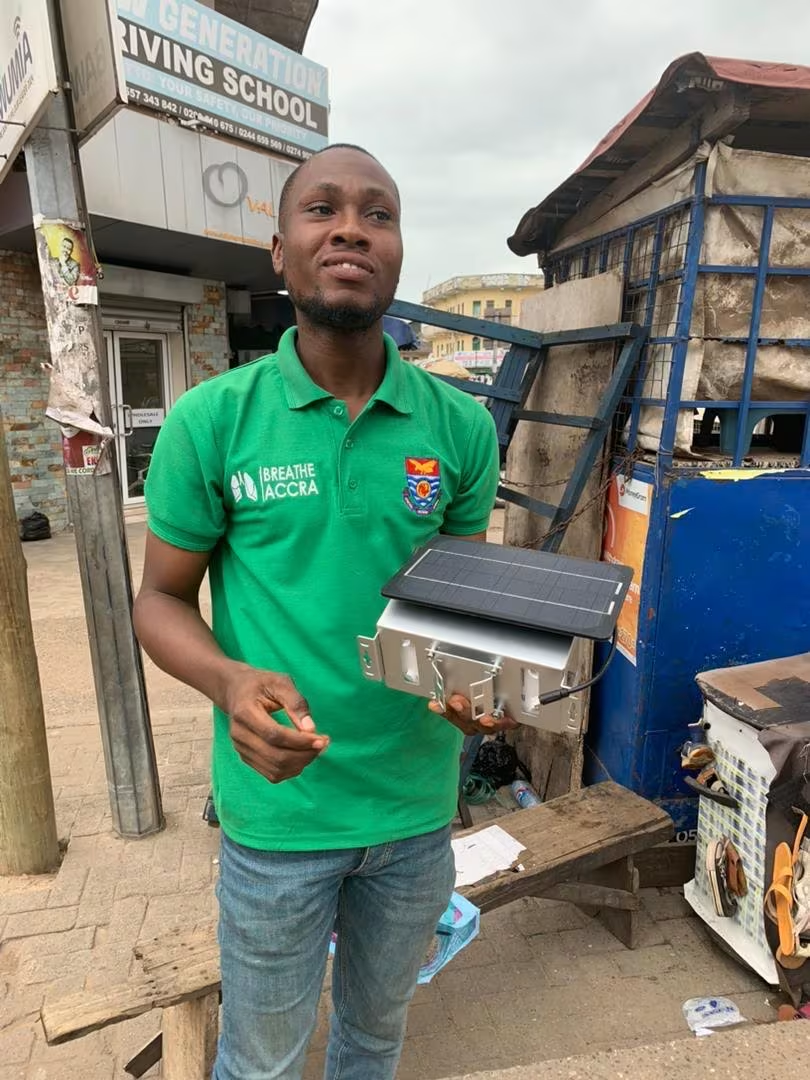
Fortunately, Clarity’s Node-S air quality sensors use solar power and cellular connectivity, eliminating the need for Wi-Fi and an external power supply. This makes them ideal for deployment in Accra and Ghana.
Considering all the air quality sensors that we've used, Clarity is the most promising. We tested three or four types of sensors, and we had a number of challenges with the other sensors. The need for Wi-Fi connectivity was a problem here in Africa — leveraging Wi-Fi for data telemetry was not an option. With Clarity's cellular connectivity, you know that data telemetry is assured. And the Clarity Node-s runs on solar panels, so you don’t need to worry about power."
— Professor Kofi Amegah, Project Lead
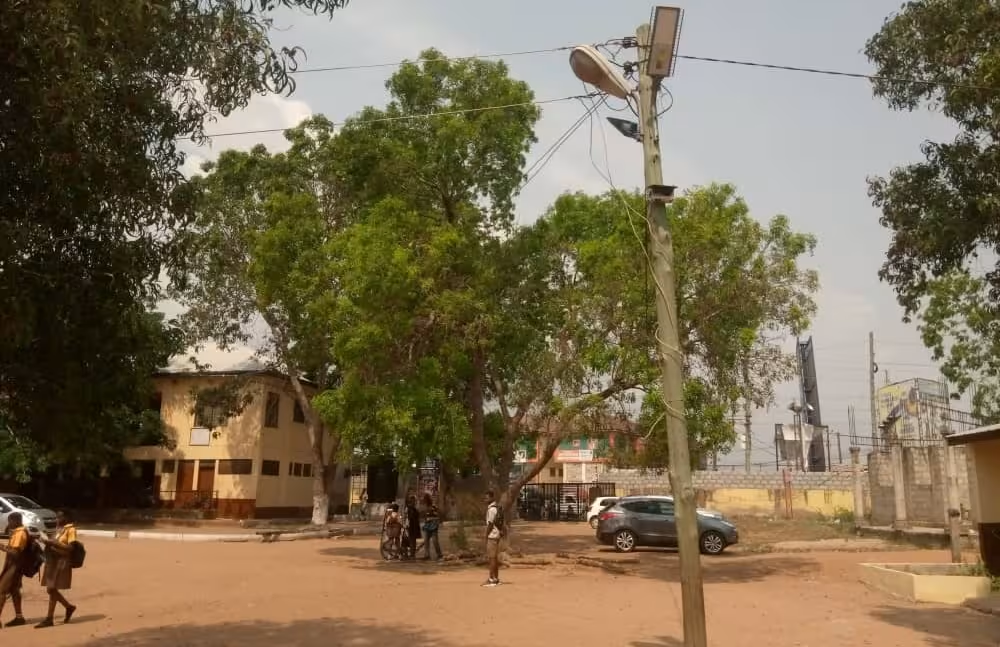
The Breathe Accra initiative tested 3-4 different air quality sensor brands, and came to find that Clarity’s air pollution sensors provide the most reliable real-time PM2.5 measurement with assured data telemetry. Moreover, Clarity sensors are small and effortless to deploy, making them easily scalable across many different locations, as Breathe Accra was attempting to do.
The Node-S is a very small device; the sensors are very compact. This means that the deployment cost and effort are also very, very low. It allows deployment across many locations without the cost and complexity of reference-grade monitors. We've been able to put 15 sensors in Accra with ease, as well as an additional 12 across the country. And we plan to add another 40 to the network in the coming years.”
— Professor Kofi Amegah, Project Lead
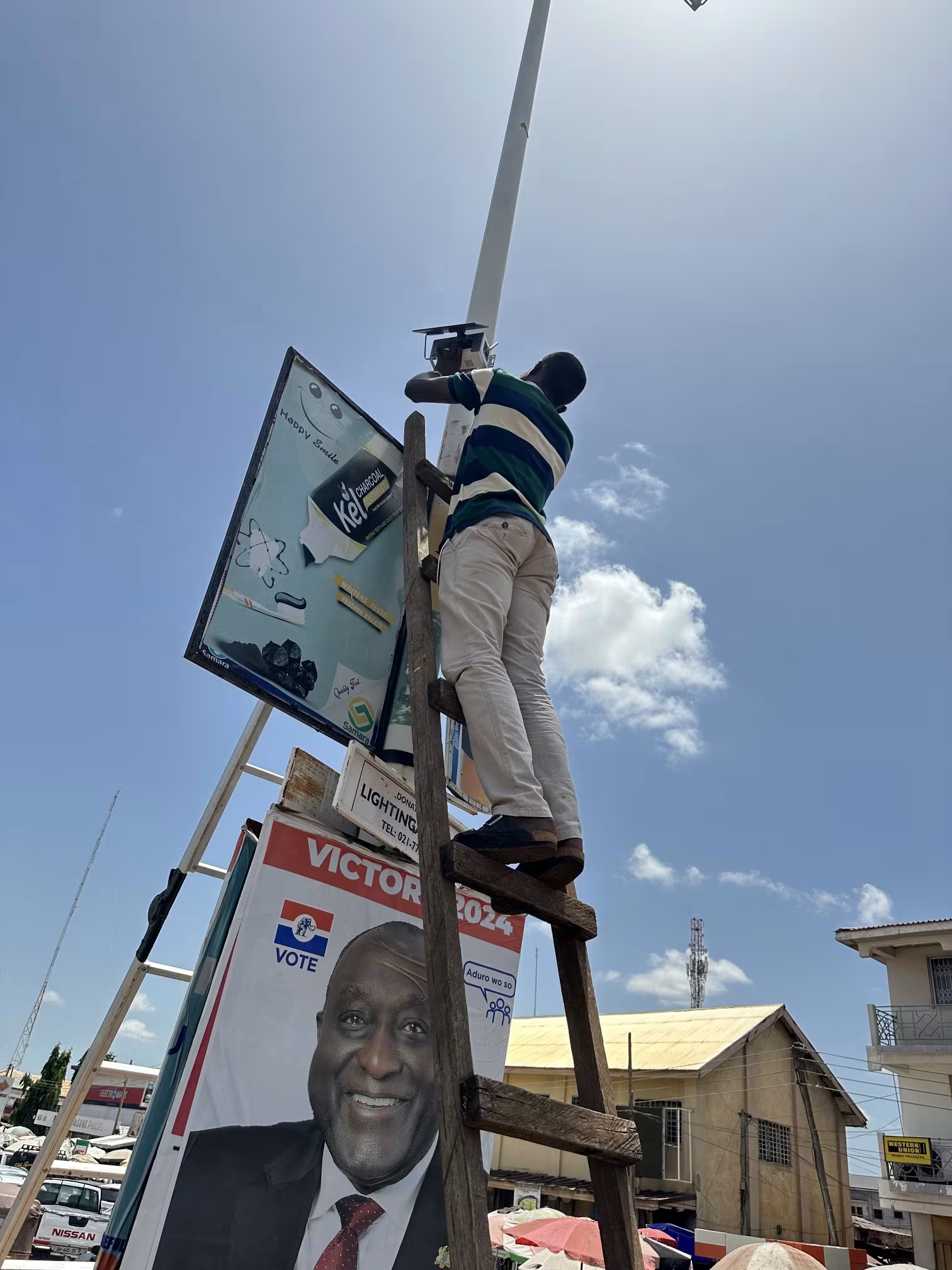
Where other sensors broke down over time, the team at Breathe Accra found the Clarity Node-S to be a much more durable and resilient device. Clarity’s Sensing as a Service model also meant that they could always contact the Clarity team for prompt support and replace any malfunctioning hardware at no extra cost.
With Clarity's Sensing-as-a-Service model, we have a very strong technical backstop. And that is very essential — if we have challenges with a sensor, support is just an email away. The Clarity team is always quick to respond and provide directions, and if the hardware has issues, we are shipped a free replacement device at no additional cost.”
— Professor Kofi Amegah, Project Lead
Another tool the Breathe Accra team found useful was the Clarity Dashboard, which has become an essential part of how the team manages its growing network of sensors. With the Dashboard, they can manage dozens of sensors from a single, centralized interface—an important advantage as they continue to expand their air quality monitoring efforts across Ghana.
The Clarity Dashboard is very useful for managing this network of air quality sensors. I use it to regularly check on the functionality of our sensors, and I appreciate that I get an email with status updates on all our sensors on a weekly basis.”
— Professor Kofi Amegah, Project Lead
As the project lead, Professor Amegah uses the Dashboard to monitor sensor performance across all deployment sites. He emphasized how intuitive the Dashboard is to use, making it easy to check sensor status, confirm data connectivity, and identify any devices that need attention. Weekly status emails also help the team stay ahead of maintenance issues, reducing downtime and ensuring consistent data collection.
Clarity’s API-based data assets enable seamless integration with custom assets, including web applications and mobile applications. This was helpful to the Breathe Accra project, which has its own website, online dashboard, and mobile application to make its air quality sensor data openly available to the public.
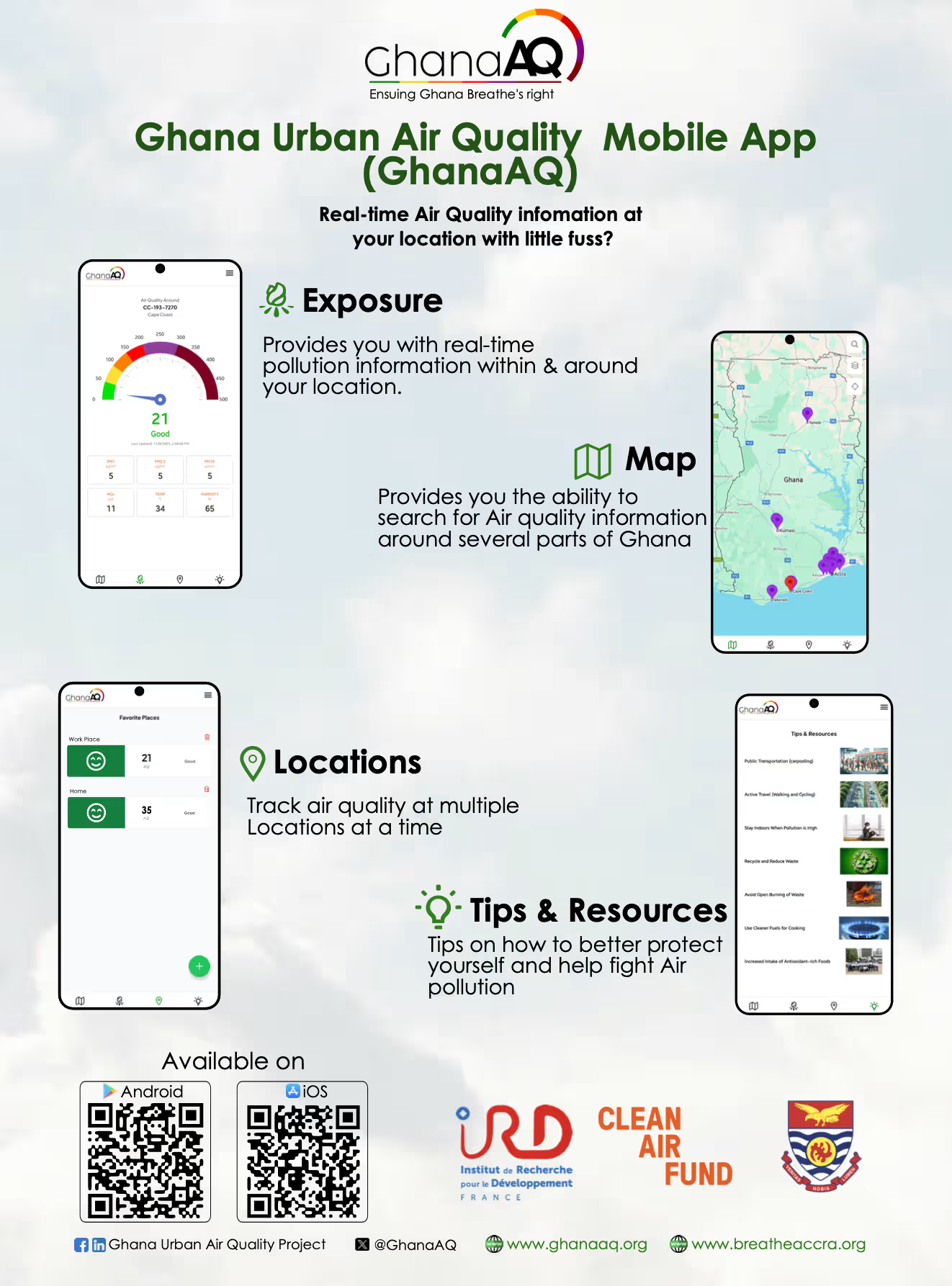
By making air quality data openly accessible to the public, Breathe Accra has helped raise awareness about air pollution issues and create public and policy interest in addressing this pressing problem.
The impact of the project has been great in the sense that we have revolutionized the air quality landscape. The citizenry is now more aware of air pollution issues. We started the mother project in 2019 when not a lot of the population was even interested in air pollution. With Clean Air Fund coming into the landscape and supporting projects like ours, we’ve been able to create more public awareness.”
— Professor Kofi Amegah, Project Lead.
Breathe Accra has helped make municipal assemblies aware of air pollution issues in their respective districts, and sensor measurements are being discussed at assembly meetings. Breathe Accra helps train the beneficiary assemblies on air quality monitoring and building capacities. The project is brought into policy dialogues and dissemination meetings to help further impact through legislation.
In addition to having their own communications and publicity officer, Breathe Accra also gets involved in raising awareness in other ways. The project has assisted with many workshops, such as the one held at ASIC Ghana in 2023, which was aimed at training journalists to put out news items on air quality.
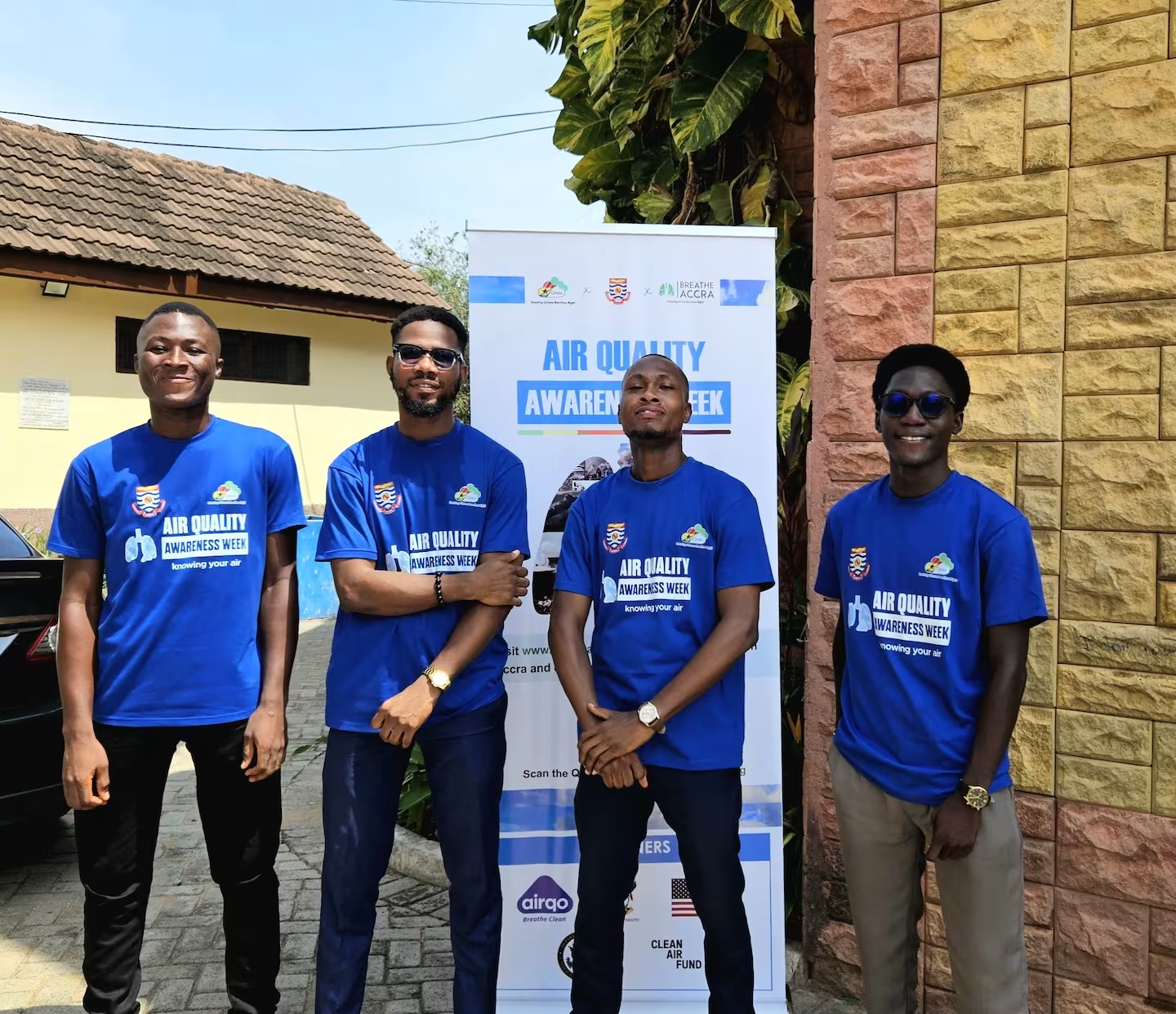
Moreover, initiatives such as the Ghana Think Foundation, which supports social media activists in raising awareness about air pollution, rely on Breathe Accra’s data. Breathe Accra project coordinator Kelvin Yeboah provides the foundation with technical advice on air pollution. Ghana Think Foundation also hosts dozens of ‘Konnect’ meetups across Ghana, where young people like Breathe Accra research assistant Evans Quarshie come to discuss air pollution issues and solutions.
The work of Breathe Accra is far from over. The initiative has plans to enact the next phase of the project, which consists of expanding the air quality monitoring network. The project hopes to deploy 40 more air pollution sensors to deepen monitoring efforts in Accra and complement the previous capacity-building efforts of the project. With a denser monitoring network, the city would be better able to detect air pollution hotspots and tailor mitigation efforts to the areas that most need it.
“The impact has been enormous, and it will continue to be so. We can’t discount the fact that the Clarity sensors have been instrumental to the impact that we are achieving. The sensors are very reliable, and the measurements are continuous.”
— Professor Kofi Amegah, Project Lead.
The project is also gradually working to make sure the district assemblies have the proper budget to manage air quality issues by showing how air pollution needs to be one of the staple topics to address at any legislative meetings.
The initiative’s impact spans beyond Ghana. Breathe Accra has created a blueprint based on their work that can be shared with other cities on the continent so that this successful air quality monitoring project can be replicated, spreading air pollution awareness and mitigation to other cities across Africa.
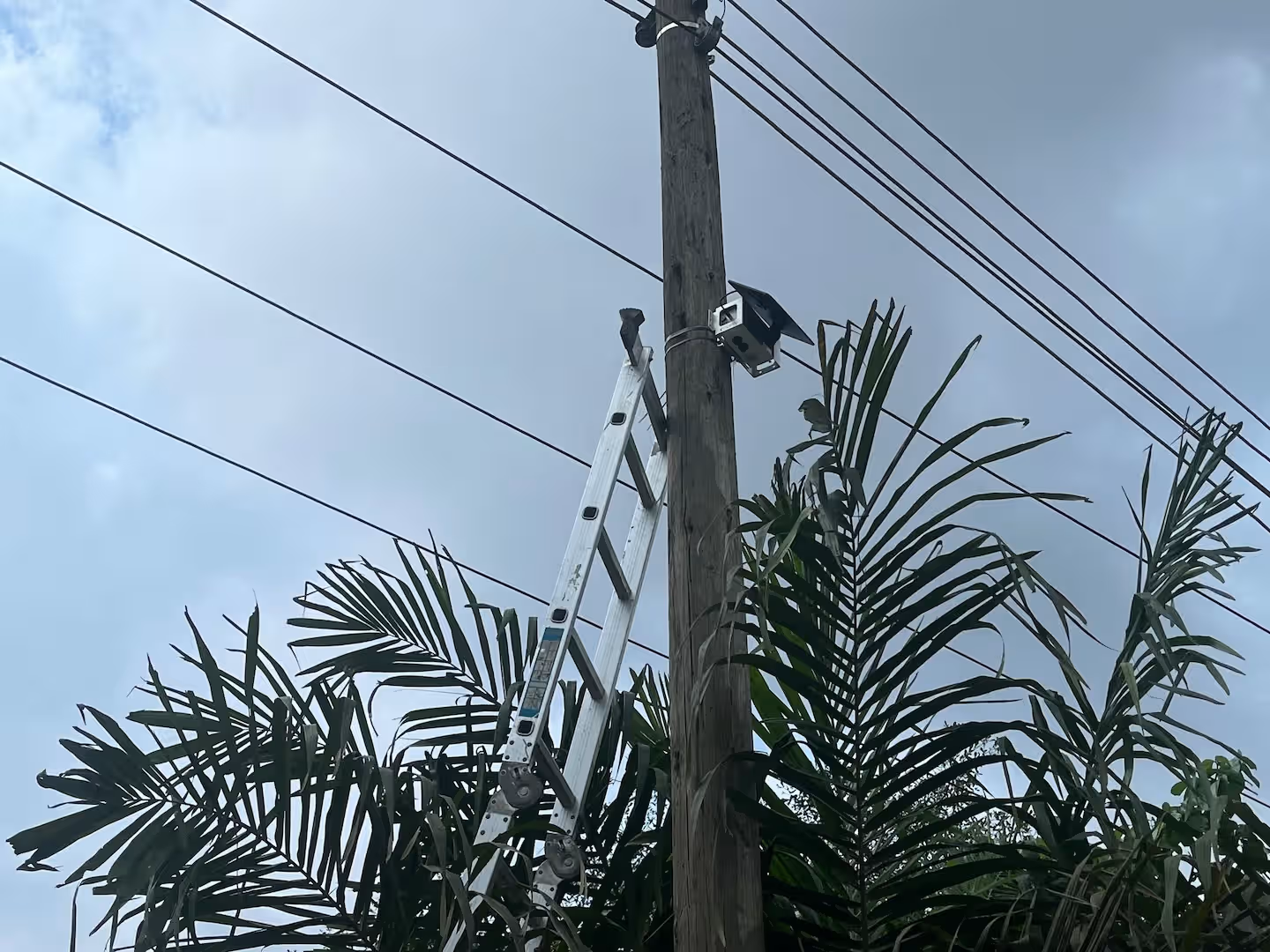
With robust air quality monitoring and widespread collaboration, Breathe Accra has inspired the Greater Accra Metropolitan area to address air pollution. It has started a ripple effect that may spread to other cities across the continent and world, helping to ensure that people everywhere have the right to breathe clean air. Kudos to Professor Amegah and the entire Breathe Accra team for their leadership!
Breathe Accra brought real-time data to over five million residents of Ghana's capital. Explore another air quality case study from a city tackling pollution.