Mining and Metals
Article
April 9, 2026
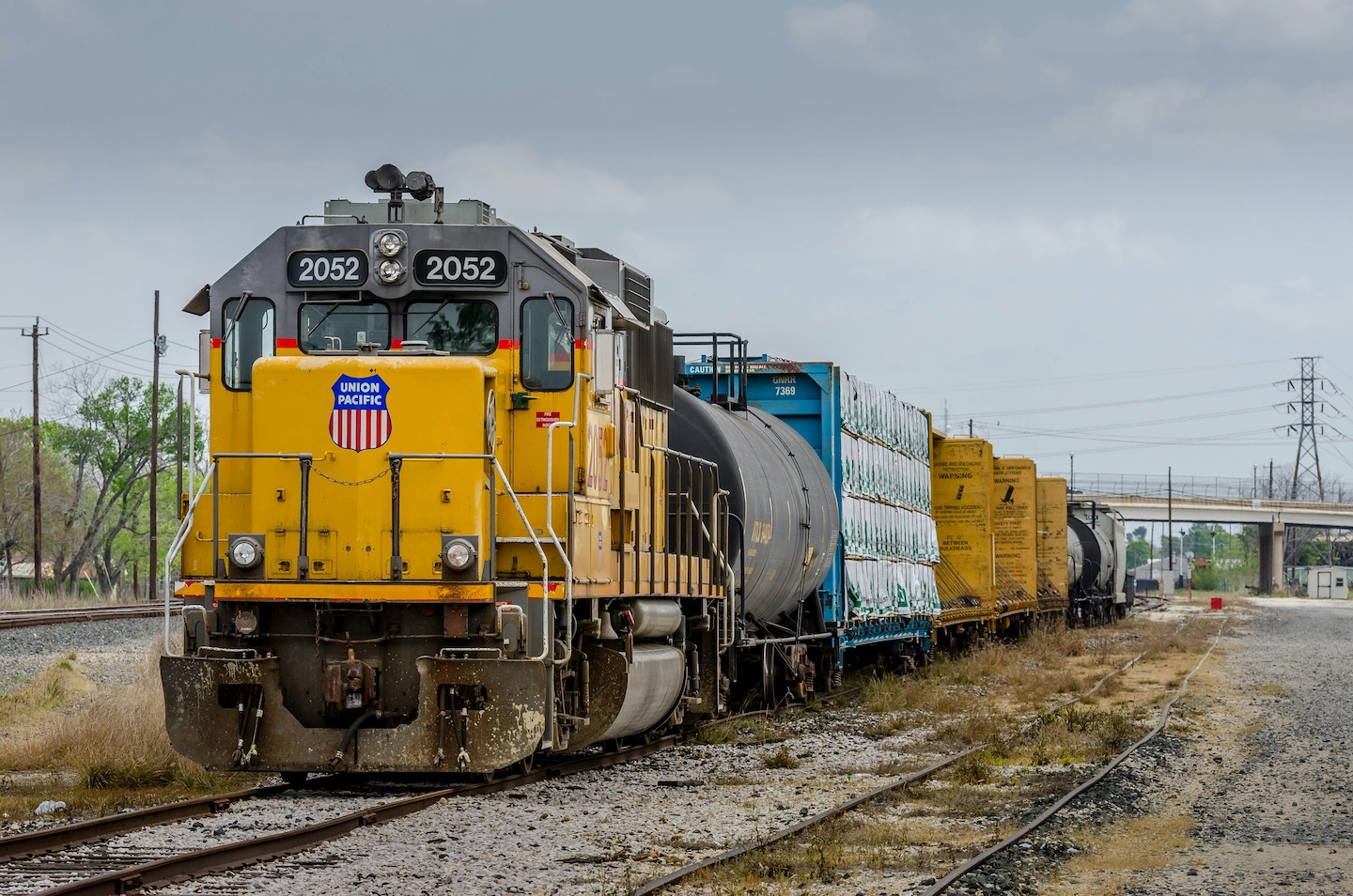
How transporting materials can lead to dust air pollution Learn how transporting and handling materials contribute to PM10 dust pollution and what strategies can help reduce emissions and protect air quality.
Article
Professions with the highest air pollution riskFirefighters, drivers, construction workers, and other professions often face high exposure to air pollution. Read this blog to understand why air quality monitoring and worker protections matter.
Article
Air quality measurement series: Dust (PM10)This blog covers coarse particulate matter (PM10) composition, sources, health and environmental effects, exposure guidelines, and why monitoring matters.
Article
A Deep Dive into Coal Dust: Air Quality and Health ImplicationsExplore the health impacts of coal dust and PM10 air pollution, how coal mining and transport contribute to emissions, and how to monitor and reduce exposure.
Article
How does PM10 air pollution affect human health, and what steps can you take to protect yourself?Learn how PM10 air pollution impacts your health, who is most at risk, and what practical steps you can take to reduce your exposure to dust-related air pollution.
Article
Professions with dust-related air pollution: Who is most at risk for PM10 exposure on the job?Which workers face the most exposure to dust air pollution? Explore PM10 risks across industries and how to reduce adverse health impacts.
Article
PM10 air pollution from mining activities: Monitoring dust for mining operationsMining activities release PM10 dust that degrades air quality, endangers worker and community health, and damages nearby vegetation and water sources. Various engineering and safety measures, including the measurement of air pollution from mining operations, can help reduce exposure.
Article
Dust Emissions from Industrial Applications: Why Monitoring PM10 Air Pollution MattersIndustrial facilities such as metallurgical, mineral, and wood product manufacturers release dust particles (PM10) that affect air quality and public health. Monitoring these emissions helps reduce exposure and protect nearby communities.
Announcement
Clarity Movement Co. Partners with Thomson Environmental Systems to Bring Advanced Air Quality Monitoring to OceaniaClarity Movement Co., a leader in innovative air quality monitoring solutions, is thrilled to announce a partnership with Thomson Environmental Systems (TES), Australia's foremost environmental monitoring equipment supplier.
Article
Monitoring air quality in mining: Importance and best practicesWhile mining activities contribute significantly to air pollution levels, coupling real-time air quality monitoring data with more environmentally sustainable practices can help to reduce mining's impacts on both mining workers and surrounding communities.
Article
The benefits of air quality monitoring services for industrial and mining operationsMining and industrial operations are major sources of air pollution, making it highly important to monitor air quality to protect employees and surrounding communities from exposure.