TL;DR: Philadelphia has launched Breathe Philly, a citywide network of 76 air quality sensors that provide real-time data on air pollution levels. Residents can access the public dashboard to check local air quality, take steps to protect their health, and support cleaner air across every neighborhood.
What is Breathe Philly?
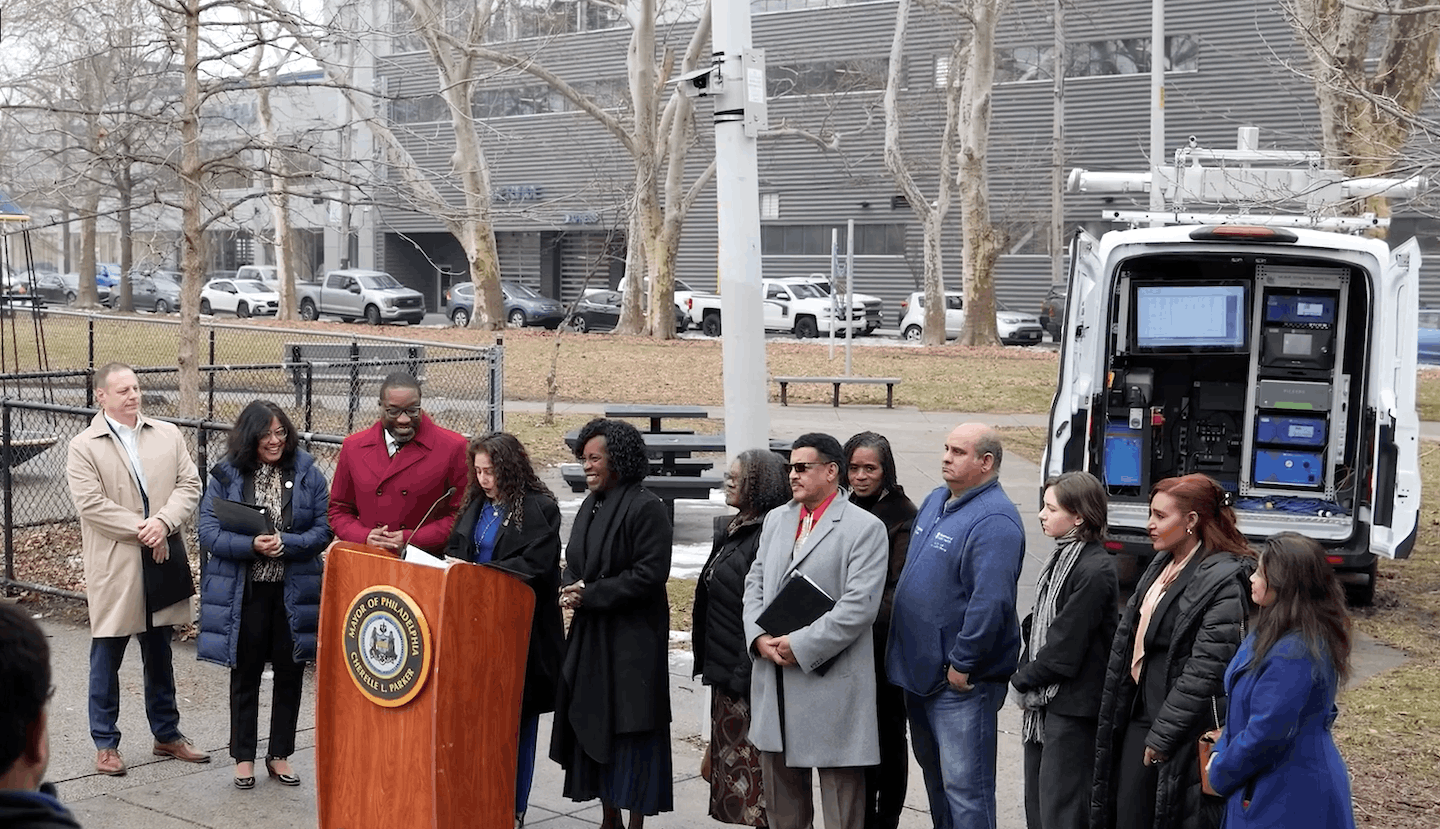
On Wednesday, February 18th, the Philadelphia Department of Public Health, Mayor Cherelle Parker, and the Air Management Services team launched the Breathe Philly air quality sensor network, as covered by CBS News, NBC Philadelphia, Philly Voice, and Philadelphia Today.
This is what it looks like when government works. Breathe Philly ensures no matter your zip code, you have access to real-time information about the air you and your family are breathing. This is about transparency, environmental justice, and giving residents the tools to protect their health. With this launch, every Philadelphian now lives within 1.5 miles of an air quality sensor, and that’s a commitment we are proud to make.”
— Cherelle Parker, Mayor of Philadelphia
This network consists of 76 Node-S air quality sensors installed across the city of Philadelphia, ensuring that every city resident is within 1.5 miles of an air pollution monitor. It is one of the largest city-operated air quality sensor networks in the country.
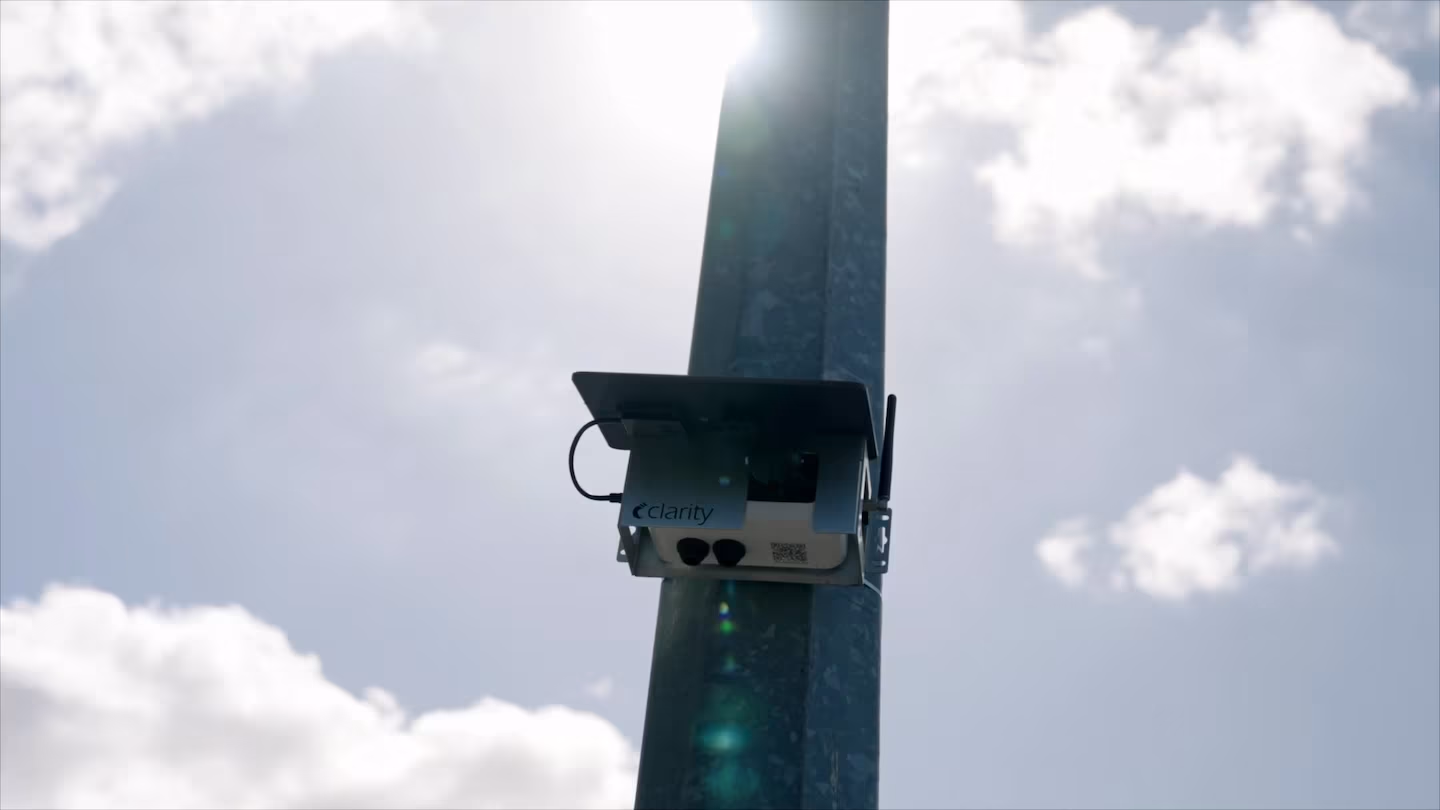
The data from these sensors is publicly available on the Breathe Philly dashboard, allowing residents to check their real-time local air quality. The dashboard is easy to understand and explains the significance of each measurement, with air quality index (AQI) color ratings. Residents can also check the air quality in their neighborhoods on the AirNow website.

The impact of Breathe Philly
Air pollution poses a serious threat to public health and the environment. Fossil fuel air pollution, for instance, may be responsible for as many as 1 in 5 premature deaths in 2018. Particulate matter can lead to reduced lung function and chronic bronchitis. Nitrogen dioxide can lead to the development and aggravation of asthma and increase susceptibility to respiratory infections.
Access to real-time air pollution data not only raises awareness about air pollution issues but also allows city residents to better protect themselves during days with poor air quality. By viewing the Breathe Philly dashboard, Philadelphia residents will know when they need to take extra precautions, such as staying indoors, wearing masks, or avoiding air pollution hotspots.
Breathe Philly is the culmination of years of effort by the Health Department’s Air Management Services division to ensure high-quality, reliable, and accessible air quality data are available for all Philadelphians – in every zip code and every neighborhood. We’re excited to use the Breathe Philly network in our work to improve air quality, but we’re just as excited to see how residents use it – whether you’re a citizen scientist, the parent of a child with asthma, or just a resident enjoying the outdoors.”
— Dr. Palak Raval-Nelson, Philadelphia Department of Public Health Commissioner
With the launch of the Breathe Philly network, all neighborhoods now have access to this important data, promoting environmental justice and ensuring better protection of residents across the city, regardless of socioeconomic status.
Looking forward
Breathe Philly is an incredible milestone for Philadelphia’s air quality and represents a growing trend of cities investing in modern air quality monitoring infrastructure to better serve their constituents.
This new air quality sensor network is a next-generation infrastructure for air quality management that is going to benefit all of Philadelphia. It will empower better decision-making in terms of air pollution exposures and better policy-making for the betterment of the whole city.”
— Sean Wihera, VP of Business Development and Partnerships at Clarity Movement
To help promote cleaner urban air, partner with Clarity to implement an air quality monitoring network in your city.