
Image provided by Dawn McDonald via Unsplash.
TL;DR: Transportation is the largest source of greenhouse gas emissions in the United States and a major contributor to air pollution worldwide. Gasoline and diesel vehicles produce significant emissions, while electric vehicles generally create less pollution but still have impacts from electricity generation and manufacturing. The best options for air quality are walking, biking, public transit, carpooling, and other low-emission transportation.
According to the Inventory of U.S. Greenhouse Gas Emissions and Sinks 1990-2022, transportation accounted for 28% of total US greenhouse gas emissions in 2022, making it the largest contributing sector. Of these emissions, 57% came from light-duty vehicles and 23% came from medium- and heavy-duty trucks.
The transportation sector is also responsible for roughly 45% of the total US nitrogen oxides (NOx) emission inventory, and significant amounts of particulate matter (PM) air pollution. With transportation accounting for such a significant portion of air pollution emissions, it is worth looking into which types of transportation are best for the environment and public health.

Gasoline-powered transportation’s impact on air pollution
Gasoline, a fuel often used to power vehicle engines, is made from crude oil and other petroleum liquids. Finished motor gasoline is usually a blend of gasoline blendstocks, finished gasoline, ethanol, and sometimes also detergents and other additives. Gasoline also comes in different grades.
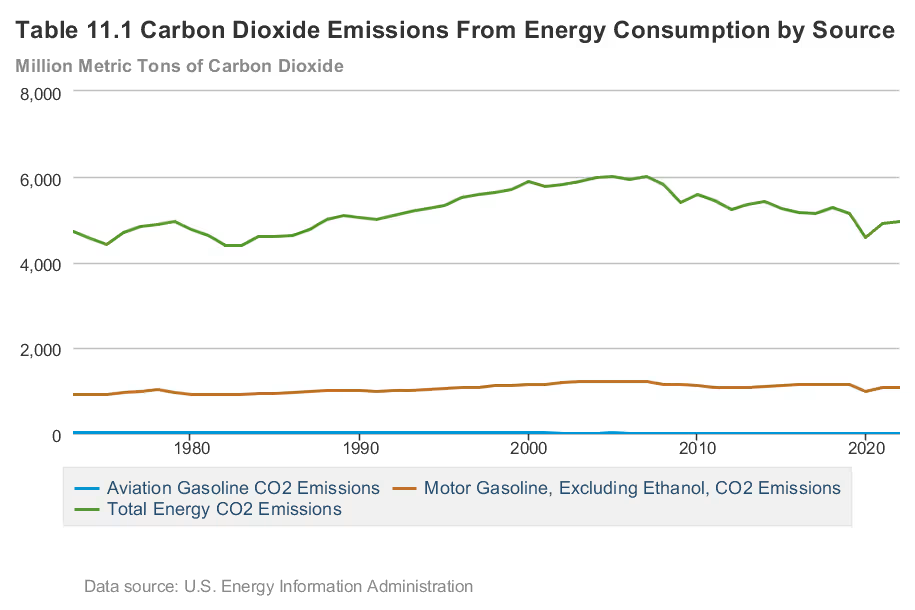
In 2022, Americans used roughly 135.73 billion gallons of gasoline. In the same year, gasoline accounted for about 57% of total energy consumption in the United States transportation sector. Light-duty vehicles, which include cars and small trucks, account for roughly 91% of all US gasoline consumption.
Gasoline engines use spark plugs to ignite the fuel, whereas diesel engines compress the air tightly, causing enough heat to cause ignition. When gasoline is burned, it produces air pollutants such as particulate matter, carbon monoxide, nitrogen oxides, unburned hydrocarbons, and carbon dioxide.
Diesel-powered transportation’s impact on air pollution
Diesel fuel, like gasoline, is refined from crude oil. This type of fuel undergoes slightly different processing than gasoline. In 2022, the US transportation sector’s diesel fuel consumption was about 2.98 million barrels (125 million gallons) per day. This statistic excludes biodiesel and renewable diesel.
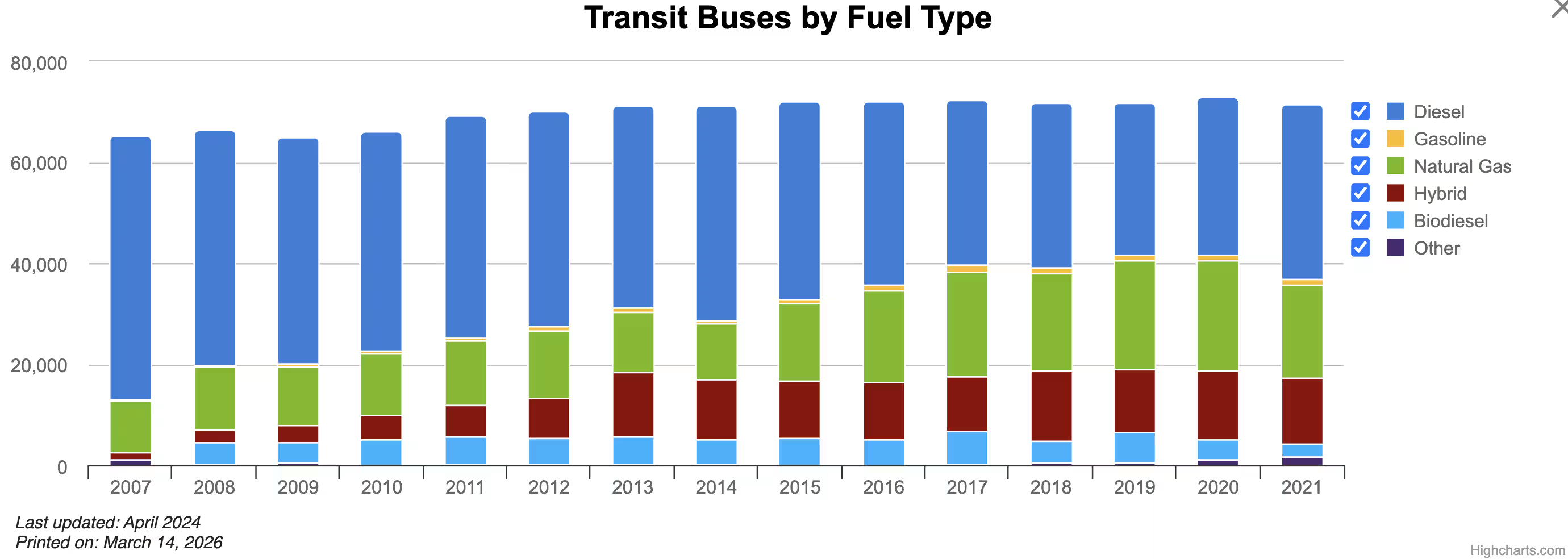
Diesel is often used to fuel large vehicles such as trucks, boats, trains, barges, and buses. It helps transport many different goods and products for consumption by people. The U.S. military action uses diesel fuel to power tanks and trucks because this type of fuel is less flammable than other kinds. Diesel fuel is usually more efficient than gasoline and provides more energy per gallon. However, diesel fuel still produces air pollutants such as particulate matter, nitrogen oxides, and carbon monoxide.

Diesel engines vs gasoline engines
Modern regulations ensure that diesel engines are cleaner and less polluting than in the past. Newer engines have filters that trap particulate matter. In fact, one study even found that new diesel engines with filters produce less carbonaceous particulate matter than gasoline cars. Although there is some conflicting research, modern diesel engines may even emit less CO2 than gasoline engines.
However, since these engines can operate for over 30 years, older, dirtier diesel engines are still on the road today, producing extensive air pollution. Moreover, even modern diesel engines still emit significantly more NOx than their gasoline counterparts.
Electric-powered transportation: A better option for air quality
Electric vehicles (EVs) are powered by an electric motor that draws electricity from a battery. In 2024, global electric car sales exceeded 17 million. Unlike both diesel and gasoline-powered vehicles, fully electric cars do not generate tailpipe emissions. This means that they do not emit carbon dioxide, particulate matter, nitrogen oxides, or any other air pollutants from burning fossil fuels on the road. Yet, this does not mean that electric vehicles are completely emission-free.
Electric vehicles still produce non-exhaust air pollution. All vehicles produce particulate air pollution through the friction between tires, brakes, and clutches on the road, and EVs are no exception. With exhaust air pollution decreasing through engine restrictions, friction as a source of air pollution remains significant.
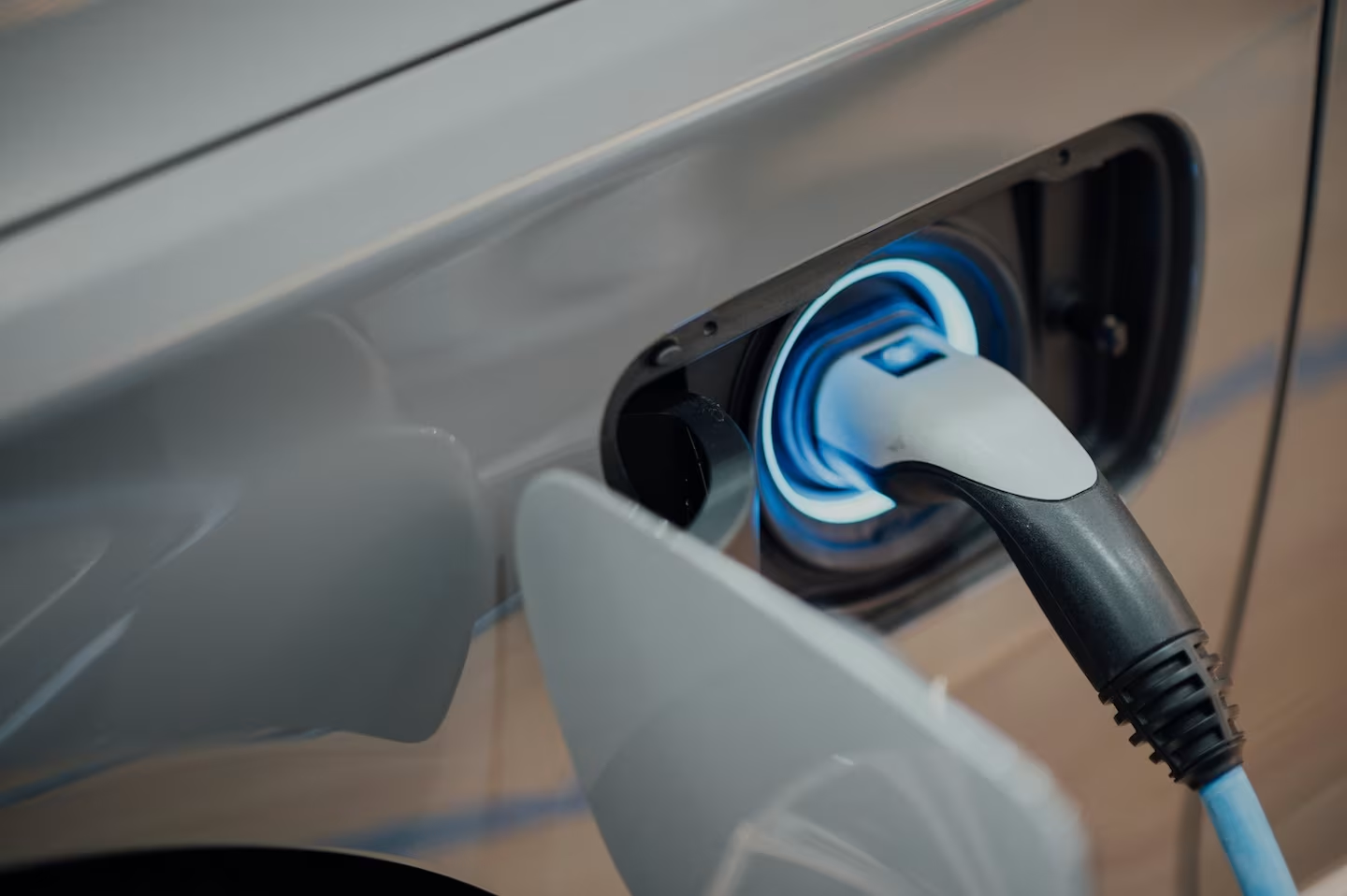
Electric vehicles also produce air pollution emissions through charging and battery creation. Charging produces air pollution and CO2 when the local power used in generating electricity comes from unclean sources such as coal or natural gas. When local power comes from renewable energy sources such as solar and wind power, emissions go down. Because of the intense battery production process, manufacturing battery cars produces 60% more carbon emissions than their fossil fuel counterparts.
However, even with these emissions, EVs still produce less air pollution and CO2 than fossil-fuel-powered vehicles over their lifetime, making them a better choice for the environment.
Non-car forms of electric-powered transportation
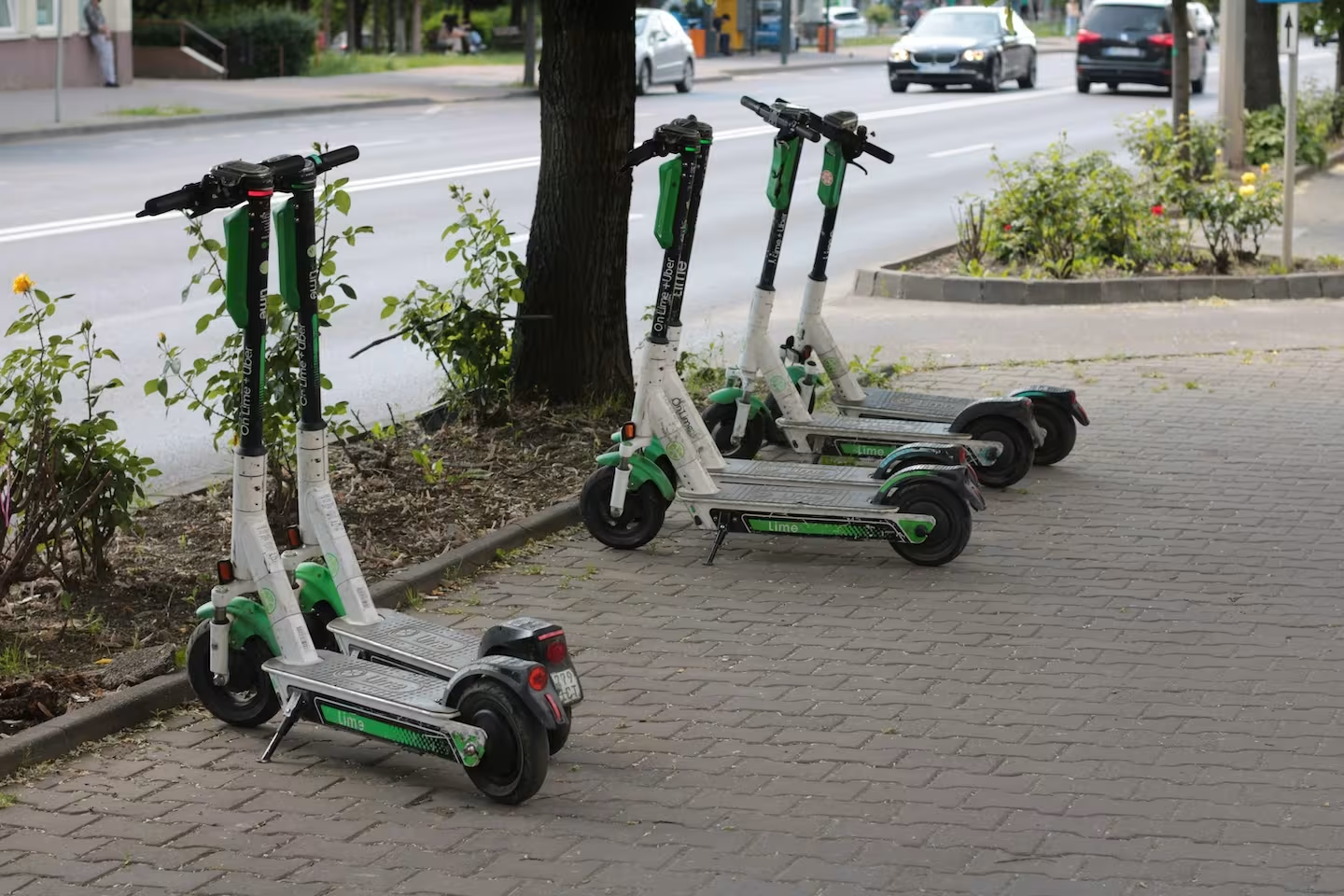
In the United States in 2018, users took 38.5 million trips on shared electric scooters. Through manufacturing, charging, and use, these scooters produce greenhouse gases, particulate matter, and other air pollutant emissions.
Although shared electric scooters may have less climate impact than fossil-fuel-powered automobiles, they might be worse than other forms of transportation, like buses with higher ridership or electric bicycles. This is in part due to the e-scooters’ short lifespan of about two years. Shared e-scooters also need to be collected for charging and relocating, requiring vehicle travel.
On the other hand, electric bicycles have shown promise in reducing greenhouse gas and air pollution emissions compared to fossil-fuel-powered vehicles. By reducing traffic congestion and providing an alternative to car travel, they have a net-positive impact on the environment and air quality.
Electric rail also accounts for over 85% of passenger rail activity. Urban rail networks, such as light rail and metro, usually have lower carbon dioxide emissions than private cars and other motorized urban transport modes. However, railways and trains can still produce significant particulate matter emissions.
Human-powered transportation
Active transportation, such as biking or walking, is the most sustainable form of transportation. In addition to providing air quality benefits, active transportation is also very good for you because it requires exercise.

Every extra hour spent in a car daily increases the risk of obesity by 6%. In contrast, individuals who meet international physical activity guidelines experience a 20% - 30% lowered risk of premature death and chronic diseases. Physical activity improves heart and lung function, improves mental function, and reduces symptoms of depression.
Notably, active transportation can result in greater exposure to ambient air pollution. Yet, the overall health benefits of active transportation outweigh the risks except in areas with extremely high levels of particulate matter.
According to CoolCalifornia.org, the best transportation options for the environment are:
- 1. Walking or biking
- 2. Public transportation
- 3. Carpooling
- 4. Driving a zero- or low-emission vehicle
Looking forward
Sustainable transportation promotes public health, creating cleaner cities, and protecting the environment. Air quality monitoring supports these efforts by increasing public awareness of pollution and identifying the most effective solutions. Using reliable air quality data helps policymakers develop strategies that lead to better outcomes. Partner with Clarity today to implement an air quality monitoring system.