
TL;DR: Recent data from the Air Quality Life Index (AQLI) shows stark regional differences in air pollution, with South Asia, Sub-Saharan Africa, and parts of Latin America facing the highest health risks. Yet, these same regions often have the fewest air quality monitors. Closing this air quality data gap supports effective policy change, and it's a challenge that the EPIC Air Quality Fund and partners, such as OpenAQ and Clarity, are working to meet.
Note: All graphs and data visualizations shown in this blog were developed by the Air Quality Life Index (AQLI) at the Energy Policy Institute at the University of Chicago (EPIC).
Air pollution is the greatest external risk to human health. Yet, almost 70% of the world’s population lives in countries in which fewer than three air quality monitors exist for every million people. This leaves billions of people in the most polluted nations without proper air quality monitoring.
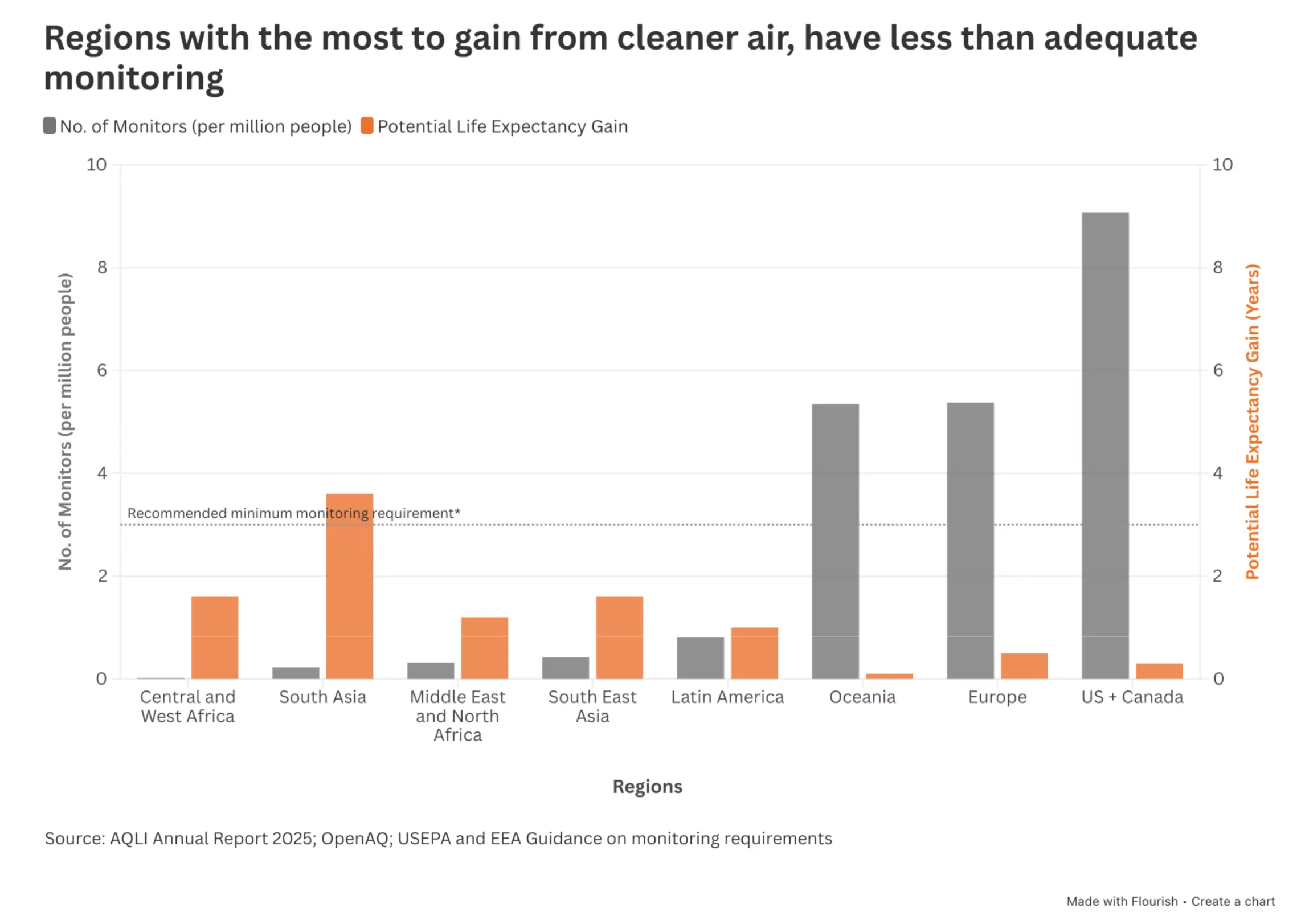
The mission of the Energy Policy Institute at the University of Chicago (EPIC) is to research and address the global energy challenge, including the impact of air pollution. As a part of this mission, they have established the Epic Clean Air Program, which contains both the Air Quality Life Index (AQLI) and the EPIC Air Quality Fund.
The EPIC Air Quality Fund aims to expand access to air quality data to 1 billion people by 2030 by providing funding for air quality measurement in the areas where it is needed most. Keep an eye out for a new round of EPIC air quality monitoring funding opportunities in 2026.
The AQLI aims to produce peer-reviewed research that measures the effects of long-term exposure to air pollution on human life expectancy. Given the AQLI’s annual update on air pollution, it is worth diving into some of the interesting statistics uncovered by the team to understand where the world is in terms of air quality based on recent data.
Air pollution statistics in Asia
Unfortunately, many parts of Asia remain highly polluted. South Asia, for instance, remains the most polluted region in the world. In this region, air pollution reduces life expectancy by an average of three years, with the most polluted areas seeing an even greater reduction. South Asia has air pollution 52% higher than that of China, which has significantly improved its air quality over the past decade.
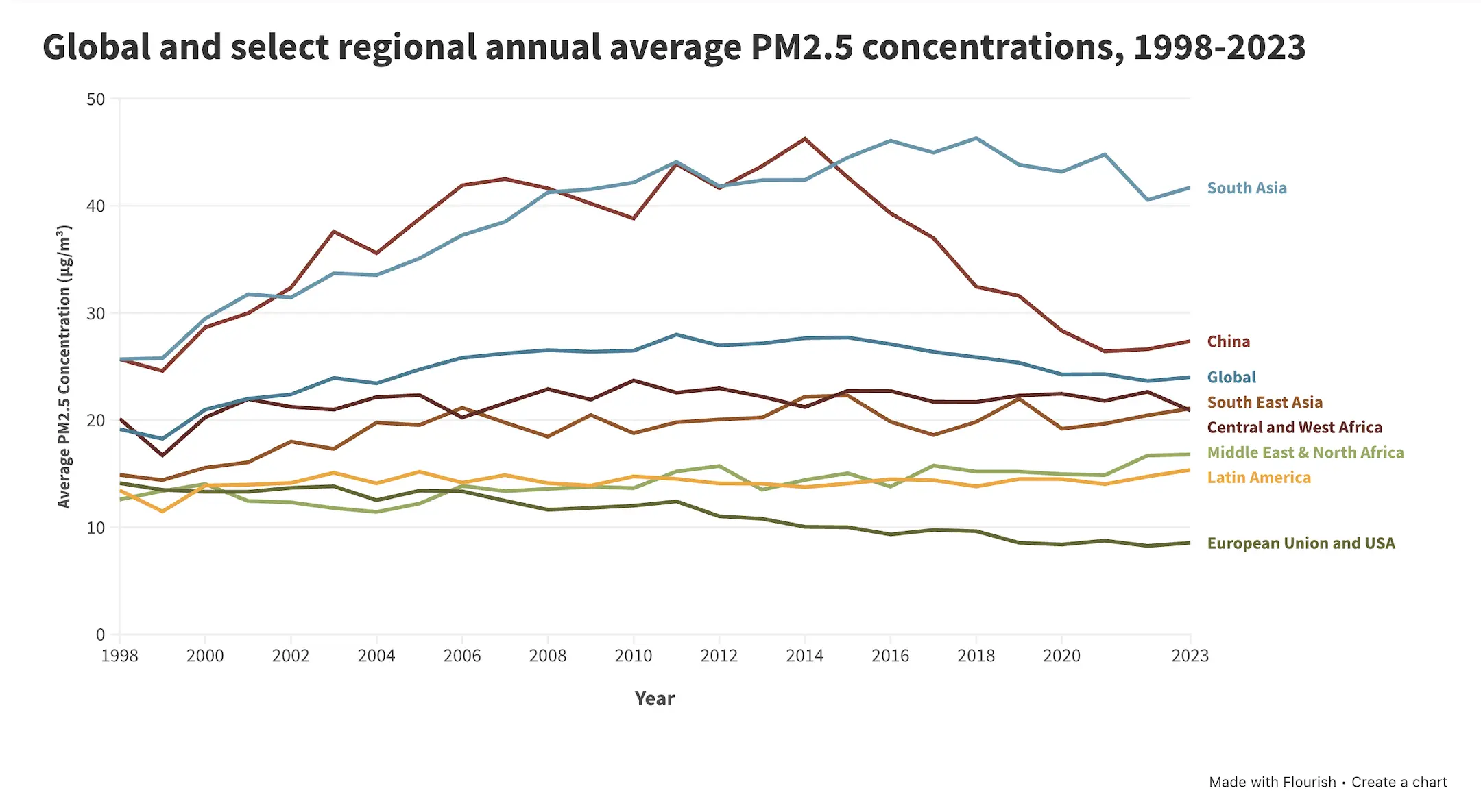
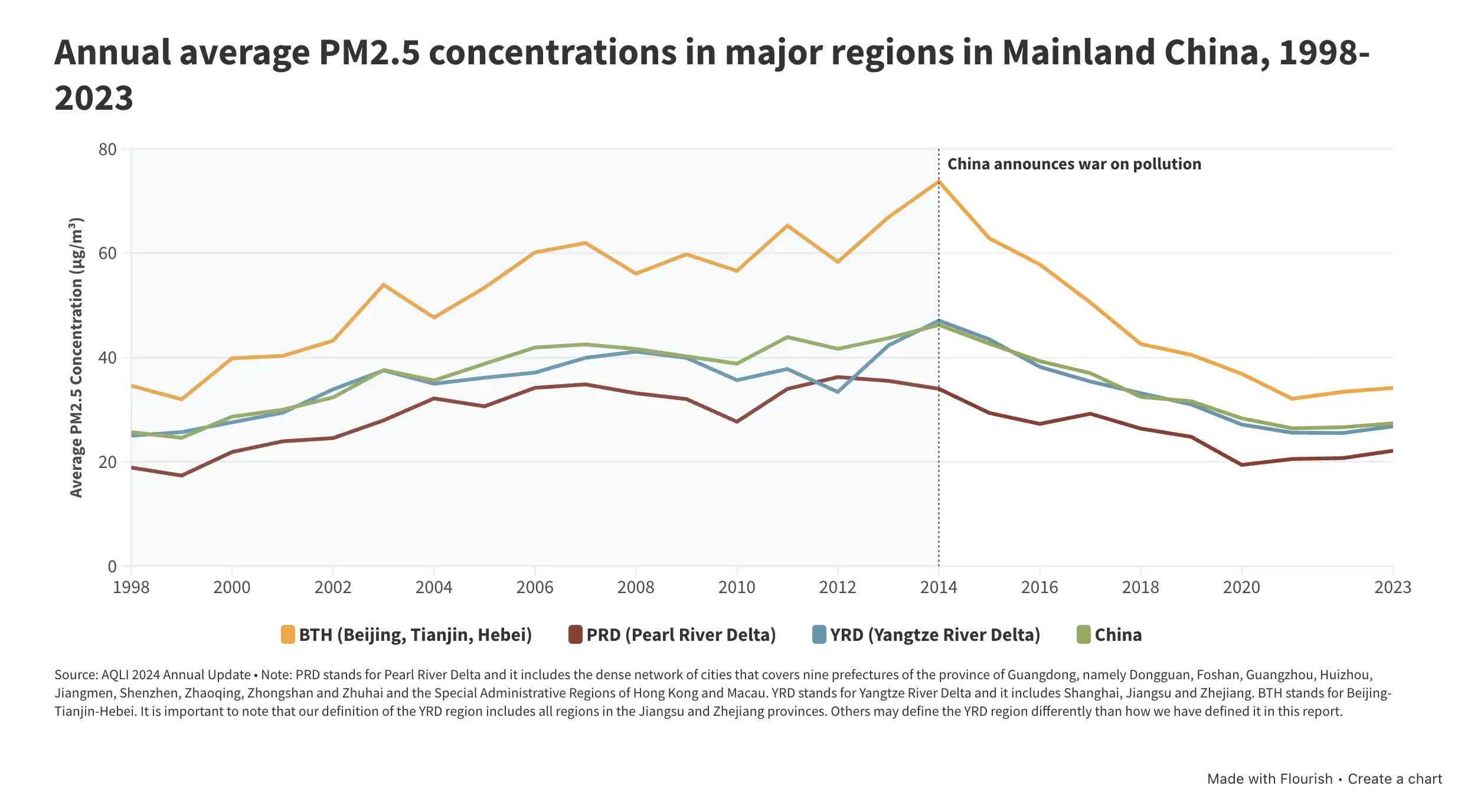
In contrast to South Asia, China has been experiencing an air pollution decline due to improved air quality policies. Particulate pollution has been reduced by 40.8% since 2014. Even so, the air pollution in China is still 5.5 times higher than the World Health Organization’s guidelines.
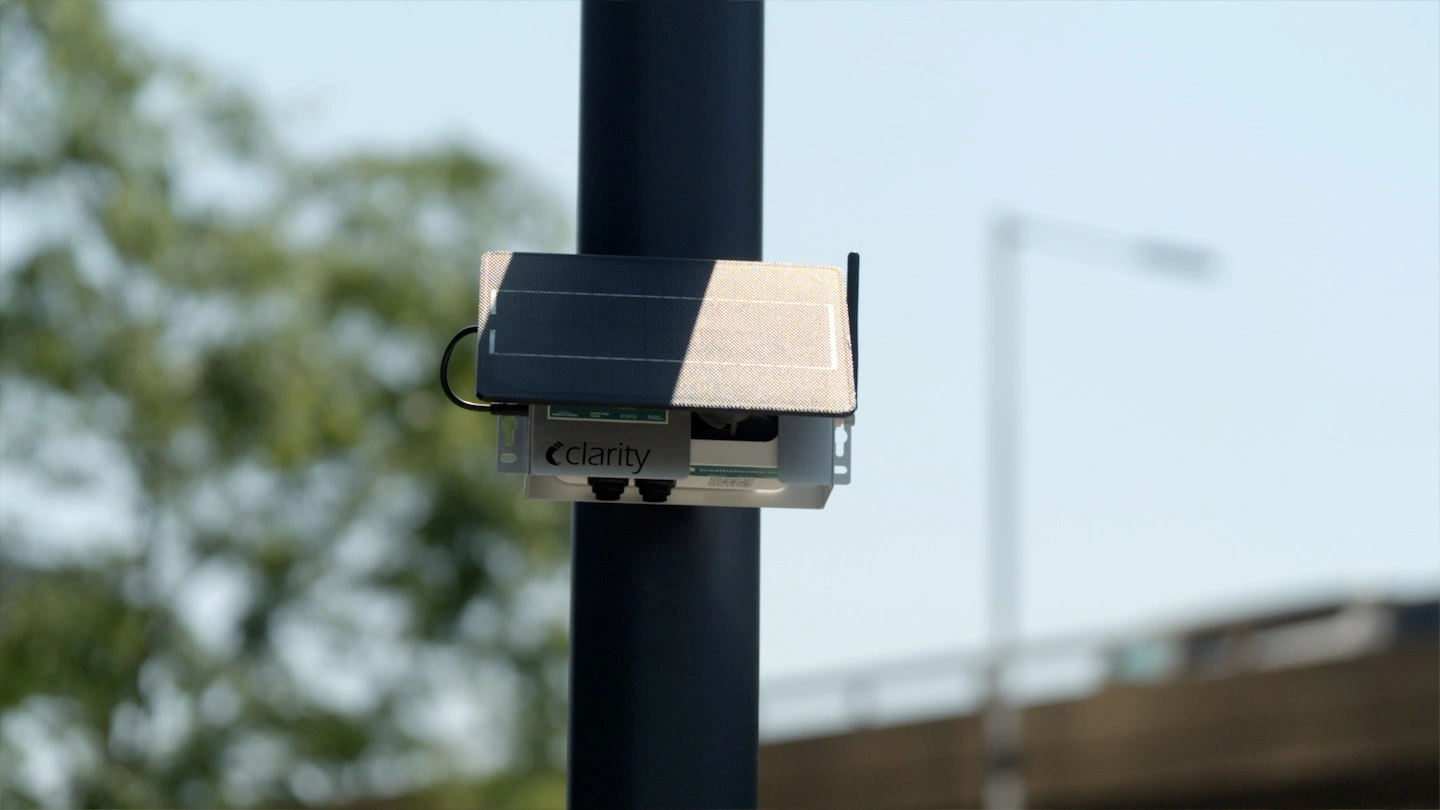
Southeast Asia still experiences significant air pollution, with the region’s people breathing air with at least 4 times higher pollution levels than the WHO guidelines. As much as 1.1 billion total life years are lost due to this region’s air pollution. Clarity is working on initiatives to improve air quality data access and awareness in the Southeast Asia region, including the recently launched Breathe Metro Manila project.
In the Middle East, air pollution has unfortunately been growing. For instance, if the WHO air quality guidelines were met, the average resident in Qatar could live 3.1 years longer, while the average resident in Saudi Arabia could live 2 years longer.
Air pollution statistics in Europe
Air pollution in Europe is generally much lower than in Asia. In fact, particulate matter levels have decreased by 31.5% since 1998 due to effective clean air policies. In 2023 alone, air pollution decreased by 1.2%.
Notably, much of Europe is still behind the WHO air pollution guidelines. If Europe successfully adheres to these guidelines, it could increase average life expectancy by 6.1 months. Additionally, not all of Europe experiences air pollution equally. Eastern Europe often experiences lower air quality than Western Europe. However, Italy also experiences high air pollution.
Air pollution statistics in Africa
In 2023, Sub-Saharan Africa was where three of the top ten most polluted countries were located. Cameroon and the Democratic Republic of Congo are the most polluted countries in the Sub-Saharan region. Both of these countries had more than 6 times the WHO air pollution guidelines in 2023.
Unfortunately, this region receives less than $300,000 annually to fight air pollution. This amount is not nearly large enough to address the problem. In Africa, the EPIC Air Quality Fund has invested in improving air quality, committing almost five times the level of philanthropic funding the continent usually receives for this issue. With this support, the Democratic Republic of Congo has installed its own air quality monitoring network.
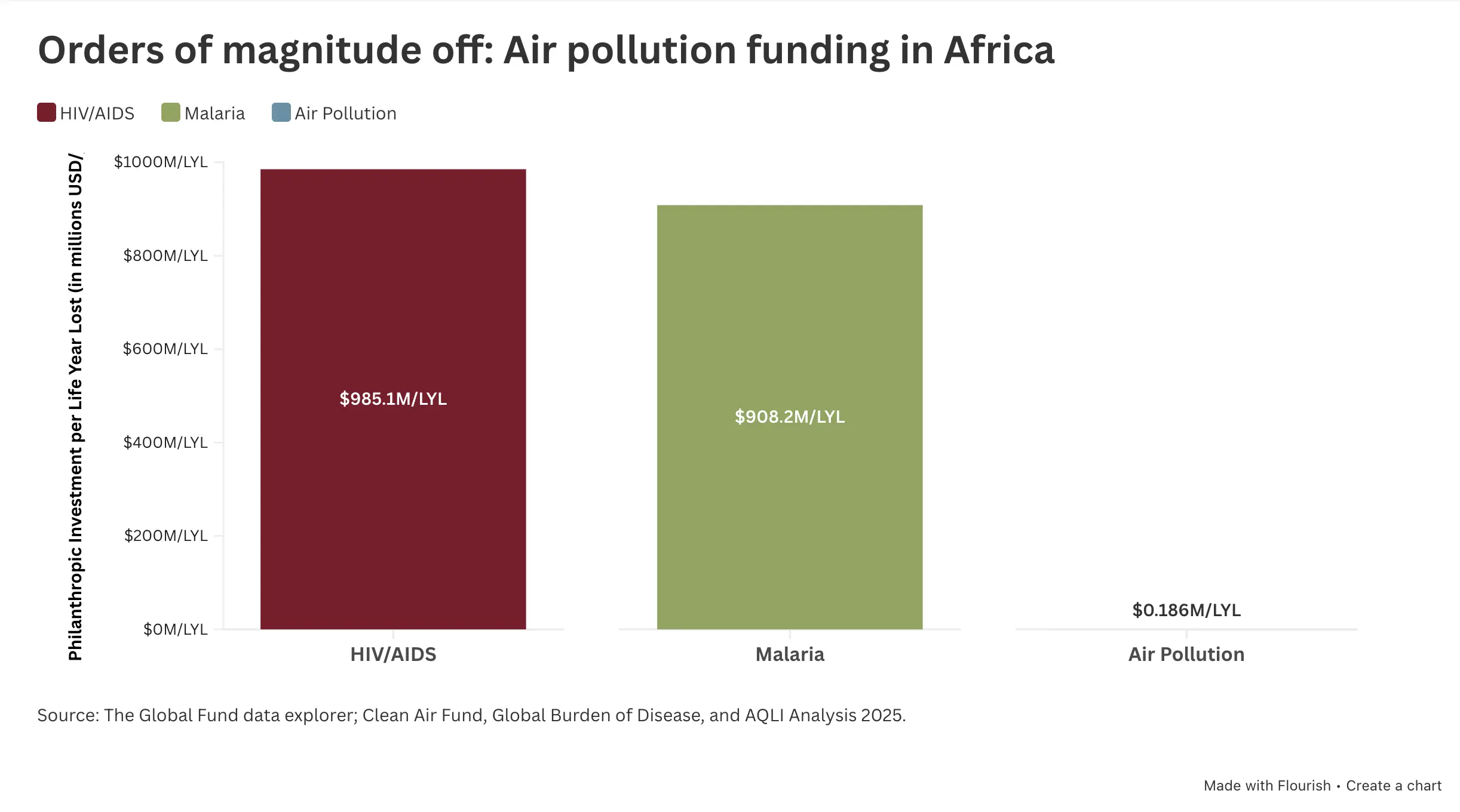
North Africa has also been growing as an air pollution hub. Egypt, in particular, faces a large public health burden because of its large population. If air pollution levels in Egypt were brought down to WHO guidelines, average life expectancy could increase by 1.3 years.
Air pollution statistics in Australia and Oceania
Oceania and Australia experience some of the cleanest air in the world. The only two countries in this region that exceed the World Health Organization air pollution guidelines are the Solomon Islands and Papua New Guinea. The average resident of the latter country could gain 3.4 years of life expectancy if the WHO guidelines were met.
Notably, air pollution in the country of Australia, where 60% of Oceania’s population lives, not only adheres to the WHO guidelines but actually falls well below them. Here, the residents reap the many health benefits of clean air.
Air pollution statistics in Latin America:
In 2023, Latin America’s air pollution was the highest it has been since the Air Quality Life Index began keeping records in 1998. Throughout Latin America, residents could, on average, gain up to one year of life expectancy; however, certain regions have far more air pollution with air quality comparable to South Asia.
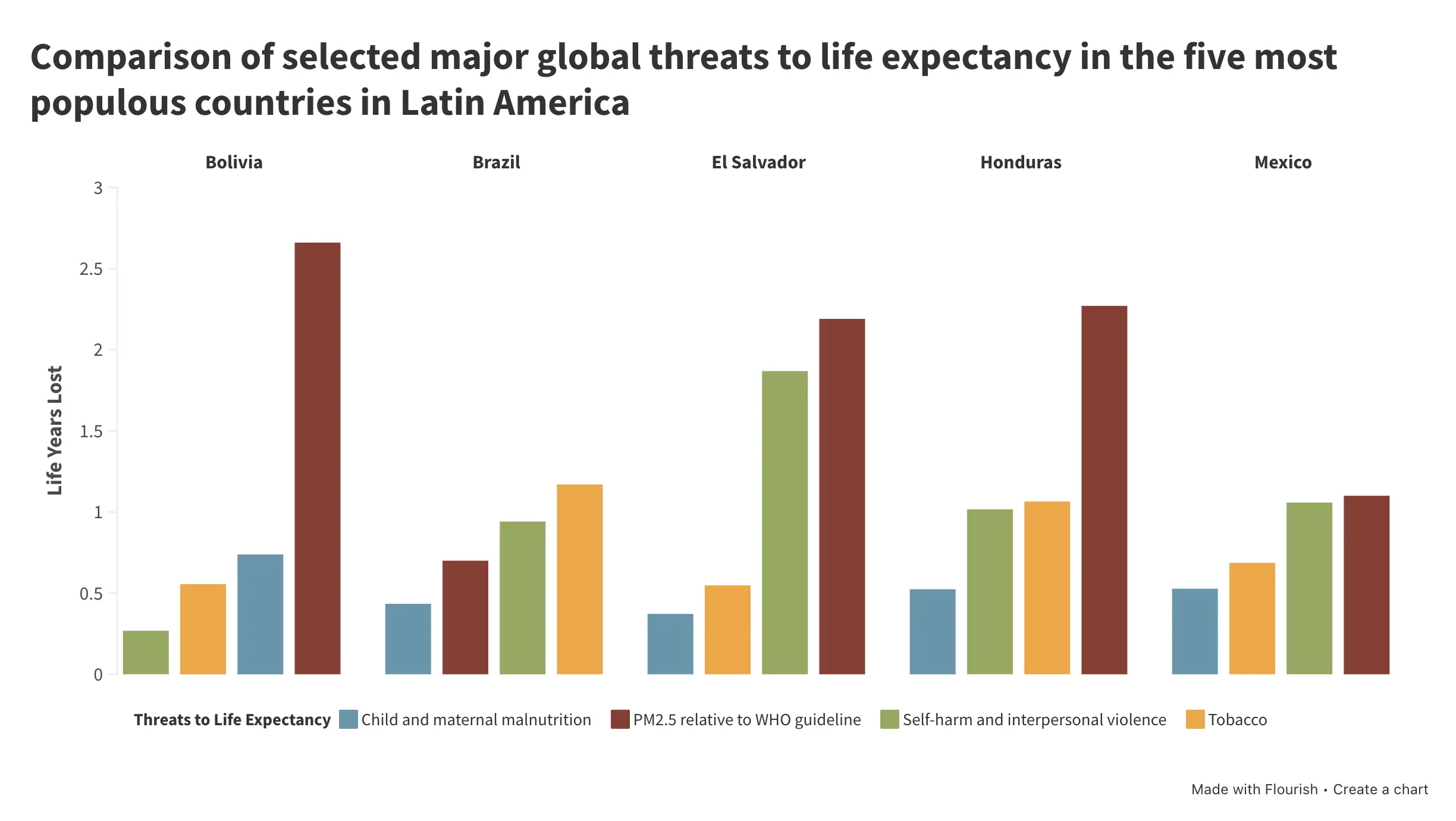
Honduras, Bolivia, and El Salvador are the most polluted countries in Latin America. In Bolivia, air pollution is particularly severe. In fact, it is nine times more deadly than self-harm and violence.
Air pollution statistics in North America:
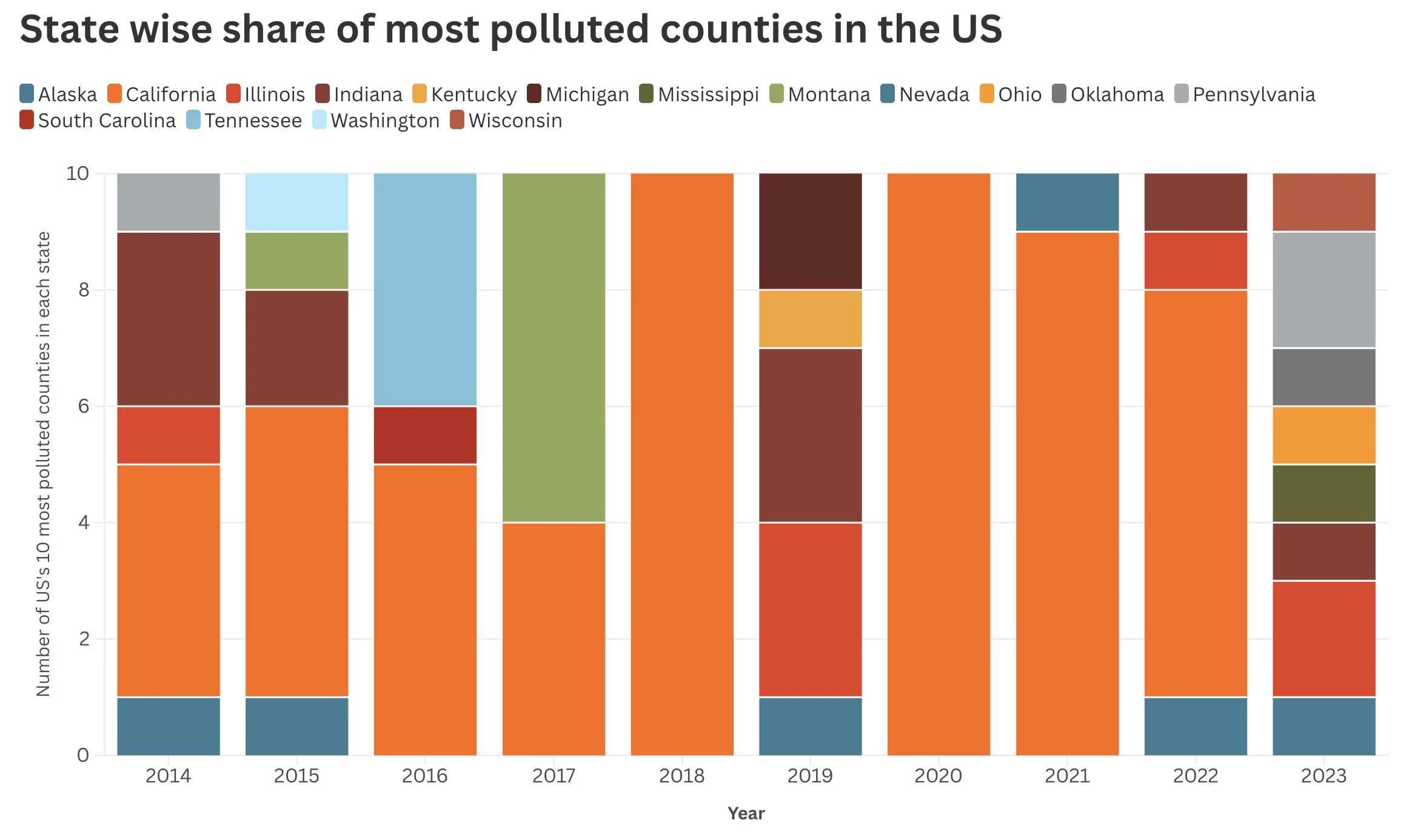
Canada’s 2023 wildfire season was the worst yet. Subsequently, Canada experienced some of the highest levels of air pollution over the last 26 years from wildfire smoke drifting far from its source. Fueled by climate change, forest fires and smoke-related air pollution have been spiking in many areas around the world, from Bolivia to Greece.
The United States’ air pollution also spiked in 2023, due to Canadian wildfire smoke spreading across national lines. This smoke reduced the air quality in areas that do not usually deal with such intense air pollution. To best protect public health, wildfire-related air pollution must be addressed in addition to anthropogenic emissions of climate pollutants.
Making a difference moving forward
Air quality monitoring leads to real-world impact. Accurate data can support proper air pollution policy, raise awareness of this global threat, and give individuals the information they need to protect themselves.
The EPIC Air Quality Fund helps ensure that the communities that need air quality monitors the most have the means and support to implement them. The fund provides open air quality data so that both citizens and policymakers can understand the issue and enact change.
Be sure to check out and apply for new EPIC funding opportunities coming soon in the new year, and partner with Clarity to implement an accurate, real-time air quality monitoring network.