
TL;DR: Alzheimer’s is the most common cause of dementia, and research shows long-term exposure to fine particulate matter (PM2.5) is linked to a higher risk of developing the disease. Studies have found associations between air pollution and increased Alzheimer’s pathology, as well as direct effects on the brain. Air quality monitoring can help identify high-risk areas and support prevention efforts.
What is Alzheimer’s?
Alzheimer’s disease is a type of dementia. Dementia is an umbrella term for symptoms such as memory decline and deterioration of reasoning. Dementia can be caused by various diseases, but Alzheimer’s is the most common cause of dementia.
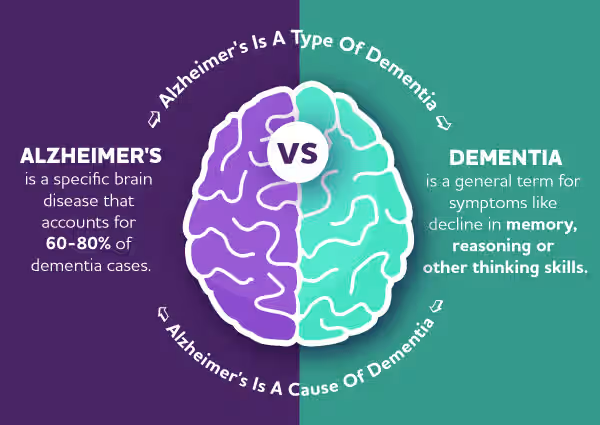
The greatest known risk factor for Alzheimer’s is increasing age, and most people with the disease are aged 65 or older. Alzheimer’s is a progressive disease that gets worse over time, with most people living about 4 to 8 years on average after diagnosis. However, patients can live up to 20 years after diagnosis. The disease has no cure, but there are treatments that can slow its progression.
Alzheimer’s causes widespread damage in the brain, causing neurons to stop functioning as they should. The disease disrupts neuron communication, repair, and metabolism. Eventually, neurons stop functioning properly, lose connection with each other, and die. People with Alzheimer’s gradually lose the ability to live and function independently and finally pass away.

In the United States, 7 million people live with Alzheimer's in total. Roughly 1 in 13 people aged 65 to 84, and 1 in 3 people aged 85 and older, live with Alzheimer’s disease. By 2050, the financial toll of Alzheimer’s and other dementias for the country may be as much as 1 trillion dollars. Scientists still don’t fully understand what causes Alzheimer’s disease in most individuals, but they have identified risk factors such as aging and genetics.
How is air pollution connected to Alzheimer’s?
The air you breathe affects your cognition. Small particles of solids and liquids suspended in the air, known as fine particulate matter (PM2.5), can penetrate deep into the body when inhaled, even entering the bloodstream and the brain.

In 2017, a study at the University of Southern California revealed a positive correlation between PM2.5 exposure and increased brain aging in older women. In 2020, the Lancet Commission added air pollution to its list of modifiable risk factors for dementia.
In a recent study looking at the autopsies of deceased dementia patients, higher exposure to PM2.5 in life was linked to a greater extent of Alzheimer’s disease as observed in the brains after death. In fact, the odds of more severe Alzheimer’s pathology at autopsy were nearly 20% greater for donors who had lived in locations with high PM2.5 levels.

An Emory University study published this February took a look at nearly 28 million older Americans and concluded that long-term exposure to particulate matter air pollution was linked to a greater likelihood of developing Alzheimer’s disease. Notably, the researchers observed that this connection primarily arises from air pollution’s direct effects on the brain rather than through indirect pathways involving chronic conditions.
The link between high air pollution exposure levels and increased risk of Alzheimer’s disease appeared strong and remains so even when other health problems, such as heart disease, high blood pressure, and depression, were factored in. Interestingly, the Emory study also showed that those who had suffered a stroke were at a higher risk for developing Alzheimer’s, indicating that strokes may make the brain more vulnerable to air pollution.
The role of air pollution monitoring
Air pollution can have a major impact on human health, particularly on the elderly, whose bodies are not as able to defend against the effects of environmental hazards. We still do not know what exactly causes Alzheimer’s, but new air pollution research has been able to help us comprehend possible contributors, leading us to a better understanding of the disease and potential preventative treatment options.
Air quality sensor networks can help identify air pollution hotspots, the areas where people may be more at risk of developing Alzheimer’s. This data can enable policymakers and healthcare providers to implement preventative measures and catch early signs of dementia in these locations. Real-time air pollution data also allows individuals to know when the ambient air quality is poor, so that they can take extra precautions to protect themselves.
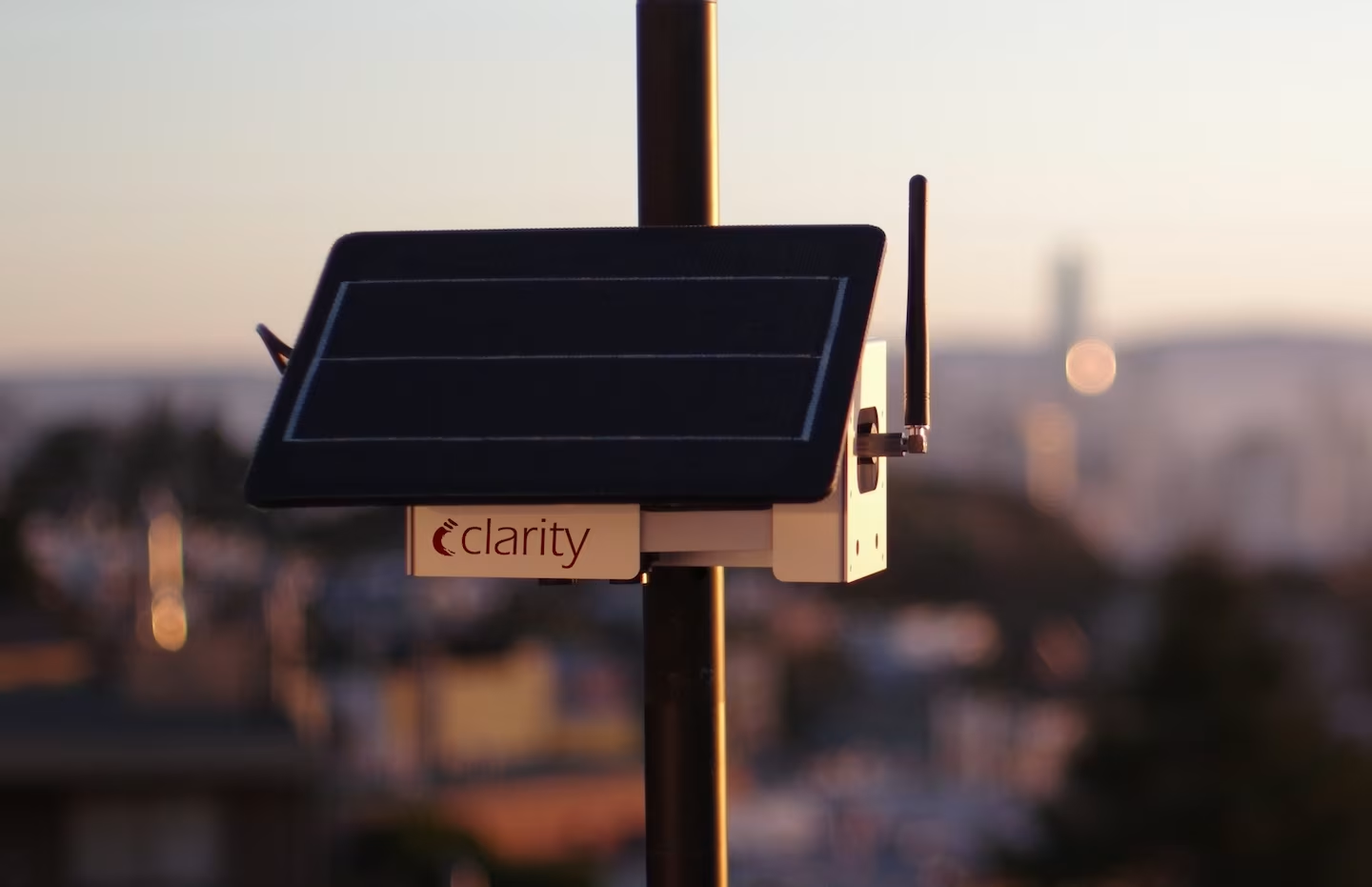
Air pollution monitoring can foster greater awareness of air pollution-related dangers. With greater awareness, communities are better equipped to advocate for cleaner air, and policymakers have the support to implement action. This ensures that vulnerable populations, such as the elderly or other individuals at higher risk of developing Alzheimer’s, are better protected.
Looking forward
Reducing air pollution can help people avoid the dangers of air pollution and possibly help prevent the development of Alzheimer’s in affected populations. Partner with Clarity to implement an air quality sensor network to reduce air pollution.