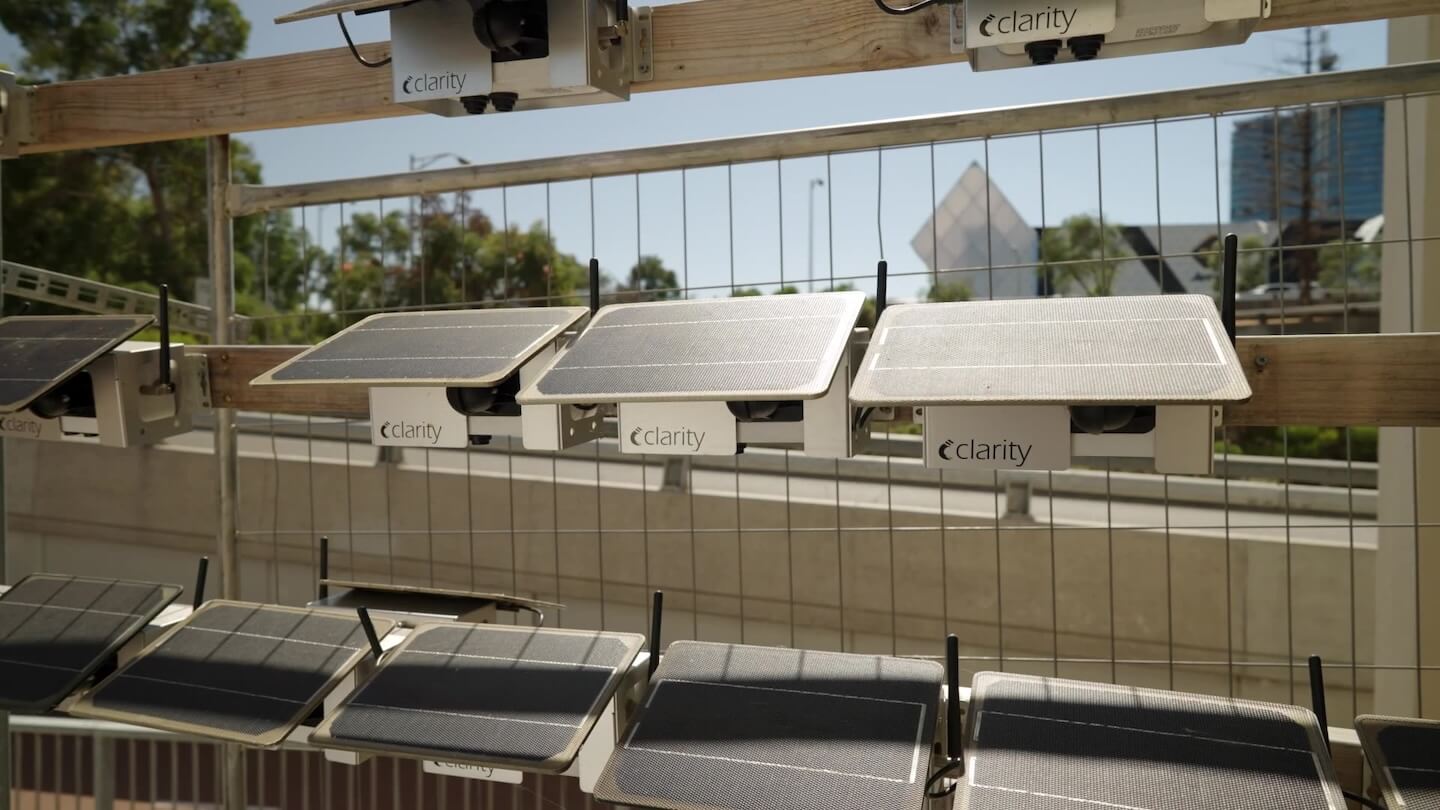
TL;DR: Air pollution is a major public health risk, and monitoring it is the first step toward action. While both networked and individual sensors collect useful data, networked systems offer standardized, reliable measurements, centralized maintenance, and strategic placement, making them more appropriate for urban and regional deployments. They ensure more accurate insights and more equitable air quality monitoring.
Why do we need air quality sensors?
Air pollution is a pressing public health issue, with roughly 7.9 million premature deaths attributed to air pollution every year. Although roughly 9 out of every 10 deaths attributed to ambient air pollution occur in low- and middle-income countries, 99% of people breathe air that exceeds the World Health Organization (WHO) guidelines. In 2021, over 700,000 deaths in children under 5 years of age were connected to air pollution, making it the second-leading cause of death in young children.

Air quality sensors help governments, businesses, and communities address air quality issues. By properly understanding the issue, governments can secure the support to implement appropriate legislation and enforce it by identifying violators. Businesses can control their impact and ensure the safety of both workers and surrounding neighborhoods. Communities can use air quality sensors to raise awareness of the issue and promote change through activism.
If the WHO air pollution guidelines were met, millions of lives could be saved around the world. Air quality monitoring is the first step in understanding and fighting air pollution.
What are the different types of air quality sensors?
There is more than one type of air quality sensor, and different types are more useful for different situations. Mobile air quality monitoring can capture a high-resolution snapshot of air quality across a city within a given time frame, whereas satellite air quality monitoring is useful for capturing larger-scale air pollution events and trends.
Oftentimes, it can be beneficial to combine different air quality sensors to promote a more holistic view of air quality. Two of the most common types of air quality monitors include reference-grade sensors and low-cost sensors.
Government reference-grade air quality monitors are the scientific standard for air quality monitoring. They have strict operating standards and provide the best quality data compared to other types of monitoring. However, these monitors are expensive, costing usually somewhere between $15,000 and $40,000, not including the additionally pricey operating costs. Usually, very few of them are deployed over large areas, making it difficult to identify hotspots and see more localized data.

Low-cost air quality sensors help address some of these issues. True to their name, these sensors are relatively inexpensive, especially compared to their pricey reference-grade counterparts. Because of this low cost, these sensors can be deployed in higher numbers, providing a greater perspective on spatial variations in air quality. Due to their small size, sensor placement is more flexible as well. However, since there are many different types of low-cost sensors, they can greatly vary in quality, making it important to select a reliably-performing sensor.
Defining networked air quality monitoring systems and individual or crowdsourced air quality monitors
Low-cost air quality sensors can be deployed as a part of a networked air quality monitoring system or as individual/crowdsourced air quality monitors. Networked air quality monitoring systems consist of a collection of standardized air quality sensors, usually deployed by the same organization, which is often a government agency, research institution, school district, company, community group, or similar organization.
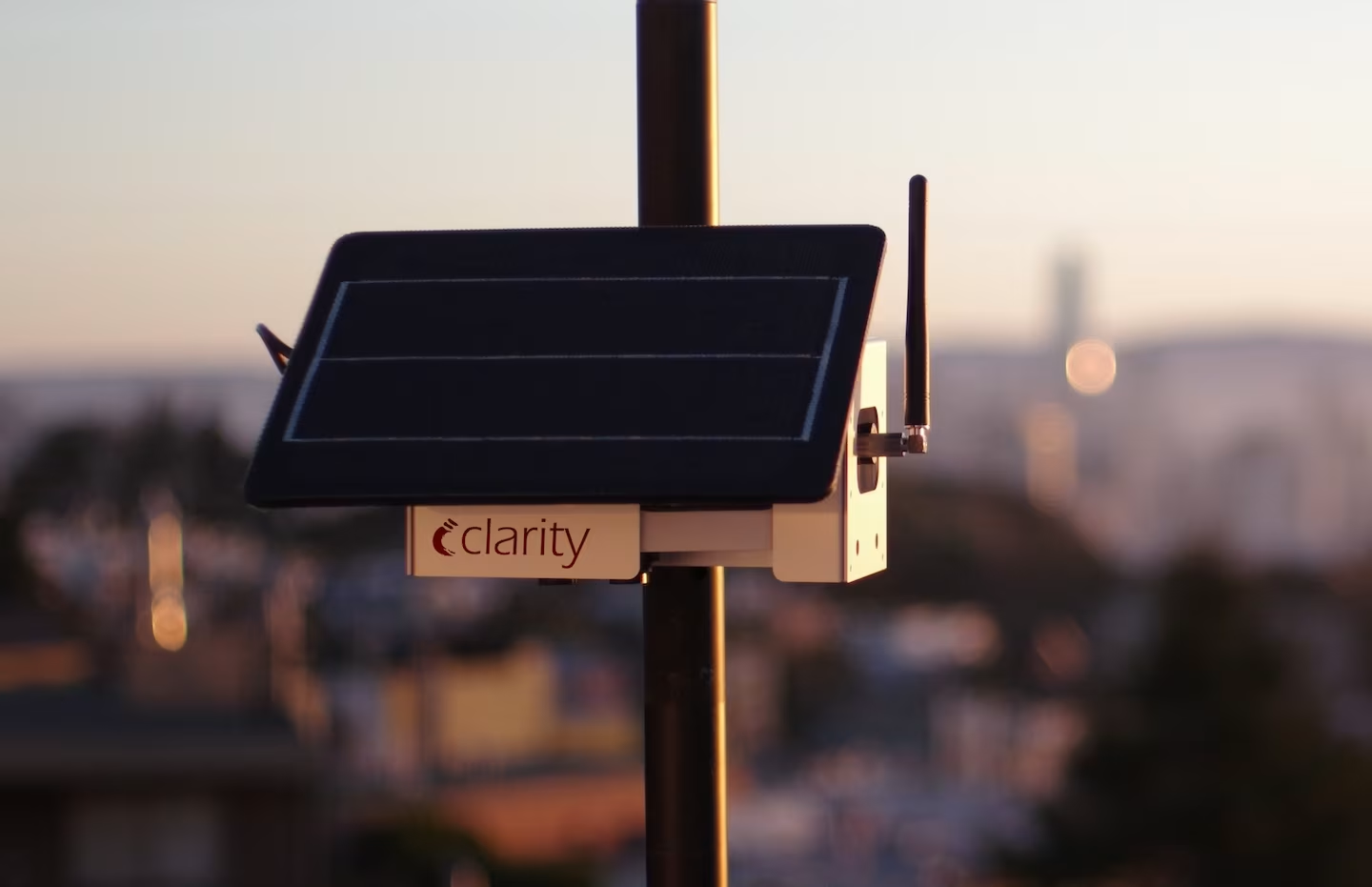
Individual or crowdsourced air quality monitors, on the other hand, are sensors sold directly to individual consumers. This means that citizens can buy these kinds of low-cost sensors to deploy near their homes or anywhere they choose. Occasionally, organizations purchase these kinds of sensors, too, but they often prove problematic for deployment at scale. The data collected from these individual monitors is sometimes put together on a crowdsourced map accessible to the public.
The benefits of networked air quality monitoring systems
While both types of low-cost sensor deployment can provide useful air quality data, there are a few reasons why networked air quality monitoring systems are the better choice for organizations investing in air quality measurement.
Since they are a part of a network, they are usually more standardized than individually purchased sensors. This allows networked sensors to be effectively calibrated, ensuring consistent data quality across the air quality monitoring network. Clarity air quality monitoring networks, for example, leverage automated Quality Control and Remote Calibration to ensure best-in-class data quality across an entire network of dozens or hundreds of sensors.
With one organization responsible for overseeing the sensors, it is easier to enact large-scale quality control, rather than relying on many different citizens who may not be as invested in managing and maintaining their monitors. In Accra, Ghana, for instance, the Breathe Accra project lead, Professor Kofi Amegah, can regularly and easily check the functionality of any sensor in the network. Being able to rely on every monitor equally is essential for implementing large-scale policy decisions.
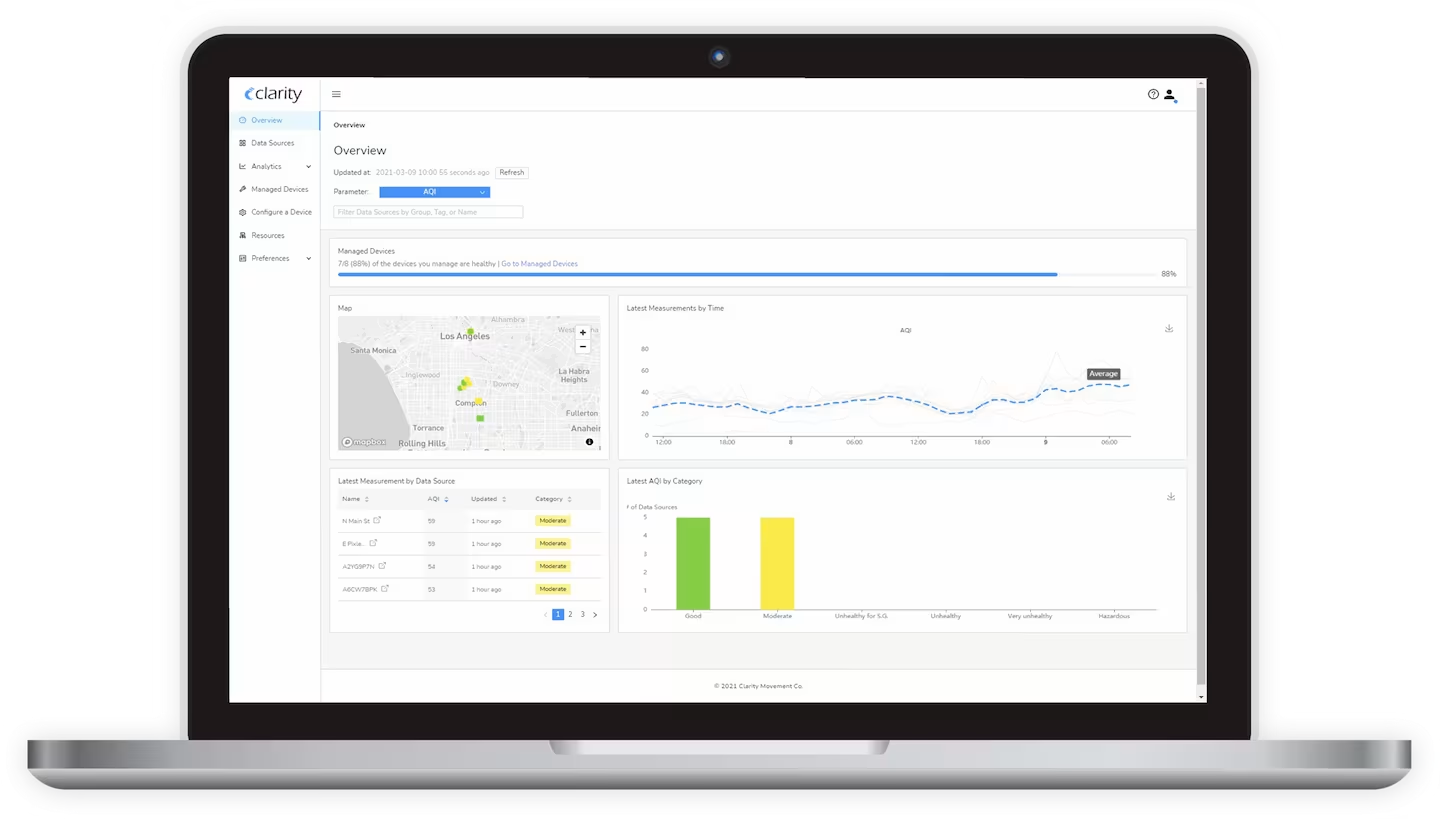
Being at the center of an air quality monitoring system also allows organizations to have greater control over their own air quality data, enabling them to display the information in whatever way they choose. For instance, the city of Yerevan, the capital of Armenia, has its own official custom air quality monitoring dashboard equipped with data from its sensor network. Not only is this dashboard publicly available, but the system supports custom thresholds that can trigger email alerts to inspectors when dust concentrations surge.
Networked air quality monitoring systems mitigate inequality
Implementing a networked air quality monitoring system also allows the main organization to have greater control over sensor placement. It can ensure that monitors are deployed in high-priority locations, with no areas going unmonitored, while others have a great number of monitors. The city of Kathmandu, the capital of Nepal, for instance, can deploy air quality monitors where they are most needed, at hospitals, schools, busy intersections, and more.

A recurring issue with individually purchased air quality sensors, such as PurpleAir, is that they often amass in affluent or predominantly White areas because these are where the individuals who are able to afford them reside. This is especially problematic considering how air pollution predominantly affects lower-income areas and places where there are more people of color.
However, community groups, school districts, philanthropic organizations, and non-profits can implement networked air quality monitoring systems to ensure that sensors are placed more evenly, without neglecting the areas that need them the most. For instance, the air quality monitoring system of the Los Angeles Unified School District (LAUSD) is strategically placed so that every single school within its jurisdiction is located within 1.6 miles of an air quality sensor. While some schools may be more affluent than others, they all have equal access to air quality data.
Looking forward
While both networked air quality monitors and crowdsourced air quality sensors can provide important air pollution data, networked monitors are the best option for creating a lasting impact. Clarity’s sensors are solar-powered, FCC/CE certified, UV-resistant, and weatherproof. They can be used for a variety of monitoring applications, from data center air quality monitoring and wildfire smoke protection, to dense urban networks. Partner with Clarity to install an air quality monitoring network to promote clean air and public health.