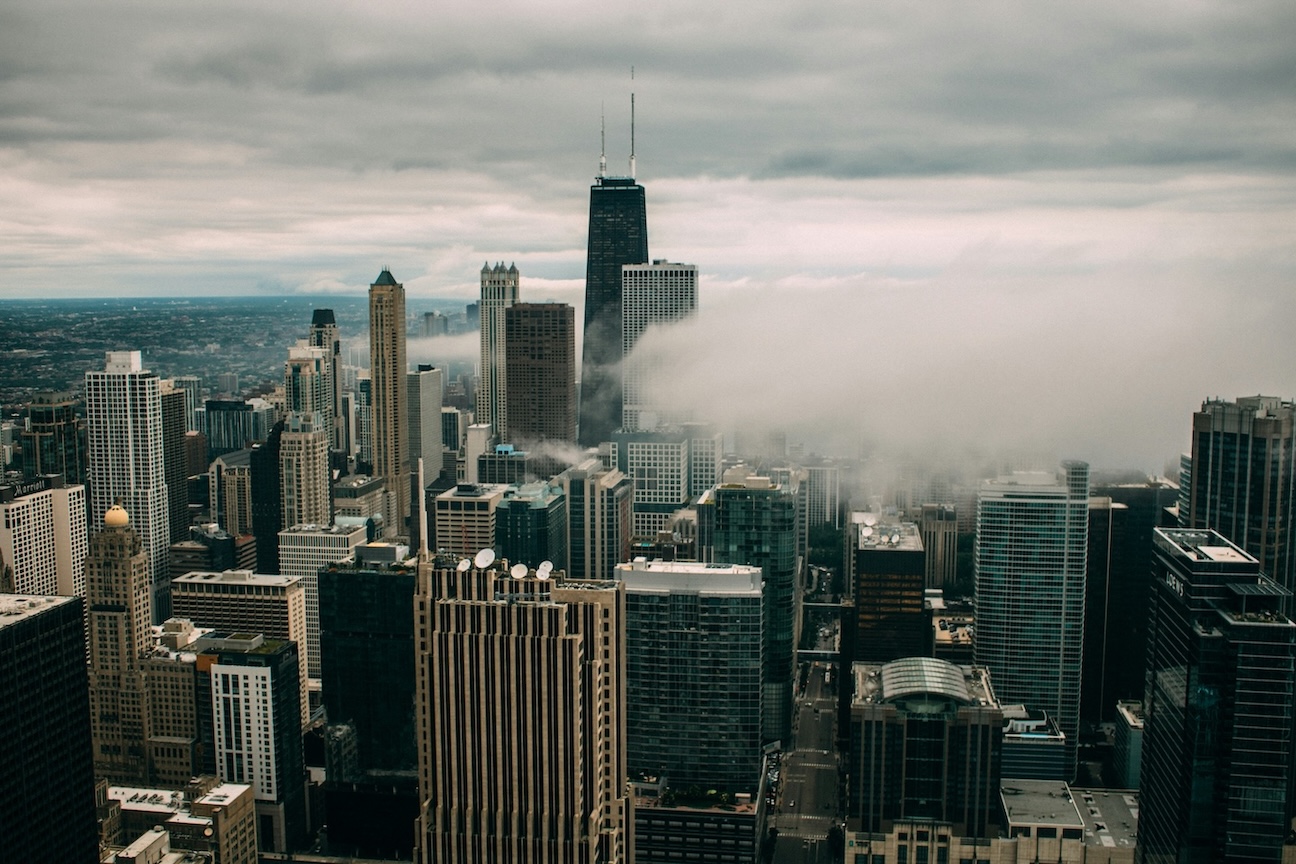
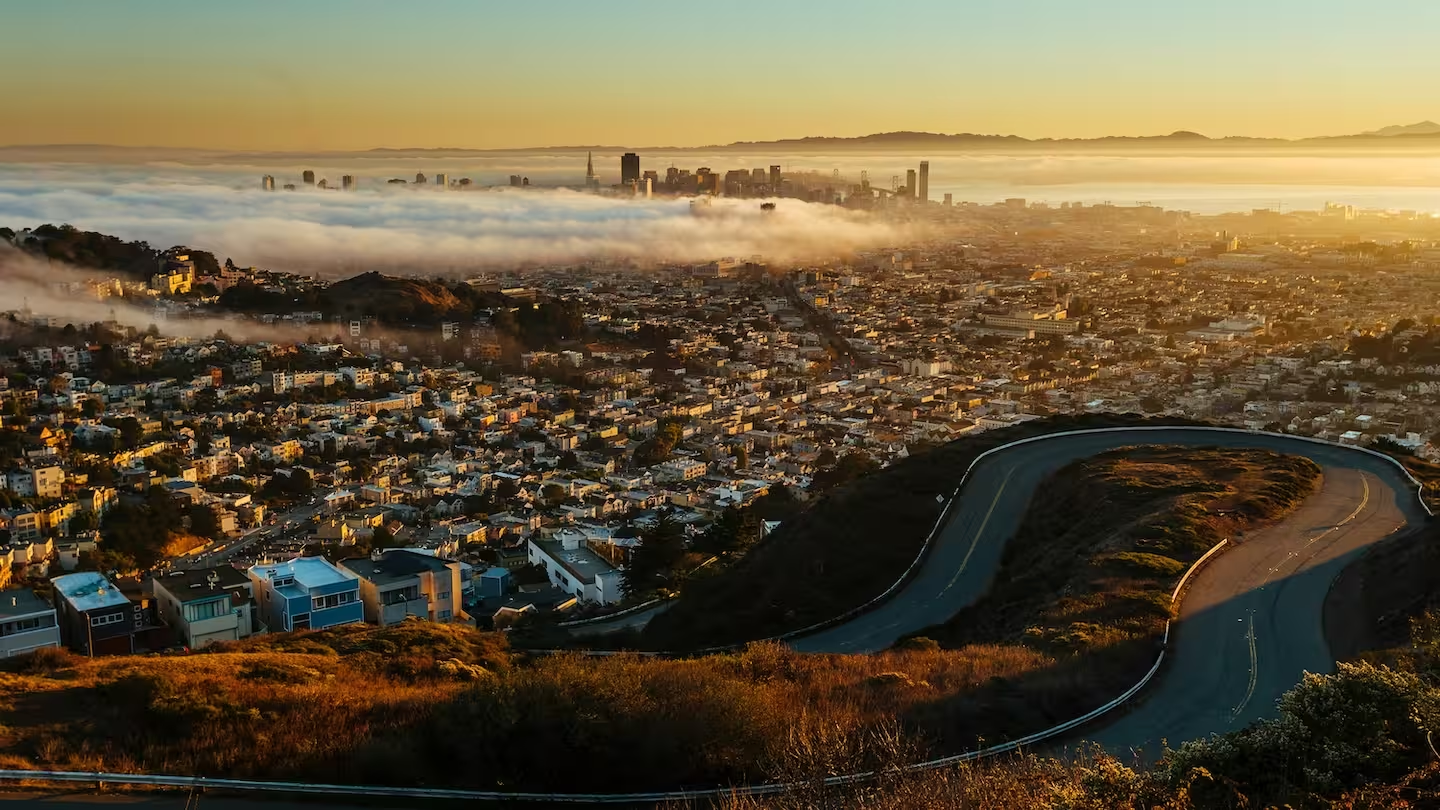
Image provided by Fineas Anton via Unsplash.
TL;DR: Air pollution varies widely across U.S. cities, with areas like Bakersfield, California, facing some of the highest pollution levels, while places like Honolulu, Hawaii, have some of the cleanest air. Communities of color are often more exposed to air pollution in heavily impacted urban areas. Air quality is determined by things like traffic, industry, geography, and climate, but cities can promote clean air through policies like low-emission zones, cleaner transport, and better monitoring.
Learn how leading U.S. cities are tackling air pollution—straight from the experts. Join our upcoming webinar to hear how municipalities are deploying sensor networks, turning data into action, and improving public health outcomes. You’ll get a closer look at real-world strategies, lessons learned, and what’s working on the ground today. Save your spot by registering today and see how cities are building smarter approaches to cleaner air: Chicago, Philadelphia, and D.C.: How U.S. Cities Are Scaling Air Sensor Networks for Next-Generation Air Monitoring.
Why does air quality matter?
Poor air quality is harmful to both human health and the environment. Lung cancer, pneumonia, stroke, ischaemic heart disease, and chronic obstructive pulmonary disease have all been linked to air pollution exposure. Every year, air pollution is associated with 6.7 million premature deaths around the world.
In the United States, 46% of people live in an area that received a failing grade for at least one of the following air pollutants: ozone, short-term particle pollution, and year-round particle pollution. This amounts to roughly 156 million Americans breathing unhealthy air, with 42.5 million people living in areas with failing grades for all three air pollution measures.
Which US cities have the worst air quality?
The Guardian did an air pollution analysis using a model developed by a team of researchers at institutions including the University of Washington. Based on data recorded between 2011 and 2015, they ranked the worst cities for fine particulate matter (PM2.5) air pollution. The three most polluted cities they found were:
- 1. Bakersfield area, California
- 2. South Los Angeles
- 3. Chicago’s South and West Sides
Interestingly, the Guardian’s analysis concluded that the neighborhoods with the worst air pollution are often the same places where Black and Hispanic populations reside. The United States Environmental Protection Agency has similarly found that air pollution exposure is higher for people of color.
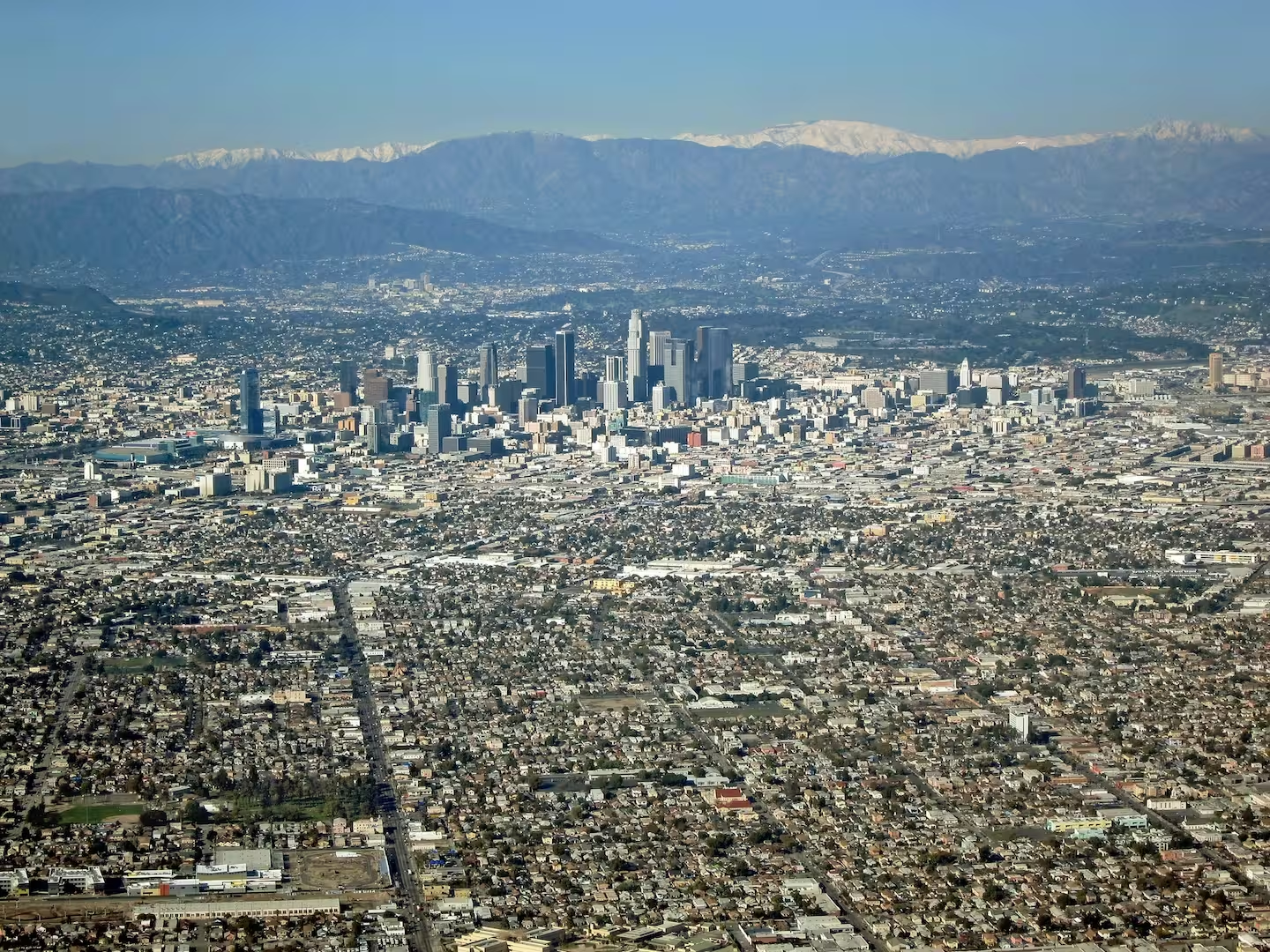
The South and West sides of Chicago are composed of many Black and Hispanic residents. These areas of the city have industrial facilities, sewage treatment plants, landfills, industrial facilities and more contributing to the particulate air pollution. South Los Angeles, which also has a large Black and Hispanic population, has freeways, railyards, warehouses, and major industrial plants that pollute the air.
Bakersfield, California, which has a very large Hispanic and Latino population, ranked as the most polluted area in the United States. It is situated about 100 miles North of Los Angeles. Bakersfield is surrounded by mountains that trap toxic farming chemicals, transportation fumes, and some other pollutants that travel in from the South. Local air regulators have also been accused of being lax with enforcement against industrial polluters in this region.
The American Lung Association’s 2025 State of the Air report similarly found that Bakersfield-Delano, California, ranked the worst in the nation for both short-term particle pollution and year-round particle pollution. However, the State of the Air report’s findings for other cities differed slightly from The Guardian’s findings.

Which US cities have the best air quality?
The 2025 State of the Air report also identified the cities with the best air quality. The cleanest United States cities by year-round particle pollution were:
- 1. Casper, Wyoming
- 1. Urban Honolulu, Hawaii (tied with Casper)
- 3. Kahului-Wailuku, Hawaii
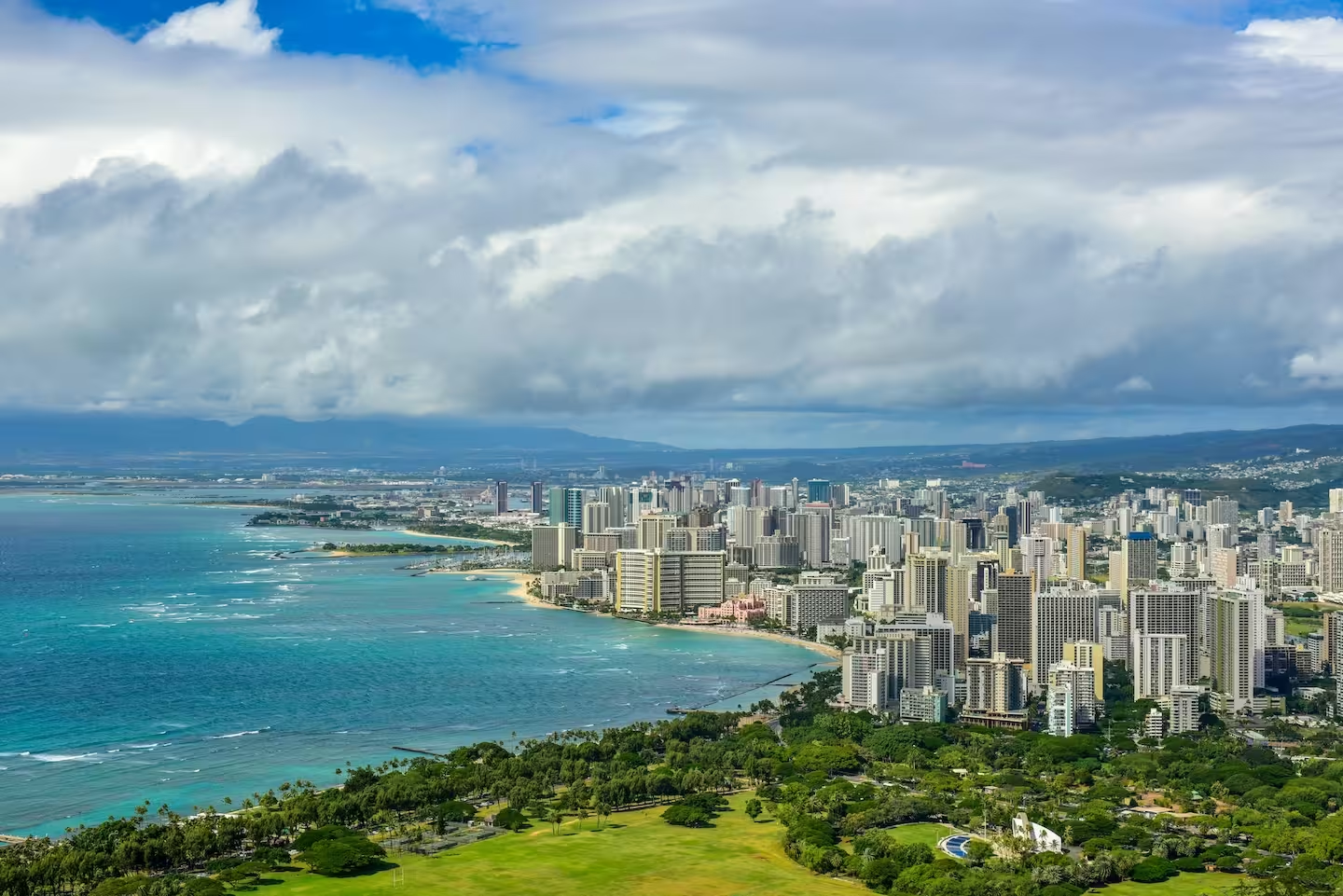
Casper, Wyoming, is a windy city. Wind and rain can help disperse local air pollution. On the other hand, sunlight, heat, and stagnation contribute to unhealthy air. Hawaii also has some of the cleanest air in the nation. However, climate change and volcanic activity can still threaten air quality in certain areas.
How to reduce urban air pollution
The Clean Air Fund identified at least five ways cities can clean up the air we breathe:
- Implementing Low Emission Zones
- Enabling active mobility and greening spaces
- Electrifying public transport
- Phasing out dirty fuels for warming
- Boosting air quality monitoring
Low Emission Zones (LEZs) and congestion pricing restrict or fine high-polluting vehicles within given areas. These zones have successfully reduced air pollution in cities such as London and New York. Expanding active mobility by adding walk spaces and bike paths lowers vehicle traffic congestion. Green spaces reduce particulate matter air pollution and promote active mobility.
Robust public transportation serves as a great alternative to driving, reducing traffic-related air pollution. Electrifying public transportation and encouraging the use of electric vehicles for private transport further decreases air pollution emissions. By phasing out the use of fossil and solid fuels for heating, cities can help shrink the number of air pollutants being emitted from homes in cooler climates.
C40, a global network of city mayors taking action to deliver climate action, and Breathe Cities, an initiative that supports cities around the world in cleaning urban air, are at the forefront of the mission to reduce city air pollution, protecting public health and the environment.
The role of air quality monitoring
Air quality monitoring plays an important role in air pollution reduction by raising public awareness. By showing where and when air quality is poor, residents and policymakers have a greater understanding of the problem at hand. Communities can advocate for change with accurate data backing them, and residents can comprehend any local environmental inequalities.
Air pollution monitoring also supports the development and enforcement of air pollution regulations. Air quality sensors can measure the effectiveness of clean air initiatives and alert authorities to any policy infractions.
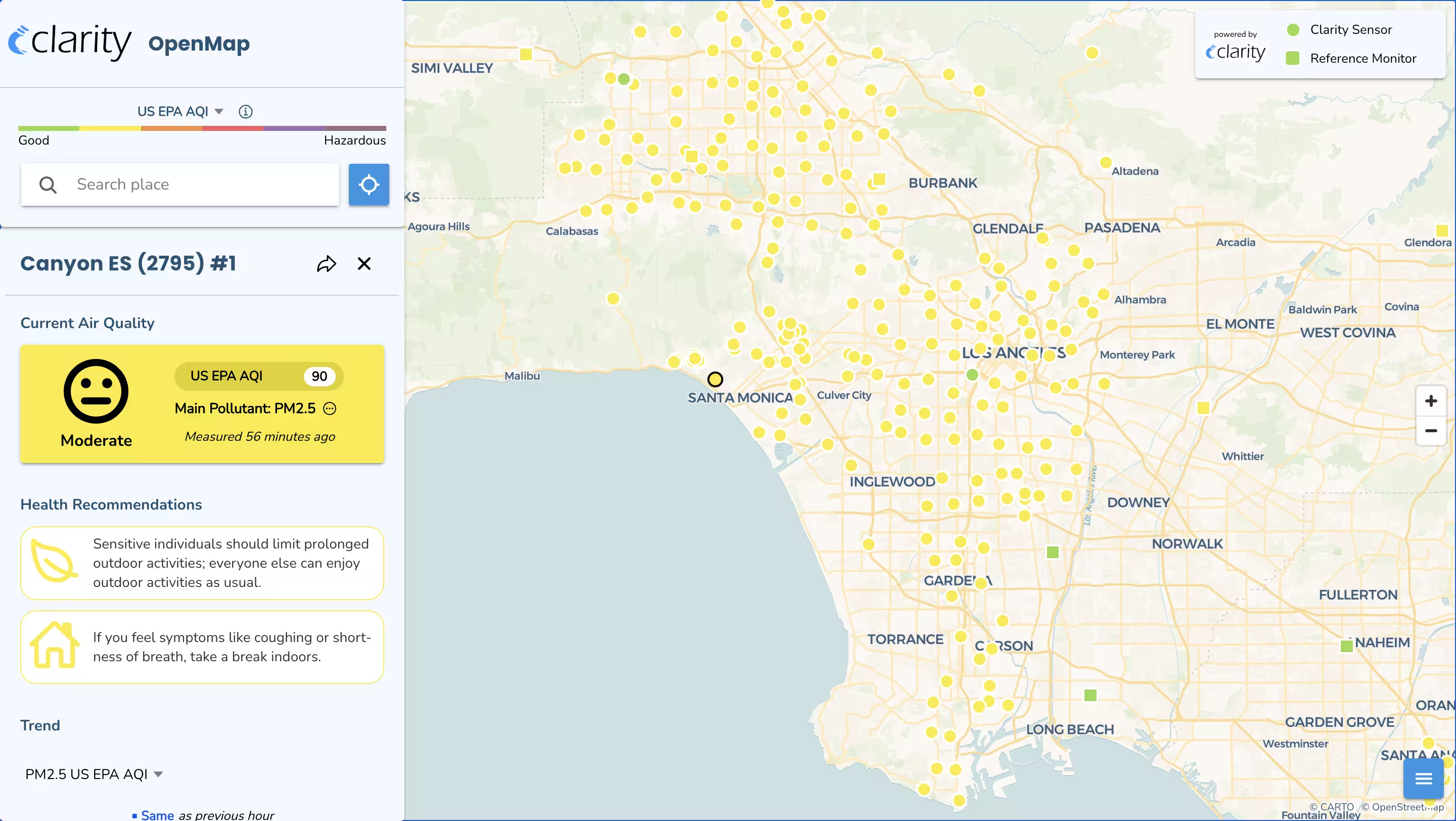
Clarity Movement has robust air quality sensor networks deployed in many cities, both in the United States and around the world, including Los Angeles and Chicago, two American cities with historically poor air quality.
Looking forward
Clean air begins with strong air quality monitoring. Partner with Clarity to implement an air quality sensor network to promote healthy urban air.