
Image provided by ROMAN Z. via Unsplash.
TL;DR: Air pollution does not always stay where it is created. Fine particles like PM2.5 can travel thousands of miles, ozone can form far from where its precursors were emitted, and gases like carbon monoxide can remain in the atmosphere for months. This transboundary movement of air pollution harms human health, ecosystems, and the climate. Accurate air quality monitoring and international cooperation can help reduce its impact.
What is transboundary air pollution?
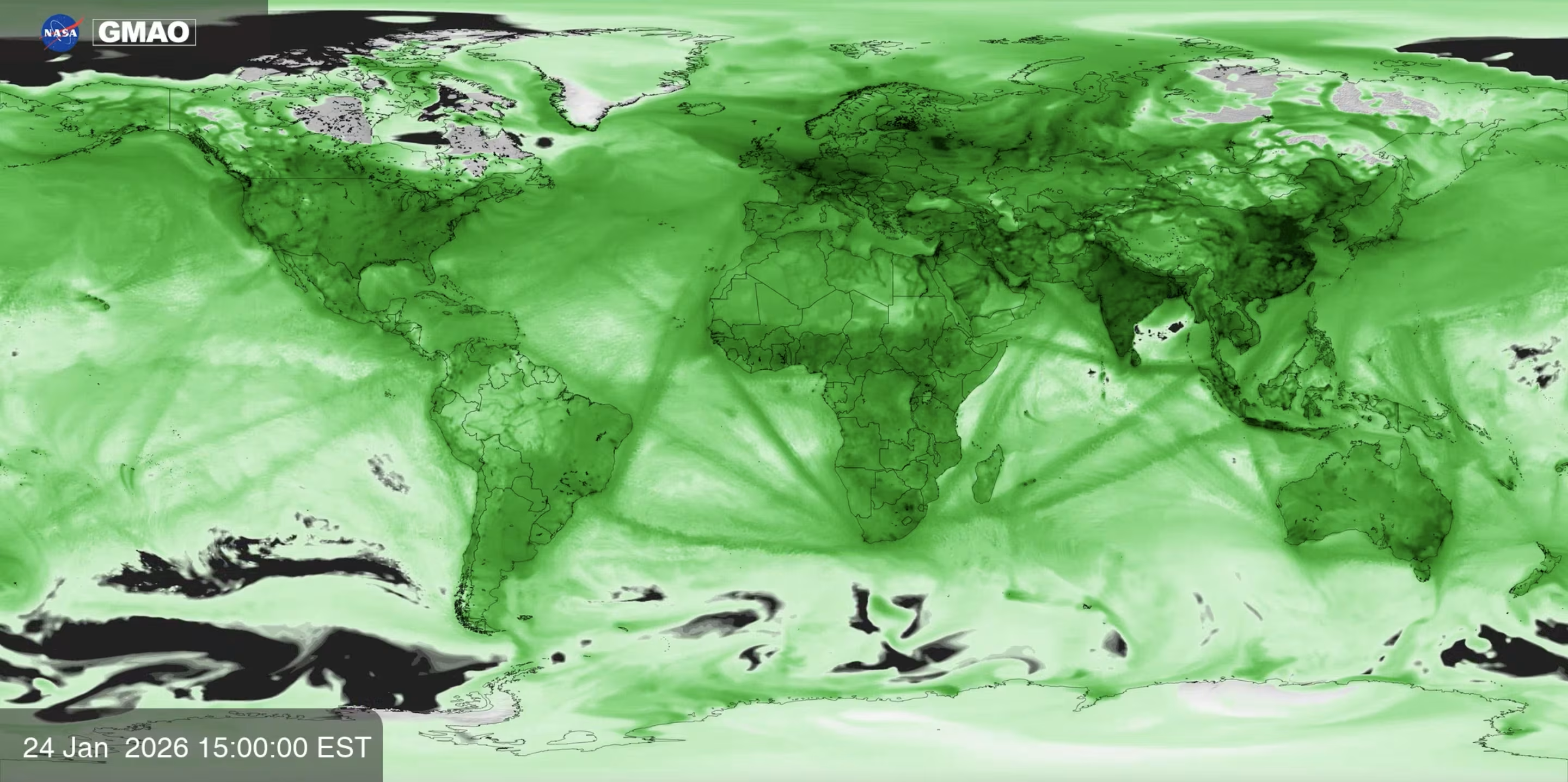
Transboundary air pollution refers to air pollution that extends beyond national or country boundaries. Pollution composition, as well as weather and other atmospheric conditions, can cause air pollution to travel far from its point of origin. Wind plays a major role in pushing air pollutants into distant territories. To varying degrees, transboundary air pollution occurs nearly everywhere in the world, with places such as South Asia and East Asia facing significant levels of this kind of pollution.
In addition to spreading substances harmful to human health, transboundary air pollution also results in environmental effects such as acidification, eutrophication, the formation of ground-level ozone, and the bioaccumulation of toxic substances. Europe’s acid rain problem in the later decades of the 20th century was largely connected to transboundary air pollution.
How far can particulate matter air pollution travel?
Particulate matter refers to any solid or liquid compounds suspended in the air. So, any air pollution that is not a gas, such as black carbon or mining dust, falls under this label. Air pollution that is small enough to be inhaled falls into two broad categories: PM2.5 and PM10. The former refers to particulates with a diameter of 2.5 micrometers or smaller, and the latter refers to particulates with a diameter of 10 micrometers or smaller.
The smaller a particle's size, the longer it can stay in the air and the further it can travel. PM10 can stay in the air for minutes to hours, and can travel between 100 yards and about 30 miles. PM2.5 particulates can stay suspended in the atmosphere for days to weeks, and can travel hundreds or even thousands of miles away from their original source.
Black carbon, or soot, is a type of particulate matter that has serious consequences when it travels into certain areas. While the average atmospheric lifetime of black carbon particles is 4-12 days, it can have devastating impacts on the environment, especially when the air pollutant travels into areas with ice and snow.
Black carbon contributes to global warming up to 1,500 times more than CO2 per unit of mass. When soot lands on icy terrain, not only does it increase the rate of melting, but it also decreases the ice’s albedo, or its ability to reflect sunlight back into space. With arctic shipping causing black carbon emissions in these international waters, the Arctic ice is melting at a faster rate, affecting the climate around the world.
How far can ozone air pollution and ozone’s precursors travel?
Ozone gas is the main component in photochemical smog. Fuel combustion from motor vehicles and other engines results in nitrogen oxides (NOx) and volatile organic compounds (VOCs). These two individual air pollutants react with each other and sunlight in the atmosphere to form ground-level ozone.
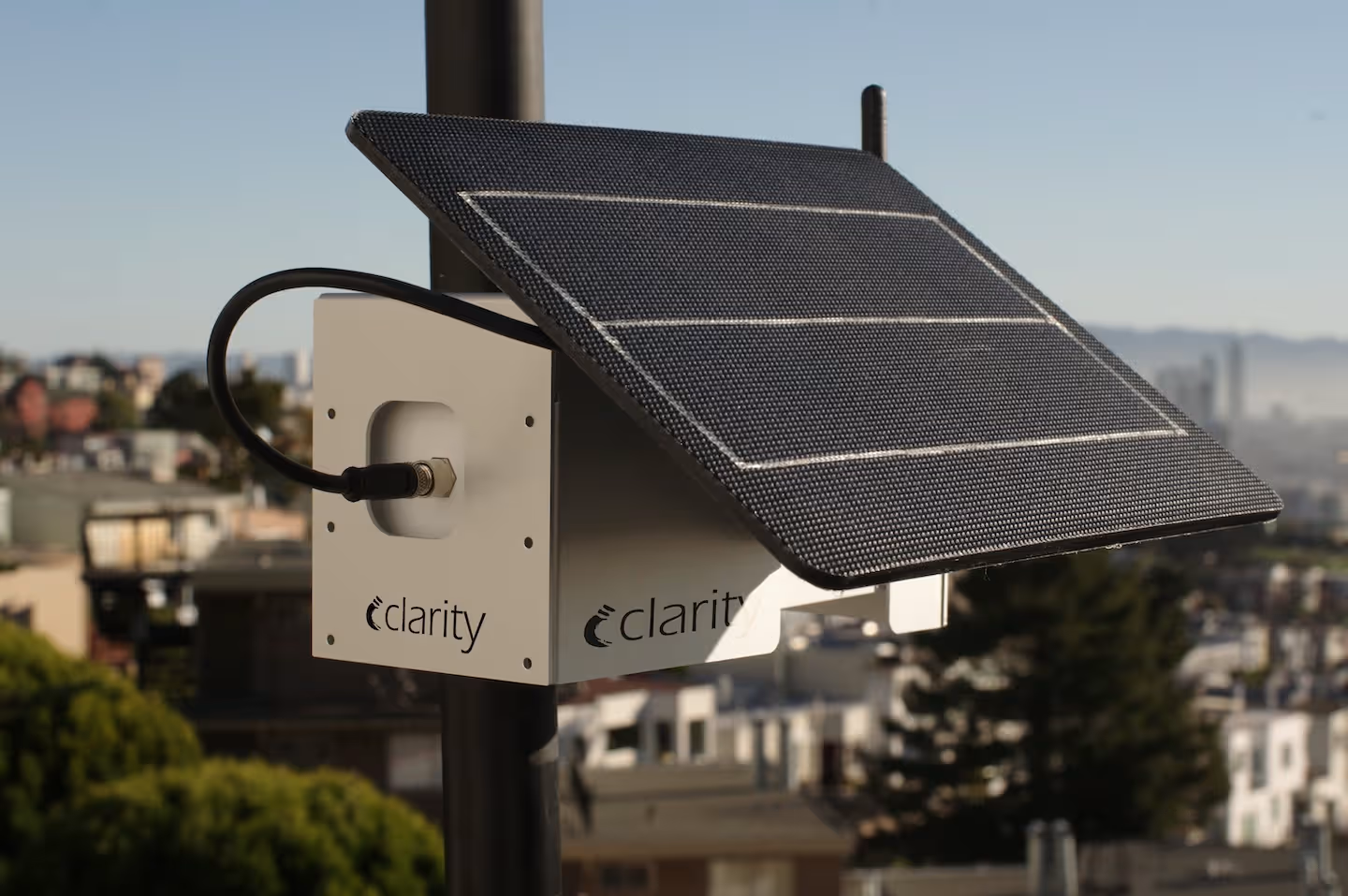
While ozone can be beneficial when it exists in the upper atmosphere, helping protect the planet’s surface from the sun’s ultraviolet rays, ground-level ozone is harmful to both human health and plant health. Clarity’s Ozone Module measures ground-level ozone. The module can be attached to the Node-S air quality monitor.
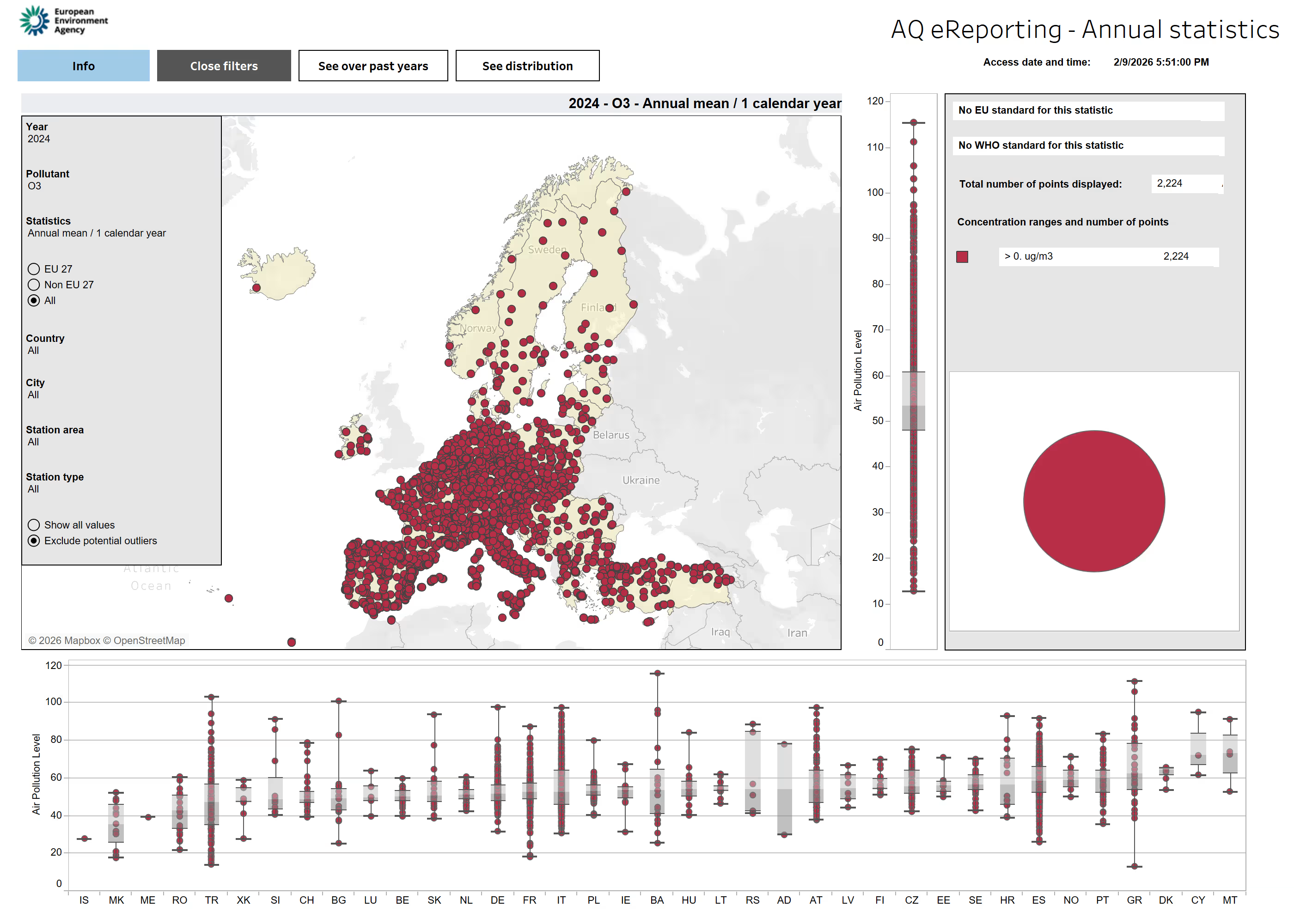
Ground-level ozone can stay in the atmosphere for hours to weeks, often experiencing transboundary transportation. Sunlight, heat, and dry stagnant air can all increase the ozone levels in the lower atmosphere.
Although high levels of ozone are usually found in urban and suburban areas, the photochemical formation of ozone can take a few hours, allowing winds to transport the resulting pollution even before the ozone itself has formed. Maximum ozone concentrations usually occur dozens of kilometers away from the urban areas that contain their main precursors (NOx and VOCs).
Nitrogen oxides (NOx) include both nitric oxide (NO) and nitrogen dioxide (NO2). Nitrogen oxides have a fairly short lifetime in the atmosphere, usually staying for only a few hours. Because of their short lifetime, they tend to remain concentrated near their sources, typically not travelling far across international boundaries in their current forms.
There are many different types of volatile organic compounds (VOCs). Their lifetimes in the atmosphere can range from just a few minutes up to several months. Those with longer atmospheric lifetimes can travel large distances, crossing international boundaries.
How far can carbon monoxide air pollution travel?
Carbon Monoxide (CO) is an odorless and poisonous gas formed by the incomplete burning of carbon-based fuels. When inhaled, this air pollutant reduces the blood’s ability to carry oxygen throughout the body. Although it can be fatal when it builds up indoors, carbon monoxide is still harmful outside, where it can be found in urban areas with heavy vehicular traffic.
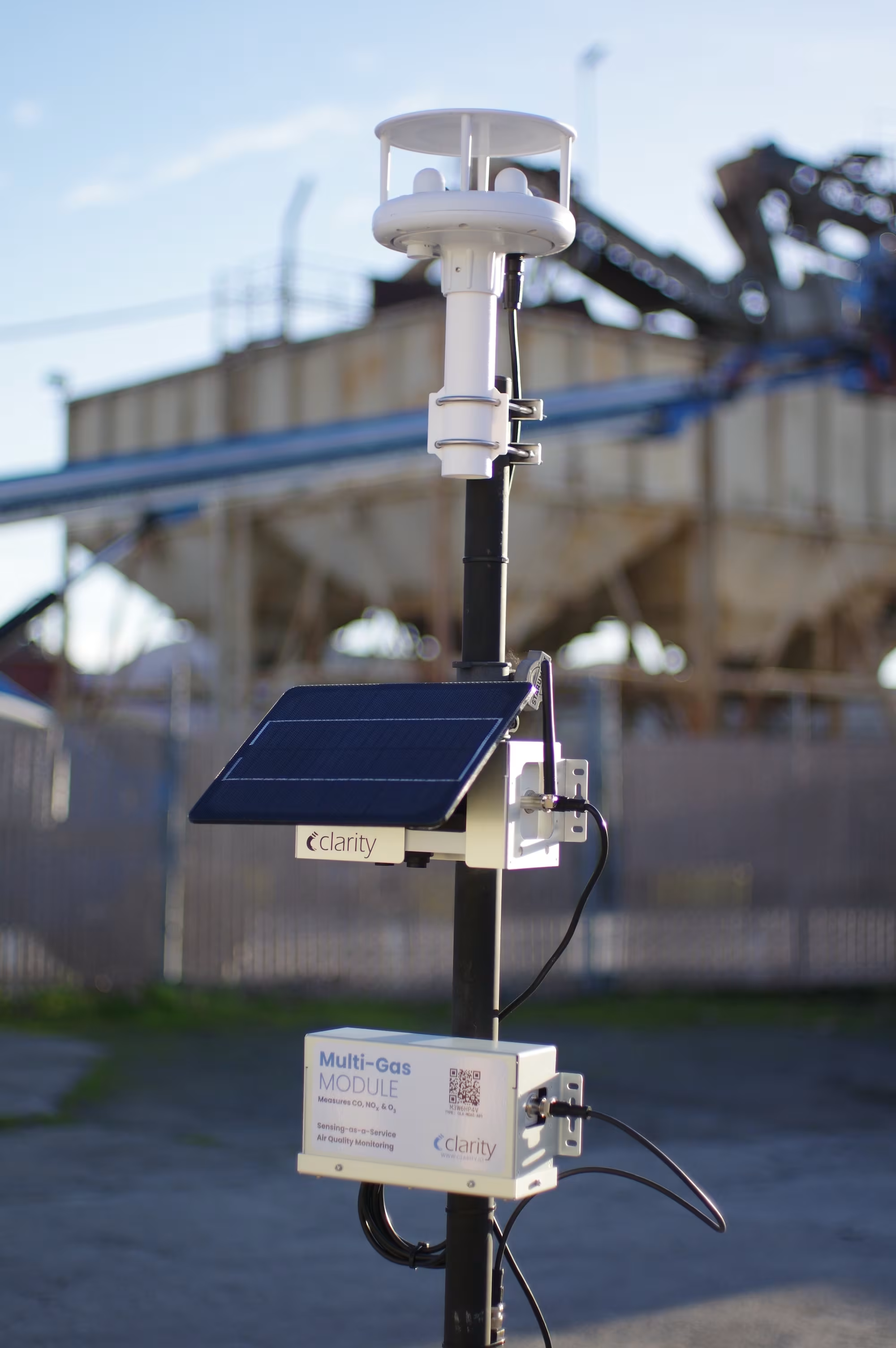
After being released into the air, carbon monoxide remains in the atmosphere for 2 months on average before eventually reacting with other compounds in the atmosphere, converting to carbon dioxide. This relatively long atmospheric lifetime provides an opportunity for wind to spread carbon monoxide across vast distances. For instance, satellite observations show that carbon monoxide emissions from South Asia can make their way over to Tibet by crossing the Himalayas or spreading through the Yarlung Zangbo Grand Canyon.
Combatting air pollution
Combatting transboundary air pollution requires intergovernmental collaboration and proper air quality monitoring. Through policy and open air quality data, emissions can be identified and mitigated. Partner with Clarity today to implement an air quality monitoring system to ensure more people are protected from air pollution.