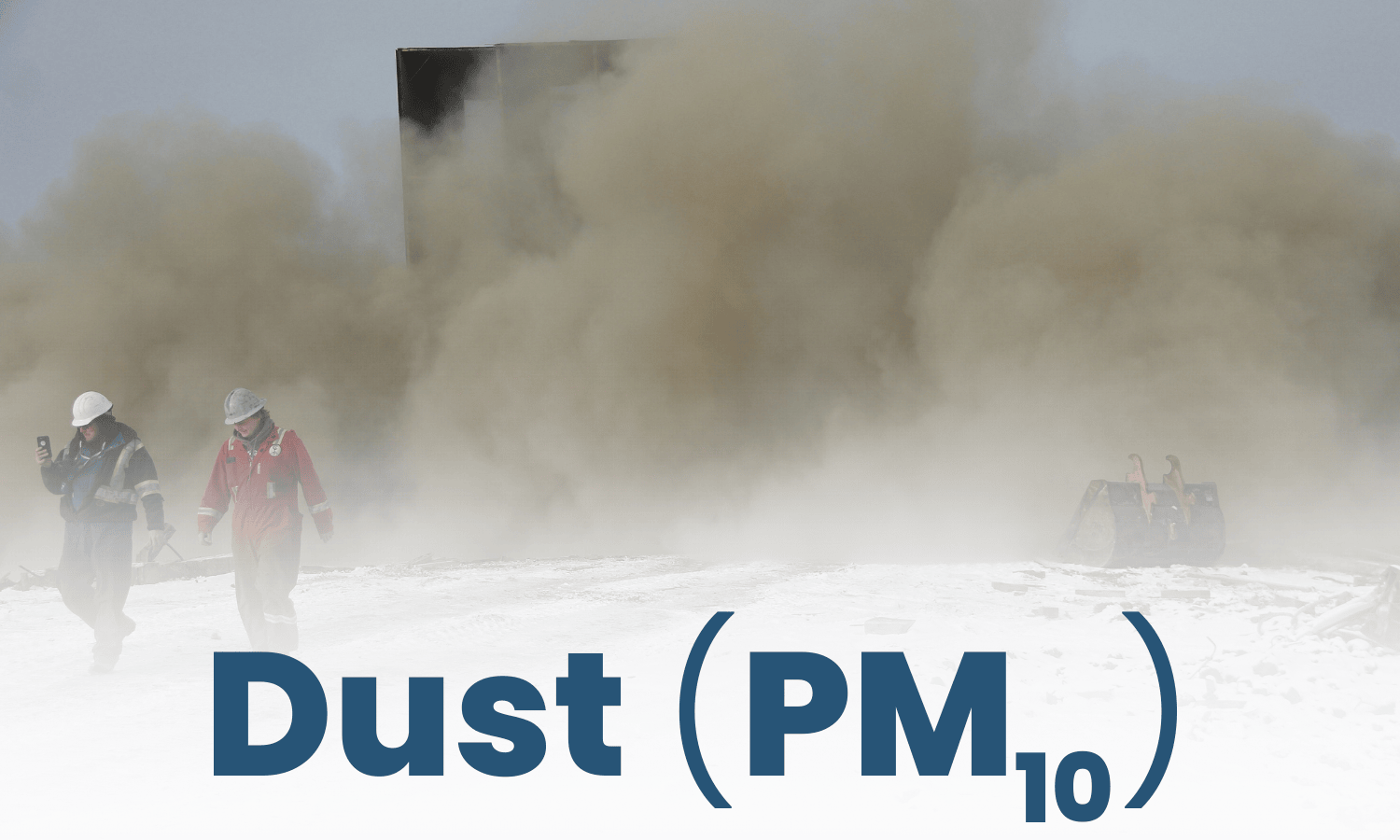
This image is provided by Dan Loran via Unsplash.
TL;DR: PM10 refers to particulate matter with a diameter of 10 micrometers or smaller. These particles come from both anthropogenic sources, like construction and agriculture, as well as natural sources, like wildfires and natural dust events. PM10 can harm respiratory health and damage ecosystems. Regulations limit exposure, but PM10 remains a concern in many areas. Clarity’s Dust Module offers near-reference PM10 measurement with features like solar-powered operation, a heated inlet, humidity control, and seamless integration with the Node-S sensor.
PM10 composition
PM10 refers to particulate matter with a diameter of 10 micrometers or smaller. Particulate matter consists of any solid or liquid particles suspended in the air. Some particles may be dry fragments, while others are droplets of liquid, and some are solids covered in a liquid coating.
The particles vary in shape, size, and composition, including a combination of different materials and chemical compounds rather than a single substance. PM10 can include inorganic ions, elemental carbon, metallic compounds, and mineral dust. More colloquially, particulate matter can contain things such as pollen, ash, soot, mold, and dirt.
PM10, also referred to as dust, is one of two commonly regulated forms of particulate matter air pollution. The other is PM2.5, which refers to particulate matter with a diameter of 2.5 micrometers or smaller. Both PM10 and PM2.5 are small enough to be inhaled.
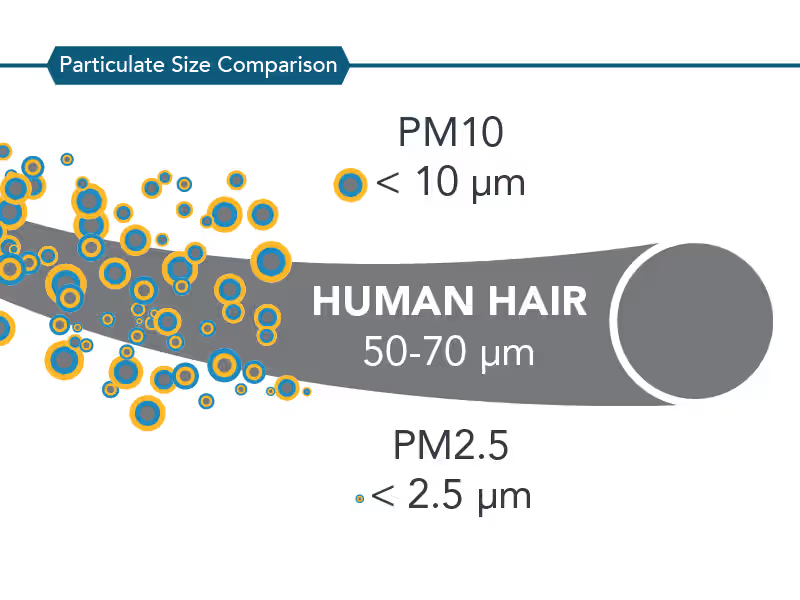
PM10 vs. PM2.5: what's the difference?
PM10 and PM2.5 are both types of particulate matter, however they vary in size.
PM10 sources and distribution
Just as there are many different substances composing PM10, there are many different sources of PM10 air pollution. Natural sources can include dirt, plant matter, sea salt, and sand kicked up by the wind. Sandstorms tend to occur in arid and semi-arid regions.
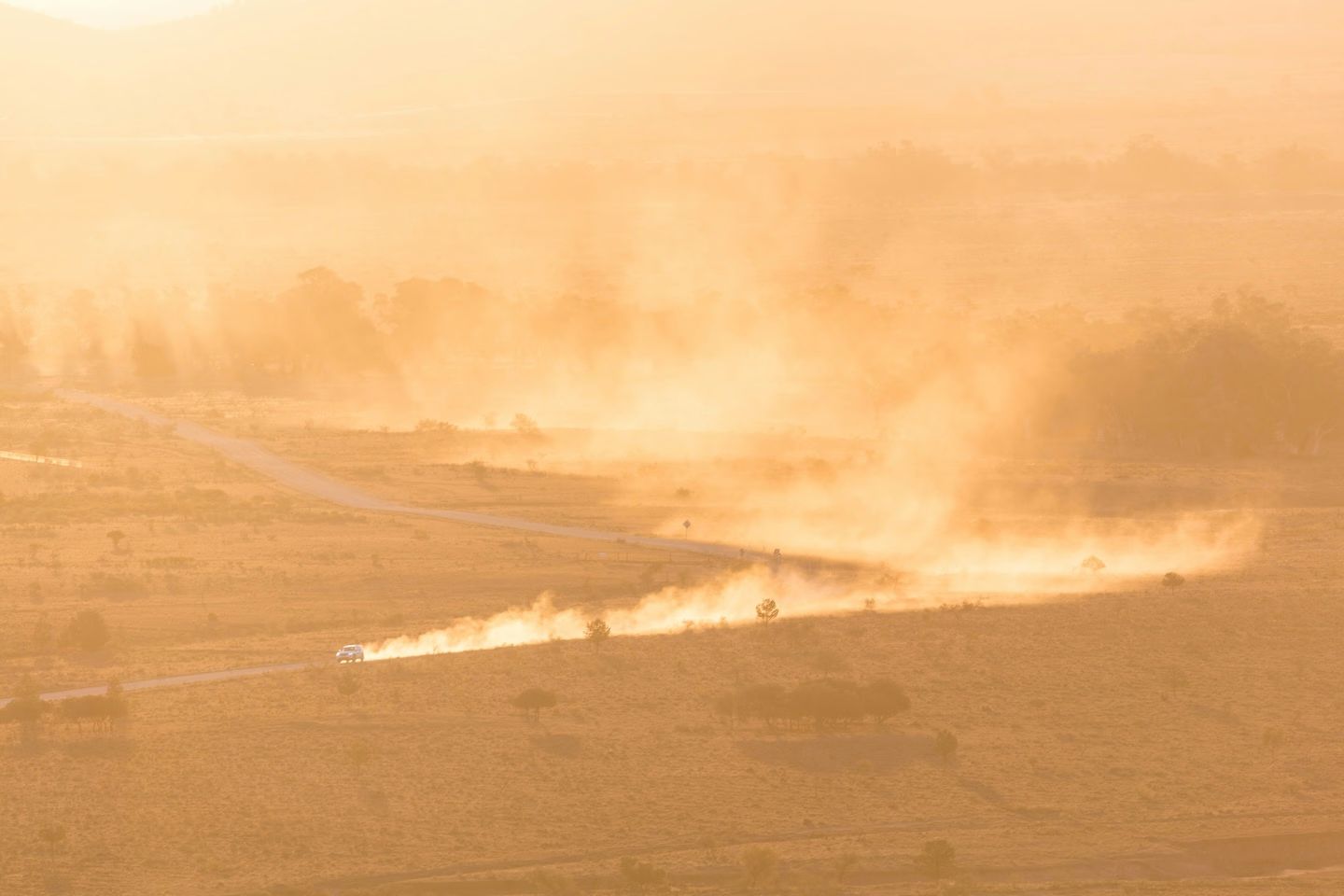
Wildfires contribute significantly to PM10 air pollution in the form of ash and soot, which can fall to the ground and linger long after the fires have been put out. Volcanoes even contribute to PM10 air pollution emissions by sending lava fragments and volcanic salts into the air.
In the UK, approximately 15% of the PM10 concentrations people are exposed to come from natural sources, with this number possibly being higher in other places. Some estimates even place as much as 75% of global dust emissions on natural sources. Although many regulatory bodies do not enforce standards on naturally occurring sources of PM10 air pollution, naturally occurring PM10 can still be dangerous to human health.
Anthropogenic (man-made) sources of PM10 air pollution often come from activities that involve cutting, grinding, or blasting materials. This makes industries such as construction and mining produce significant amounts of PM10 air pollution, potentially harming both workers and surrounding communities.

Inefficient material storage and handling, as well as land management practices, can also lead to PM10 emissions. Agriculture can result in PM10 air pollution through excessive land tilling, burning, and even manure build-up.
Vehicles and traffic can additionally contribute to PM10 emissions. Both diesel engines and tire abrasion significantly contribute to both PM10 and PM2.5 air pollution. Driving on unpaved roads can also disrupt the dirt, sending dust flying into the air.
How PM10 impacts human health
Although PM2.5 can settle deeper into the lungs due to its smaller size, PM10 particles are still small enough to pass through the nose and throat, able to deposit throughout the airways and the upper regions of the lung. PM10 particles can cause tissue damage and lung inflammation. They harm the respiratory and cardiovascular systems, leading to a variety of consequences.
On the milder side, exposure to PM10 can aggravate the eyes, nose, and throat. In more extreme cases, PM10 air pollution can lead to reduced lung function and worsen respiratory diseases, including bronchitis and asthma. Dust air pollution increases the number of hospitalizations. It can lead to faster disease progression and cause premature death.
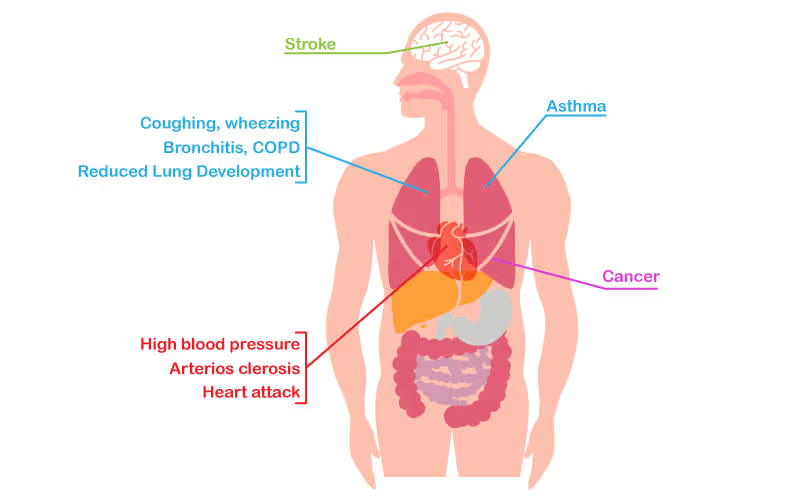
Long-term exposure to PM10 air pollution can increase one’s risk of developing lung cancer and various forms of chronic obstructive pulmonary disease (COPD). Long-term exposure is especially prevalent for people whose occupations put them in proximity to PM10 air pollution. Miners, for instance, might face chronic exposure to coal dust, which can lead to simple coal workers’ pneumoconiosis (CWP), also known as black lung disease, as well as progressive massive fibrosis (PMF) and COPD.
Some types of PM10 are particularly harmful. Asbestos and silica particles can scar and damage lung tissue. The resulting thickened tissue can prevent the lungs from working as they should and lead to shortness of breath. This type of lung disease, known as pulmonary fibrosis, worsens over time and has no cure. Although pulmonary fibrosis can be fatal, disease progression can be slowed, and symptoms managed. Other types of PM10, such as heavy metal particulates and even forest fire ash, can also be more harmful than other kinds of PM10.
Environmental impacts of PM10
The environmental impacts of PM10 can largely depend on the composition of its particulates. In some circumstances, PM10 can settle in natural bodies of water, making them more acidic and changing their nutrient balance. When PM10 air pollution settles on soil, it can deplete nutrients within it. It can damage sensitive plants, affecting the diversity of ecosystems. The metal and organic compounds within the PM10 have the strongest potential to affect plant growth. Particulate matter can even contribute to acid rain.

PM10 air pollution can also reduce both the safety and total amount of agricultural production. This directly affects the incomes of the farmers who depend on fruitful crops. Moreover, when PM10 particulates land in reservoirs, they can bring toxins that affect both the quality and availability of the drinking water within. PM10 can even erode and soil materials when particulates land on their surface.
Certain types of PM10 can contribute to global warming. For instance, PM10 can contain black carbon, also known as soot, which absorbs solar heat and has a warming effect 460-1,500 times stronger than CO2 per unit mass. Other types of PM10, such as nitrate and sulfate particulates, can actually have a temporary cooling effect by increasing the earth’s ability to reflect sunlight back into space. However, these types of particulates tend to mask the effects of global warming rather than solve the problem.
Regulation of PM10
Since 1987, the World Health Organization (WHO) has periodically issued air quality guidelines to assist governments around the world in reducing human exposure to air pollution. The latest guidelines were issued in 2021, and they include recommendations for PM10 air pollution levels. The guidelines recommended that the annual average concentration of PM10 air pollution should not exceed 15 μg/m3, and the 24-hour average concentration should not exceed 45 μg/m3.
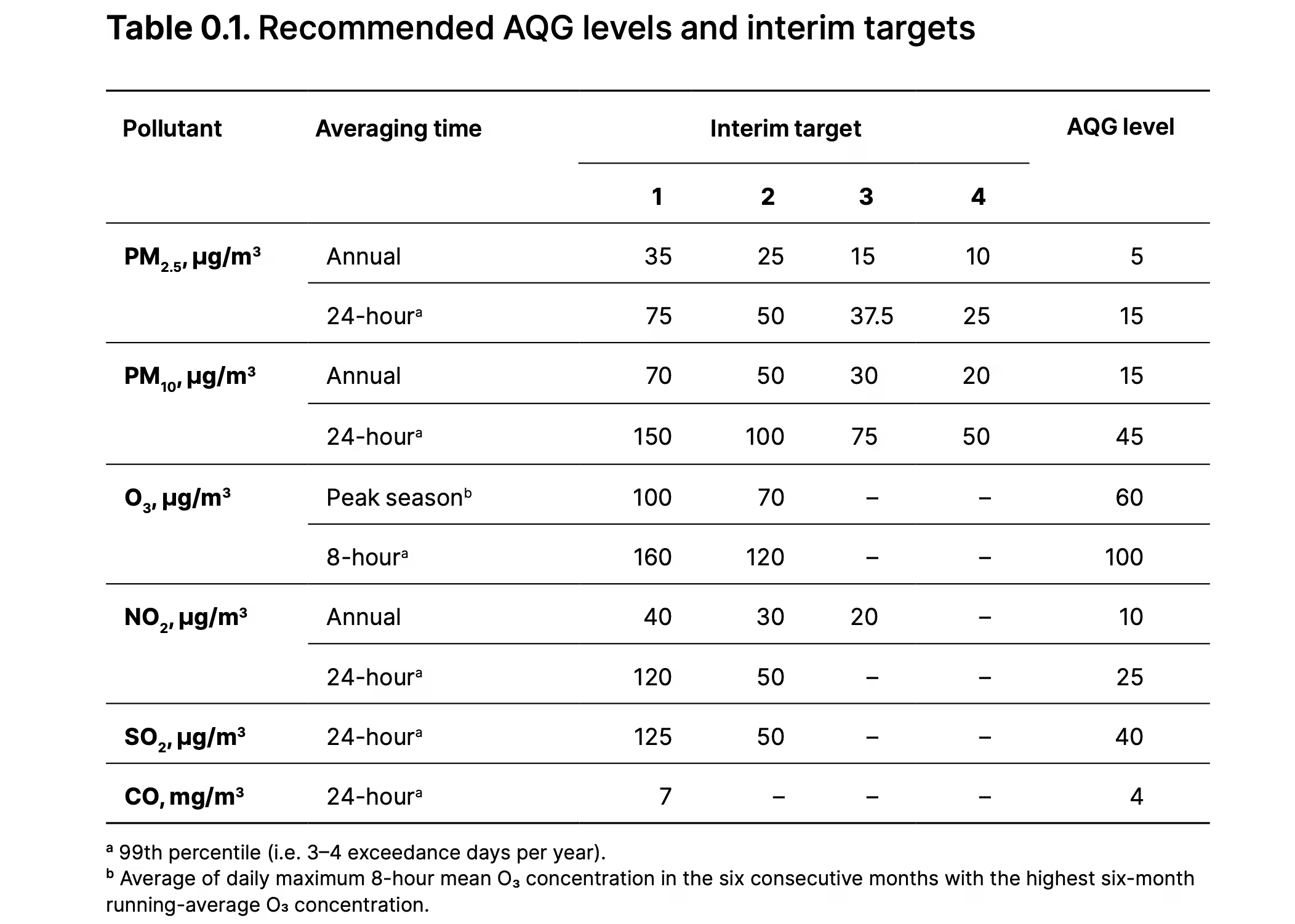
The United States also has its own National Ambient Air Quality Standards (NAAQS), established by the Clean Air Act. For PM10 air pollution, the NAAQS primary and secondary 24-hour standard is 150 µg/m³. This means that on any given day, the average concentration of ambient PM10 air pollution should not exceed 150 µg/m³ more than once per year on average over a period of three years. Primary standards are meant to protect public health, whereas secondary standards are meant to protect public welfare, including things like visibility and damage to crops, animals, and property.
Use cases for measuring ambient PM10 air pollution
Measuring PM10 air pollution is especially useful near emission-heavy industries, such as mining, construction, and even other industrial activities, such as metallurgy, mineral products manufacturing, waste management, and woodworking.
Workers in these industries can face significant occupational hazards from exposure to PM10 air pollution. Every year, more than 300 US workers die from silicosis, a form of pulmonary fibrosis associated with exposure to silica dust. About 2.3 million people are exposed to silica in the workplace in the United States alone, with the vast majority of these workers employed in the construction industry.
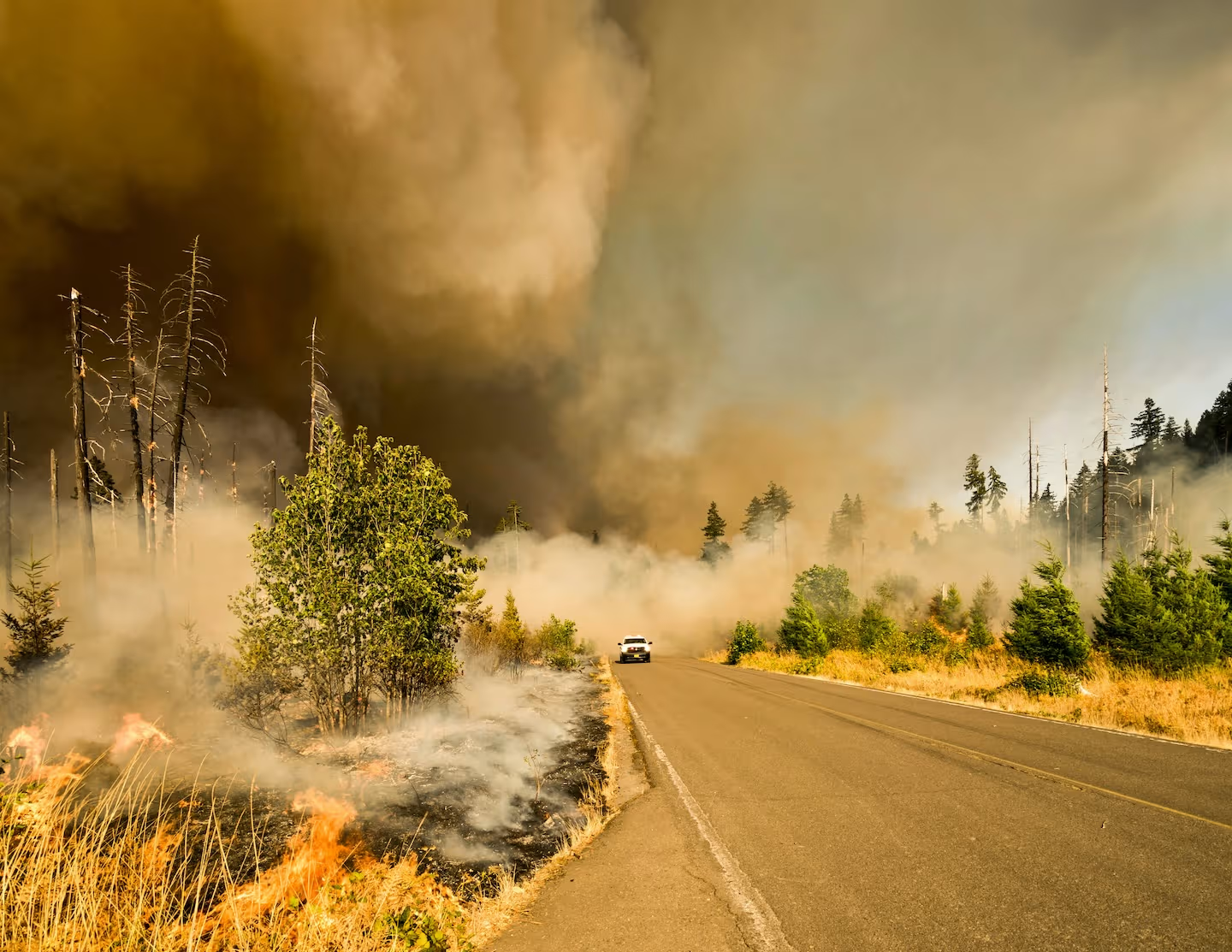
Measuring PM10 air pollution is also useful in areas where wildfires have occurred. Particulate matter from wildfires can contain heavy metals, asbestos, and other harmful materials when they burn man-made structures in addition to natural landscapes. These fires are known as Wildland-Urban Interface (WUI) fires, and they are growing more common. Ash and particulates from wildfires can furthermore linger long after the fire itself has gone out, making it important to monitor PM10 levels in burned areas.
Human action can also cause increased PM10 emissions in natural habitats. For instance, Mono Lake is the largest active source of human-caused dust air pollution in the United States. Although this is a natural lake, the city of Los Angeles has been diverting water from the creeks that would naturally flow into it, causing the lake’s water levels to drop, and the remaining dry lake bed emits significant PM10 air pollution with strong winds.
Bad agricultural practices can additionally lead to land degradation and soil erosion, and drought susceptibility. This increases the likelihood of windblown dust, as it did in the Great Depression with the rise of the Dust Bowl. This phenomenon is even more worrying given the onset of climate change, which increases the risk of desertification in some areas.
Real-world dust & PM10 monitoring in action
Yerevan, Armenia
Yerevan's rapid construction boom was driving dust pollution to dangerous levels across the city. In response, the city mandated that all major construction sites continuously monitor particulate matter, and partnered with Clarity to deploy over 170 solar-powered Node-S sensors across all 12 districts, making it one of the largest city-run air quality networks in Europe.
Real-time data is publicly accessible and feeds directly into enforcement: when dust levels exceed legal thresholds, inspectors are automatically alerted. The network has changed contractor behavior, strengthened environmental regulations, and positioned Yerevan as a regional leader in smart city air quality management.
After the installation of the equipment, public discussions about air pollution intensified. This led to new regulations and stricter administration, especially in the construction sector.”
— Sargis Manukyan, Director of the Technology Management Center of Yerevan City
Almaty & Bishkek, Central Asia
Both Almaty and Bishkek sit in mountain valleys that trap air pollution. In Bishkek, air pollution levels often exceed safe limits by up to 30 times during winter, according to the WHO air quality guidelines.
As part of the Almaty-Bishkek Economic Corridor Clean Air Initiative, 100+ Clarity Node-S sensors were deployed across the two cities to track particulate matter and establish a reliable air pollution baseline. The data powered World Bank and UNICEF research studies, directly informed Clean Air Action Plans, and helped unlock over $50 million in funding for air quality improvements in the region.
When residents have access to information and know what level of air pollution is today, yesterday, and tomorrow, it helps to raise the issue of environmental safety in the cities and demand some measures. Or to make some small decisions at a personal level, such as insulating your house, wearing a mask, or not burning leaves.”
— Azhar Baisalova, Project Manager, MoveGreen Bishkek
How is ambient PM10 monitored?
Federal reference monitors (FRMs) and equivalent methods are the gold standard for particulate matter air quality monitoring. They provide the most accurate measurements and are used for regulatory monitoring under the National Ambient Air Quality Standards (NAAQS). However, FRMs and FEMs are very expensive, and FRMs in particular do not provide real-time air quality monitoring.
Low-cost air quality sensors, which typically use Optical particle counters (OPCs) or Nephelometric sensors, fix many of the issues that come with traditional regulatory monitors. Used for non-regulatory supplemental and informational monitoring (NSIM) applications, low-cost sensors are relatively affordable compared to FRMs and FEMs. They also offer near real-time monitoring, which is especially important during rapidly changing air quality events, such as wildfires. Low-cost sensors can be deployed in large networks that allow for hyperlocal air quality data and pollution hotspot identification.
Unfortunately, most low-cost particulate matter air quality sensors estimate PM10 levels based on the PM2.5 levels present, making for a less reliable measurement of PM10 air pollution. Yet, Clarity’s Dust Module uses enhanced optical detection and a heated inlet to provide highly accurate PM10 measurements in a variety of climates and dust concentrations.
Clarity’s PM10 measurement solution: The Dust Module
Clarity offers near-reference measurement of coarse particulate matter (PM10) in the form of our new Dust Module. This module is optionally solar-powered and very accurate, providing near-reference quality air pollution data. It attaches seamlessly to Clarity’s flagship solar-powered Node-S air quality sensor, which measures fine particulate matter (PM2.5) and nitrogen dioxide (NO2).
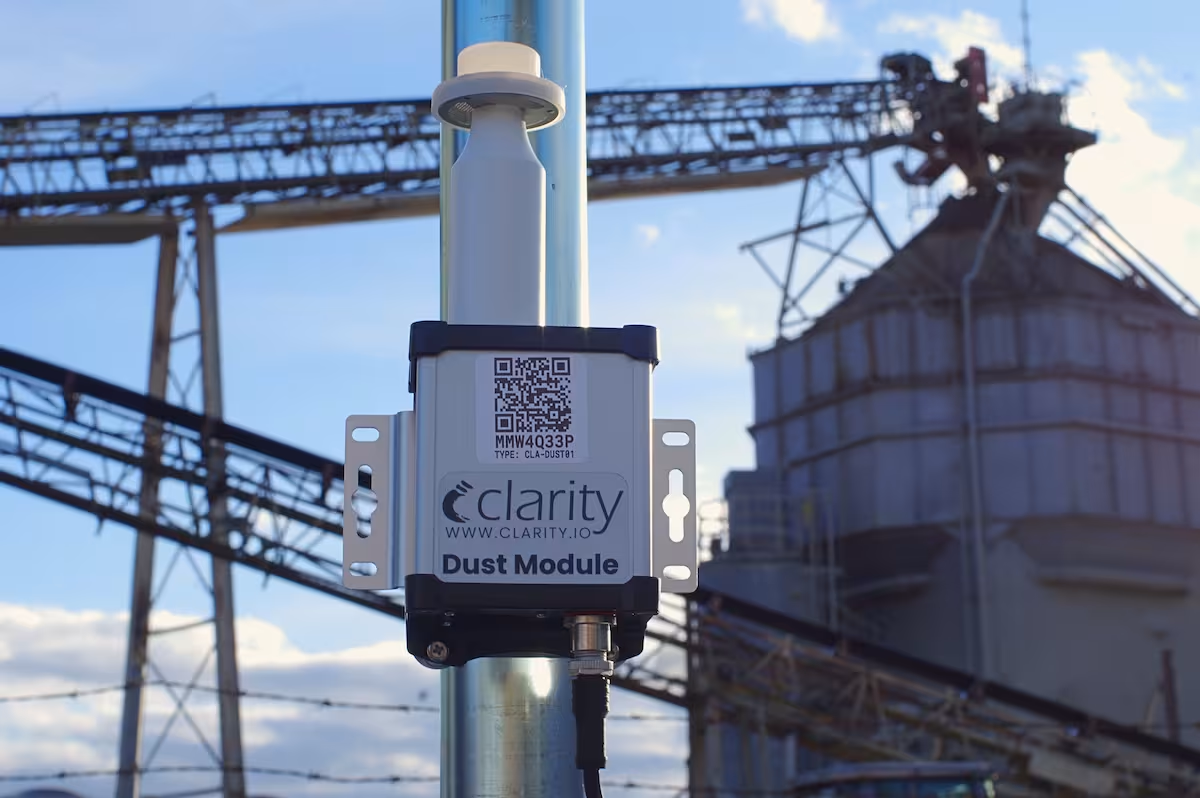
Clarity’s Dust Module has a dedicated PM10 inlet, robust humidity control, and cloud-based QA/QC.
If you’re interested in measuring PM10 with the Dust Module, feel free to reach out to learn more from our team!