
Photo by Rick Barrett on Unsplash
TL;DR: PM10 refers to inhalable particles 10 micrometers or smaller that can enter the lungs and harm your health. Exposure can trigger irritation, worsen asthma and heart disease, and lead to serious illness over time. Children, older adults, and people with chronic conditions are especially at risk. To stay safe, check local air quality, wear a mask when needed, and keep indoor air clean. Tools like Clarity’s Dust Module help track PM10 levels and guide action.
What is PM10 air pollution?
Particulate matter refers to any solid or liquid matter suspended in the air. Particulate matter is not made up of a single substance, but instead a combination of many different non-gaseous substances. Some types of particulate matter are so small that they can be inhaled.
Inhalable particulate matter is often separated into two categories, PM10 and PM2.5. PM10 refers to any particulates with a diameter of 10 micrometers or smaller. PM2.5 refers to any particulates with a diameter of 2.5 micrometers or smaller. Both types of particulate matter are significantly smaller than the width of a human hair.
Both types of particulate matter are also significantly harmful to human health. PM10 particles are small enough to pass through the nose and throat when inhaled and even enter the lungs. PM2.5 is even smaller. When inhaled, PM2.5 particles can enter deep into the lungs and even get into the bloodstream. The health effects of PM2.5 are well-documented, yet PM10 can also be very dangerous, especially with long-term exposure.
How does PM10 affect human health?
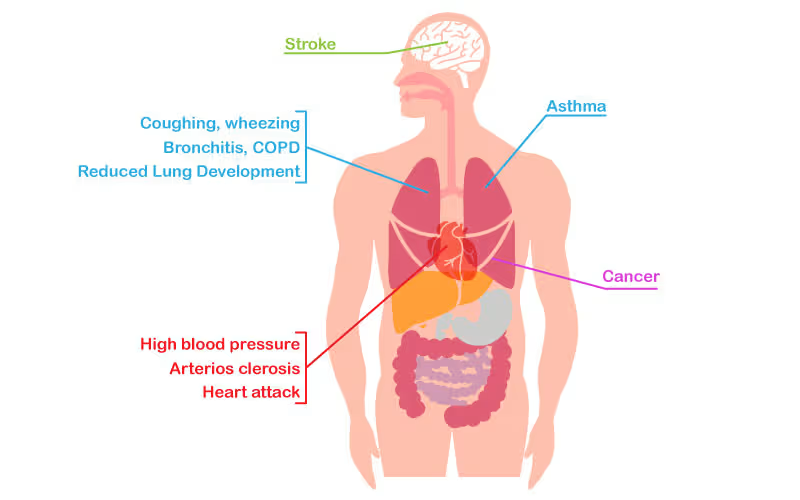
PM10 particles can deposit throughout the airways and the upper regions of the lung, where they can cause tissue damage and lung inflammation, harming the respiratory and cardiovascular systems. On the milder side, PM10 exposure can irritate the eyes, nose, and throat, and cause coughing and wheezing.
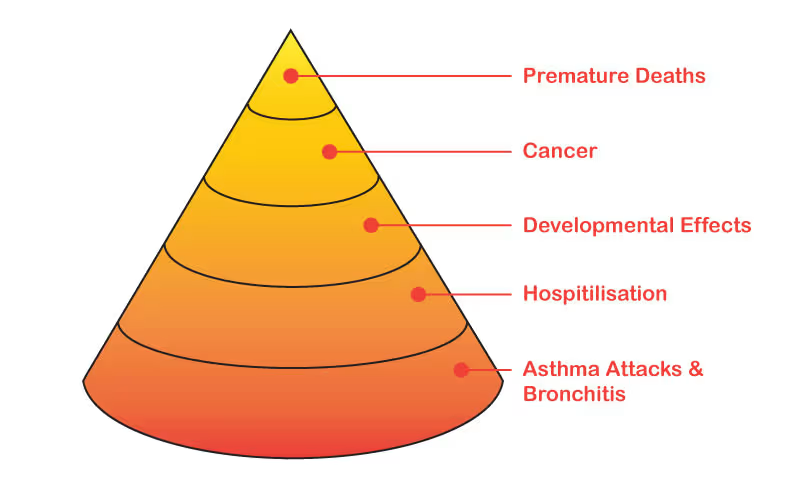
On a more serious note, PM10 air pollution can reduce lung function and worsen respiratory diseases such as asthma and bronchitis. It can contribute to cardiovascular issues such as high blood pressure, heart attack, and stroke. Dust air pollution can cause cancer, increase the number of hospitalizations, lead to faster disease progression, and cause premature death.
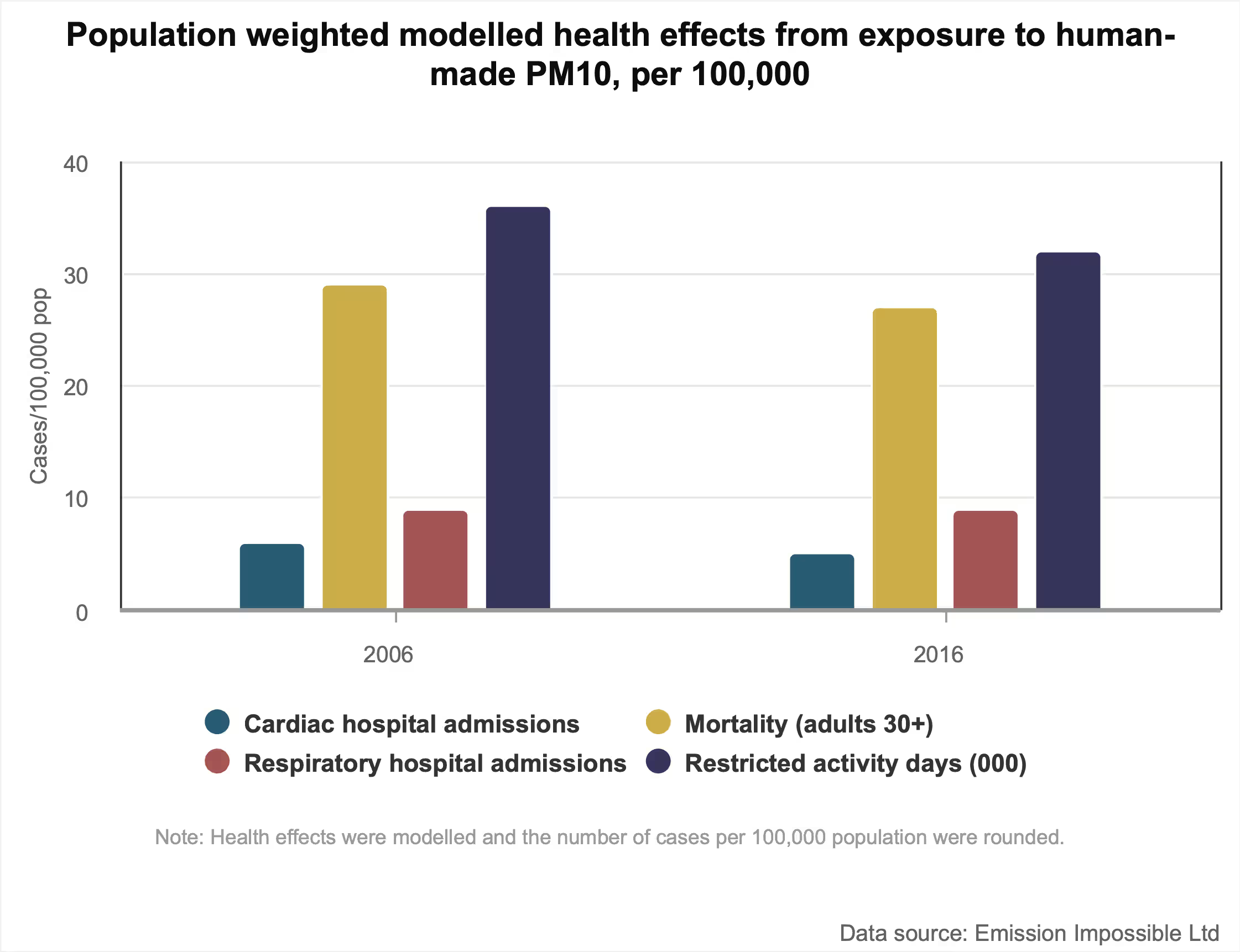
Both short-term and long-term exposure to PM10 contribute to adverse health effects. Long-term exposure may exacerbate health issues associated with dust air pollution. Long-term exposure to particulate matter has been linked to a person’s risk for developing diseases with a longer onset. For instance, long-term exposure has been linked to the development of lung cancer and potentially chronic obstructive pulmonary disease (COPD).
Particularly harmful types of PM10 air pollution
Some types of PM10 yield especially harmful effects. Silica dust and asbestos particles, for instance, cause silicosis and asbestosis, respectively. These particulates may be encountered while working in certain industries or around specific building materials.
Silicosis and asbestosis are both forms of pulmonary fibrosis, a kind of lung disease that arises when lung tissue becomes scarred or damaged. Dust particles of this nature will cause damage like this when they enter the lungs. The thickened lung tissue prevents the lungs from working properly and causes shortness of breath. Pulmonary fibrosis has no cure and worsens over time. The symptoms of both asbestosis and silicosis may not develop for decades after first exposure. In severe cases, both silicosis and asbestosis can be fatal.
Some PM10 air pollution also contains heavy metals. Dust near a coal mine in Latin America, for instance, contained aluminum, copper, hexavalent chromium, zinc, arsenic, manganese, and lead. These heavy metals can be toxic and pose long-term health consequences.
Who is most vulnerable to the effects of PM10?
Although PM10 air pollution adversely affects everyone, certain groups are more vulnerable than others. People with chronic heart or lung diseases, and asthmatics, are at a greater risk from PM10 exposure. Older adults and young children are additionally more vulnerable. Children inhale more air per pound of body weight compared to adults, and have more immature immune systems, which are less able to protect them from PM10 emissions. Dust air pollution can even harm fetal development and fertility.
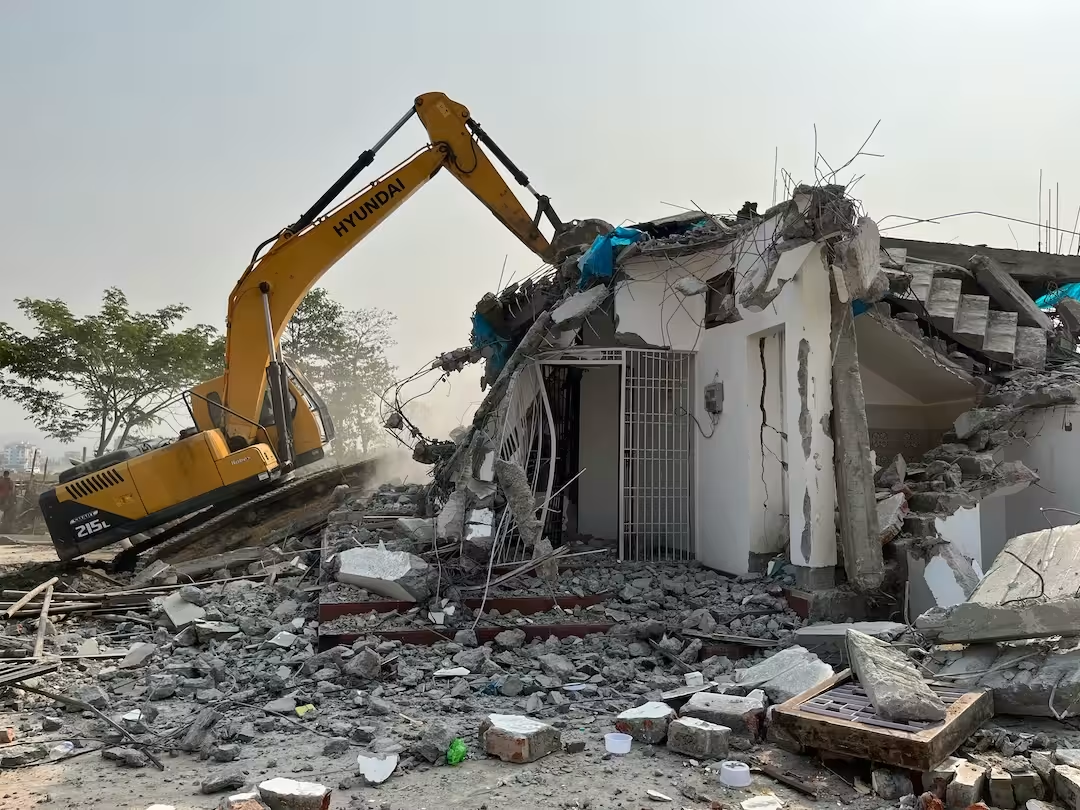
Certain industry workers also face higher exposure to PM10 air pollution. For instance, construction workers and miners tend to experience large amounts of dust particulates in the workforce and must take proper precautions to protect themselves and the surrounding communities from PM10 emissions.
When should you take precautions?
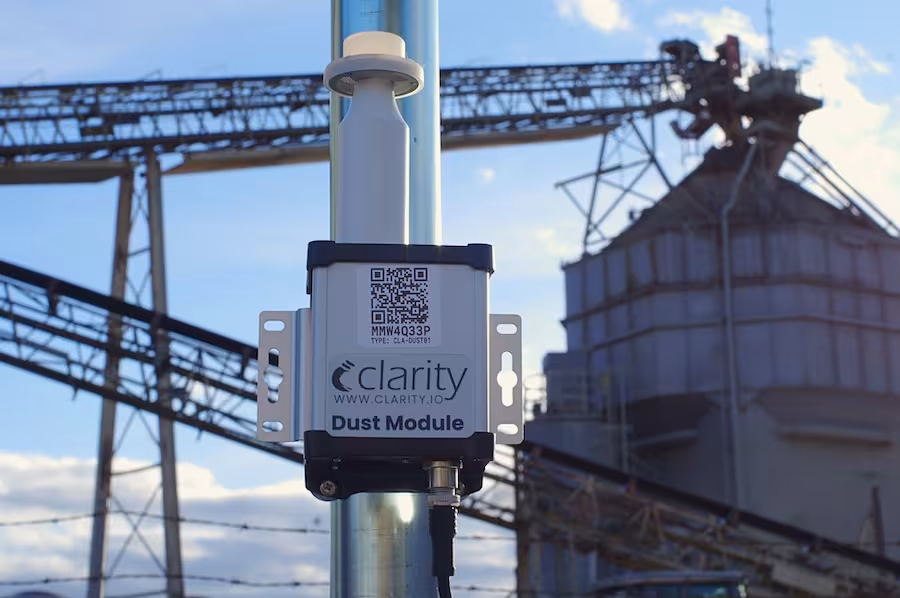
It can be tricky to determine when you need to protect yourself from PM10 air pollution because many sensors only pick up PM2.5. Fortunately, some sensors, such as Clarity’s Dust Module, provide accurate PM10 measurement, allowing people to best determine when to take precautions against more coarse particulates.

Checking your local AQI regularly is a good way to see real-time air quality information. The Clarity OpenMap and AirNow’s Fire and Smoke Map both display local AQI. However, workers in high-risk industries may need an even more localized monitoring system to determine when their occupational activities may be generating unsafe PM10 levels.
How to protect yourself from PM10 air pollution
When PM10 emissions are severe, ways to protect yourself from PM10 emissions include wearing an N95 particle mask and avoiding strenuous activities outdoors when PM10 air pollution levels are elevated. Avoid known pollution sources whenever possible. High-risk workers can protect themselves by employing conscientious work practices, using dust mitigation methods, and wearing proper equipment, such as respirators.

You can prevent particulates from coming indoors by keeping windows and doors closed, refraining from wearing shoes inside, keeping your house clean, and using a non-ozone-producing air filter.
You can protect yourself while in the car by replacing the cabin filter regularly and installing a non-ozone-producing HEPA filter. When ambient air pollution levels are high, close the car windows and use the air recirculation setting.
Looking forward
Deploying an accurate PM10 air quality monitoring system allows companies, policymakers, and community groups to be aware of any potential health risks. It provides support for policy decisions and feedback on the effectiveness of mitigation strategies. Partner with Clarity to implement an air quality sensor network to best protect workers and communities from the effects of PM10 air pollution.