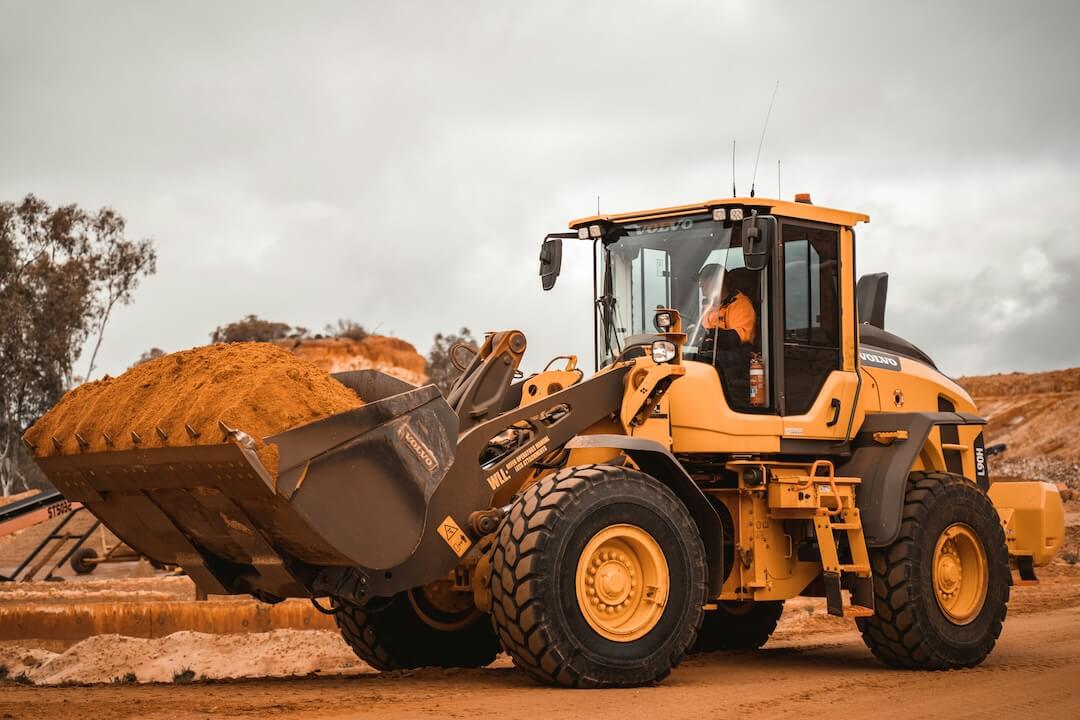
Image provided by Zac Edmonds via Unsplash.
TL;DR: Dust-related air pollution, especially PM10, poses significant health risks to workers in many different industries. Some of the industries most impacted are mining, metallurgy, agriculture, construction, waste management, and firefighting. Dust particles can carry toxic substances and contribute to diseases like silicosis and cancer. Protective equipment, dust mitigation strategies, and air quality monitoring help reduce exposure and safeguard both worker and community health.
Particulate matter refers to any solid or liquid particles suspended in the air. Some of these particles are small enough to inhale. Breathable particulate matter is often separated into two broad categories: PM10 and PM2.5.
The former (PM10) refers to particulates with a diameter of ten micrometers or smaller. It is sometimes referred to as inhalable coarse dust. The latter (PM2.5) refers to any particulates with a diameter of 2.5 micrometers or smaller.
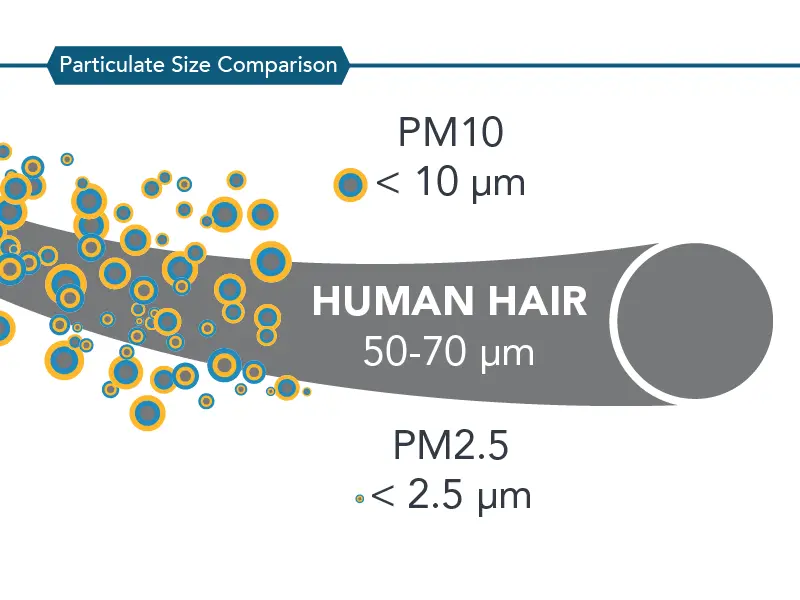
Both types of inhalable particles are harmful to human health and regulated by the US EPA through the National Ambient Air Quality Standards. Although PM2.5 has been known to penetrate deep into the lungs, causing additional health problems, PM10 exposure has still been linked to eyes, nose, and throat irritation as well as worsening respiratory diseases, reduced lung function, and a reduction in life expectancy.
Mining, metallurgy, and dust air pollution
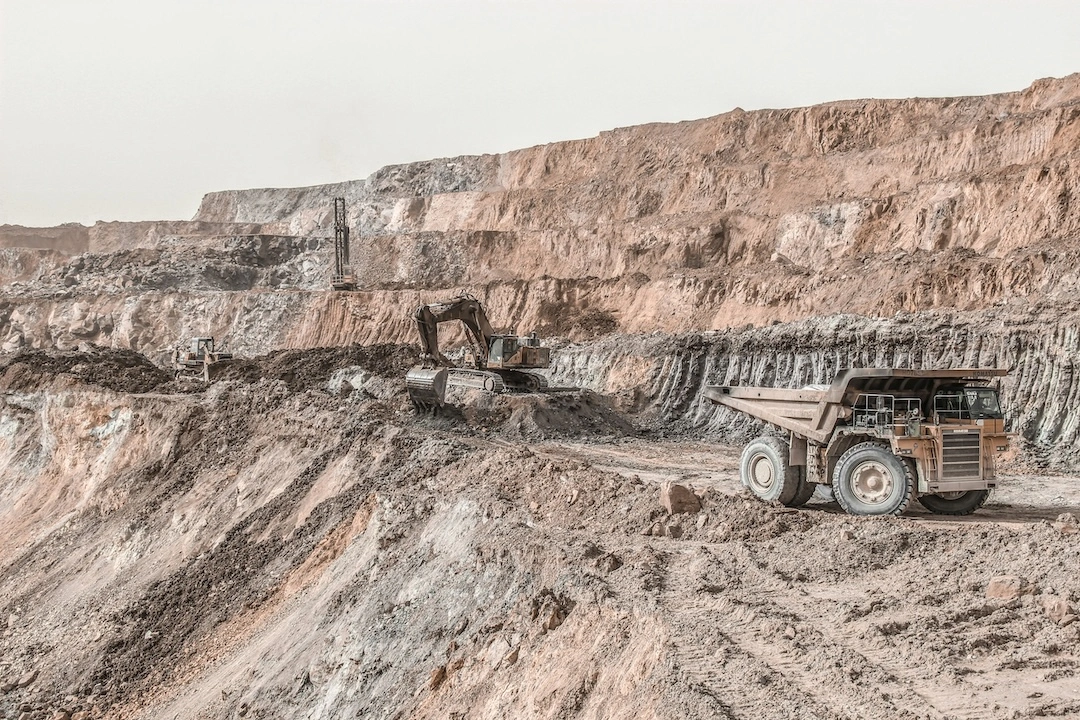
The mining industry consists of extracting materials, including metals, from the earth. Mining processes such as shoveling, bulldozing, and blasting, crushing, grinding, and screening rock, soil, and other materials result in significant levels of PM10 air pollution. Stockpiles and unearthed soil can also produce PM10 air pollution when disturbed by the wind.
The metallurgical industry consists of the production of metal from ore and the production of alloys from ingots, and it encompasses steelmaking and ironmaking. It can also refer to the recovery of metal from scrap. Metallurgy often requires intense heat and fuel to create metal ore. This intense process results in the formation of dust air pollution.
Unfortunately, dust from mining and metallurgical operations can contain toxic metals and metalloids such as manganese, copper, cadmium, iron, zinc, arsenic, and lead, which can cause extra harm to human health and the environment.
Agriculture and dust air pollution
The agricultural industry consists of cultivating soil, growing crops, and raising livestock. Many different aspects of agriculture produce PM10 air pollution. Much of the PM10 air pollution in this industry comes from disturbing dirt and soil through tilling and other actions. Agricultural soil can sometimes carry pathogens, making this kind of dust particularly harmful.
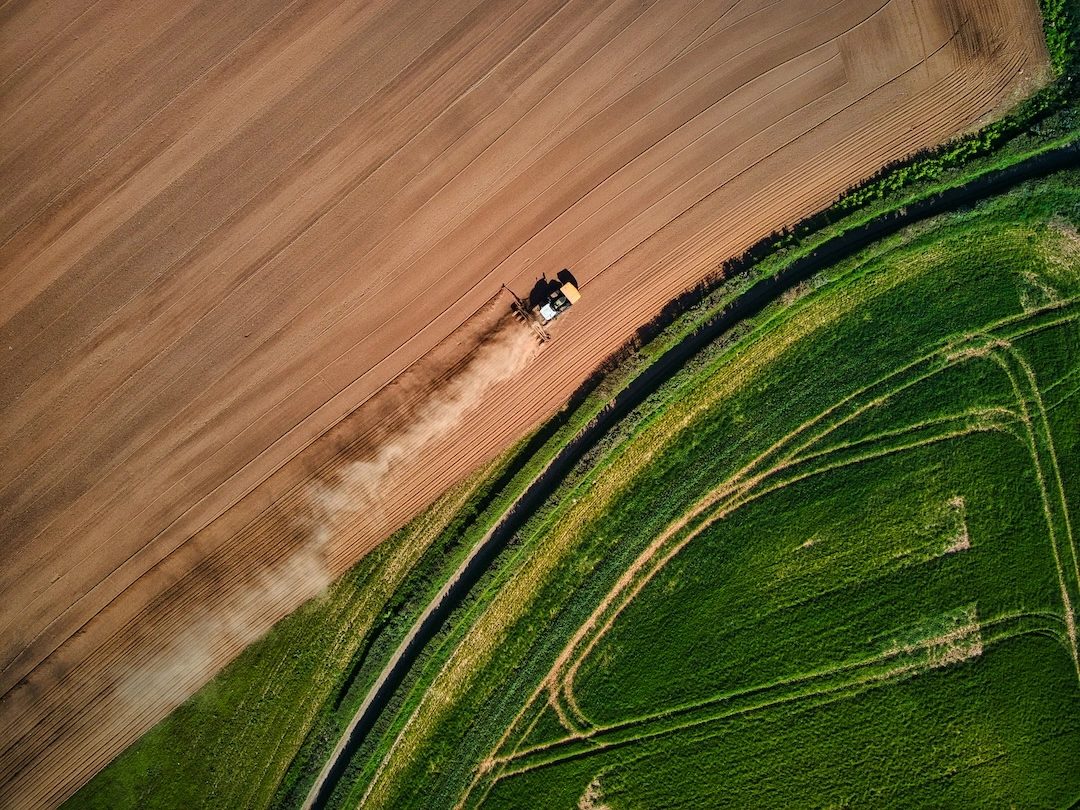
Improper land use in agriculture can even lead to land degradation, which can increase the possibility of soil erosion, susceptibility to drought, and even dust storms in extreme cases. In fact, over-farming and poor land practices may have contributed to the Dust Bowl in the United States’ Great Plains in the 1930s.
The mineral products industry and dust air pollution
Nonmetal mineral product manufacturing industries include the product sectors of clay, concrete, stone, and glass. It encompasses the creation of cement, bricks, asbestos, and gypsum products. The extraction, processing, transport, and storage of mineral materials can all produce dust emissions.
Some mineral products contain asbestos, which is a type of mineral fiber. PM10 emissions containing asbestos can lead to asbestosis, a kind of pulmonary fibrosis. There is no cure for this lung disease, and in extreme cases, it can be life-threatening.
Construction and dust air pollution
The construction industry involves the building of structures and infrastructure, from homes to roads and public facilities. Construction is a significant contributor to anthropogenic dust emissions. In London, construction even makes up 30% of all PM10 emissions.

Most of the particulate matter emissions from this industry are released during the earthwork and foundation stages of construction. Activities such as hammer piling, materials transportation, and waste stacking all contribute to PM emissions.
Mining dust can contain silica and even sometimes asbestos, lead, and mold. Particulate matter emissions can also drift away from construction sites, where they can harm nearby communities. Under very specific conditions, fine construction dust can even travel up to hundreds of kilometers away.
Silicosis: A dust-related workplace hazard
Many industries, including the mining industry, the mineral products industry, the construction industry, and even the metal processing sector, produce silica dust. Crystalline silica is a common mineral found in stone, sand, concrete, and other materials. In fact, it is the most abundant mineral in the Earth’s crust.

Although silica is harmless when in large enough pieces, when silica materials are intensely aggravated through activities such as cutting, grinding, crushing, blasting, or drilling, very small silica particles are released into the air. When this form of PM10 is inhaled, it can lead to silicosis.
Silicosis is a type of pulmonary fibrosis. It is a lung disease that occurs when small silica dust particles scar the inside of the lung over time. This disease is progressive; It can take decades to develop from a person’s first exposure to silica dust.
Roughly 2.3 million people in the United States are exposed to silica in the workplace. The bulk of these workers, 2 million, are employed in the construction industry, with 300,000 in other industries. Silicosis has no cure and can make breathing very difficult. It can also increase the risk of developing other serious diseases, such as lung cancer and chronic bronchitis. Every year, over 300 US workers die from silicosis while thousands more are diagnosed with the disease.
Firefighting and dust air pollution
Smoke contains both PM2.5 and PM10 air pollution. Fires that burn man-made structures, such as the ever more frequently occurring wildland-urban interface fires, can contain particularly harmful materials such as heavy metals and asbestos. Larger particulates are also slightly heavier, allowing them to linger long after the fire is out.

Firefighters are at risk of breathing in the smoke, making them more likely to develop cancer and pulmonary and cardiovascular diseases compared to the general population. Recently, the New York Times published an article on a firefighter who was diagnosed with acute myeloid leukemia at 25 years of age, most likely due to air pollution. With the risk so high, extra precautions need to be taken to protect them from the many harmful air pollutants in the fumes, including particulate matter.
Waste management and dust air pollution
The waste management industry includes the collection, treatment, transportation, and processing of solid waste. This industry also encompasses recycling. Waste management produces particulate matter through dismantling, grinding, agitating, separating, and moving waste.
Activities related to waste sorting produce larger amounts of PM10 air pollution. Waste recycling workers in developing countries are unfortunately sometimes exposed to PM10 containing heavy metals and metalloids, which can be particularly damaging to human health.
Looking forward
Fortunately, wearing protective equipment such as respirators, employing dust mitigation measures such as water suppressants, and following worker best practices such as selective tilling can all help protect workers from the harmful effects of PM10 air pollution. Dust mitigation strategies can also protect surrounding communities and the environment from dust emissions.

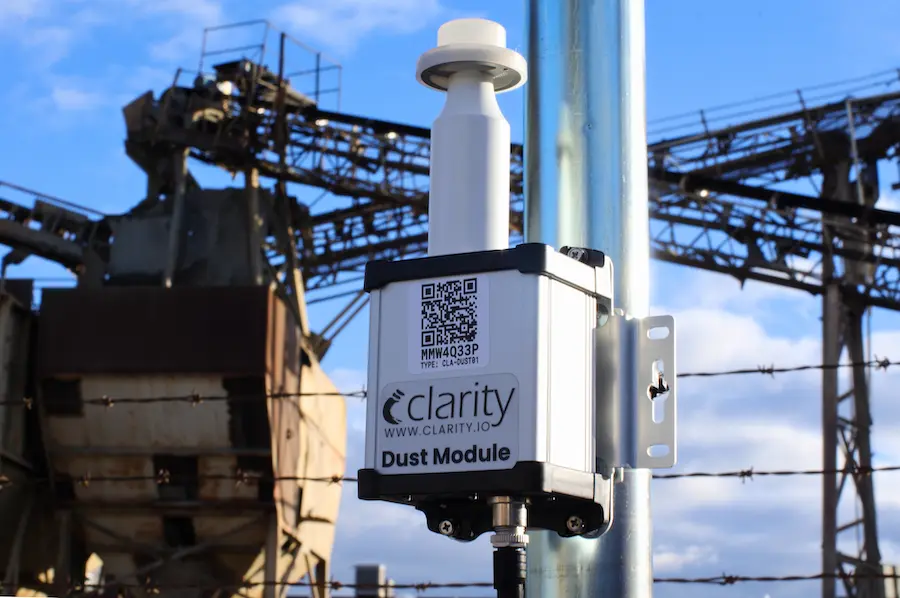
Air quality monitoring can help determine the effectiveness of dust mitigation strategies and the risks to nearby neighborhoods. Accurate PM10 data can help community groups advocate for the changes needed to ensure public health and worker health. Partner with Clarity to implement your own air quality monitoring system.