
Image provided by Braeson Holland via Pexels.
TL;DR: Coal dust is a source of PM10 air pollution, especially around mining and transport sites. Long-term exposure can lead to serious health issues like black lung, silicosis, and COPD. While respirators help, controlling dust at the source is the best option for minimizing the negative environmental and public health impacts of coal dust. Accurate air quality measurement at worksites makes it easier to control PM10 levels and protect both workers and communities.
What is PM10 air pollution?
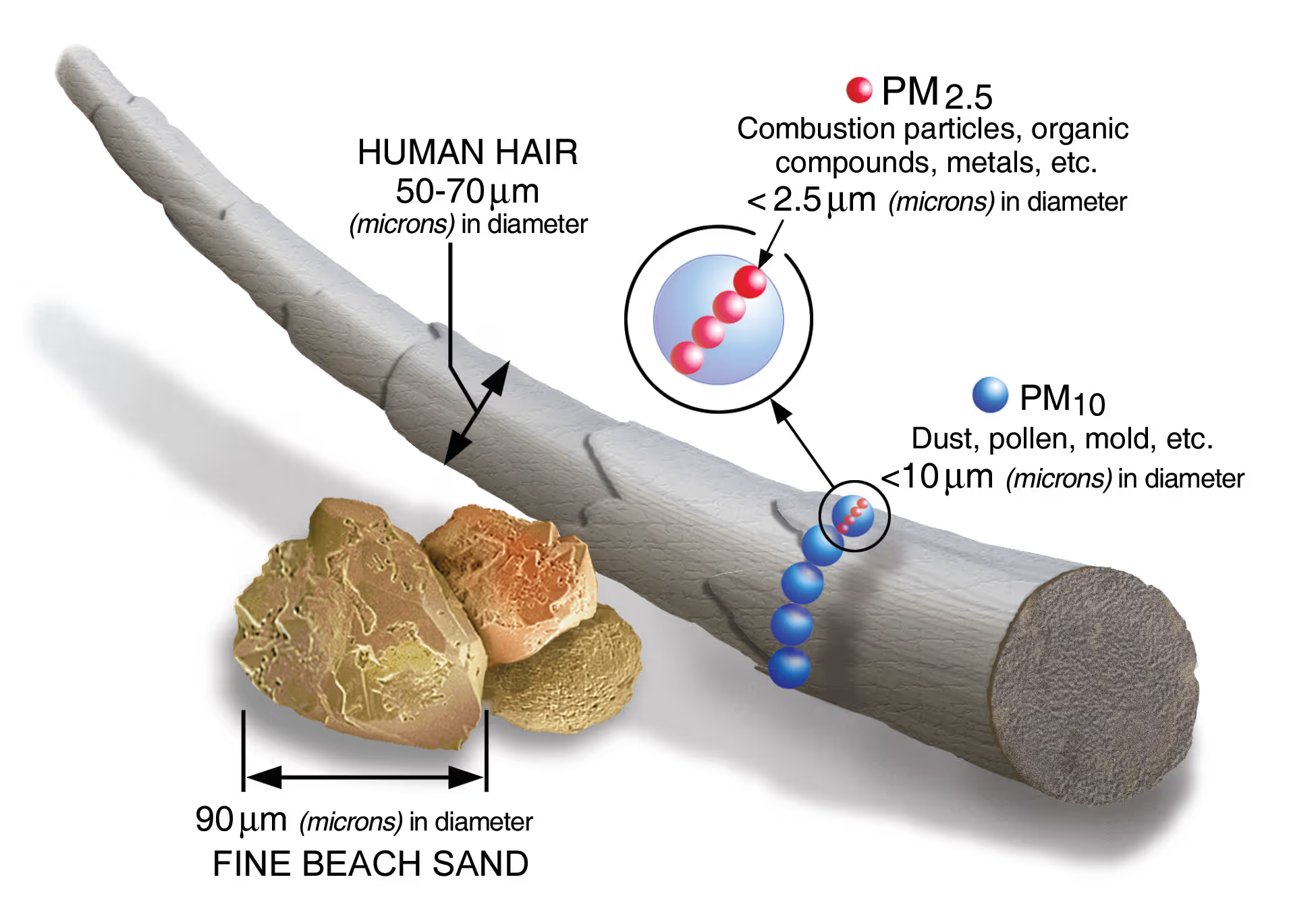
Particulate matter refers to any non-gaseous substance suspended in the air. It is not comprised of any single substance, but instead consists of the amalgamation of many different solids and liquids. Some particulate matter is small enough to be inhaled. These particulates are often categorized into PM10 and PM2.5, and both are regulated by the U.S. EPA per the National Ambient Air Quality Standards.
PM10 refers to any particulate matter with a diameter of 10 micrometers or smaller, whereas PM2.5 refers to any particulate matter with a diameter of 2.5 micrometers or smaller. Sometimes, PM10 is referred to as inhalable coarse dust. Both PM10 and PM2.5 are significantly smaller than a strand of human hair or a grain of sand on the beach.
What is coal dust?
Coal originates from mostly organic material buried by sediments long in the past. Coal largely consists of carbon, hydrogen, and oxygen, but it also contains smaller amounts of sulfur, nitrogen, metals, and trace elements. It can additionally contain minerals such as silica. Silica is a compound made of silicon and oxygen. Quartz is the most common type of crystalline silica. Coal dust contains air pollutants classified as PM10 along with larger, coarser particles that are visible and dark.
Most occupational exposures to coal dust actually consist of more than just coal. The coal mine dust that workers inhale contains both dust from coal as well as the rock strata near or inside the coal seam, including things like limestone, clay, or sandstone. In fact, coal mine dust contains more than 50 different elements and their oxides.
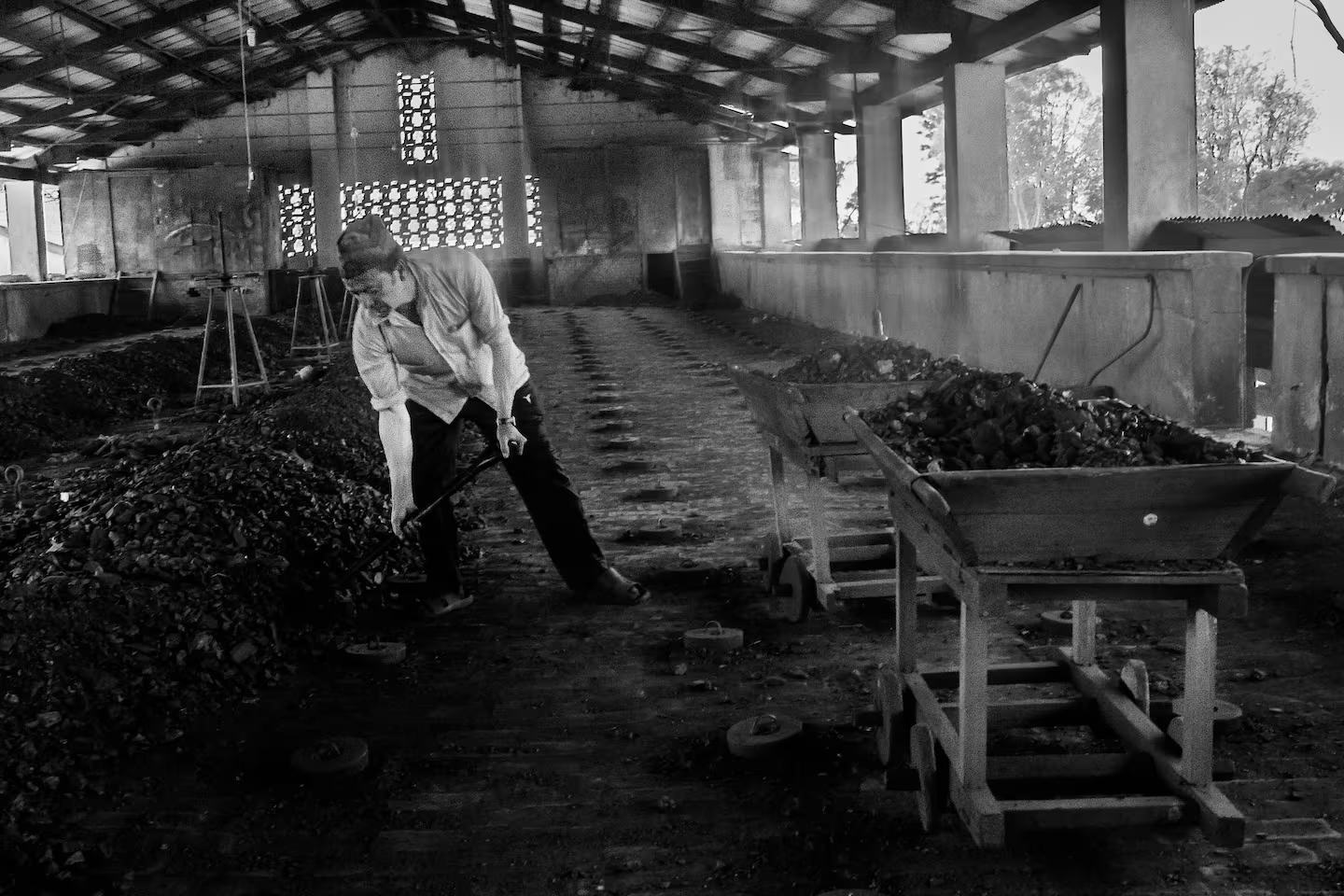
Coal mining operations are mainly what generate coal dust. However, coal dust is also emitted by the transportation and loading operations of coal. Coal trains and terminal stockpiles are sources of coal dust, which can affect those nearby. Wind erosion, coal spillage, and coal leakage all contribute to these accidental emissions.

What are the health effects of coal dust?
General PM10 air pollution produces adverse health effects. However, due to its composition and long-term repeated exposure, coal workers are at a higher risk of developing simple coal workers' pneumoconiosis (CWP), chronic obstructive pulmonary disease (COPD), and progressive massive fibrosis (PMF). Since they are often exposed to silica, they are also at risk of developing silicosis or mixed-dust pneumoconiosis.
Coal workers' pneumoconiosis (CWP), also known as black lung disease, comes from breathing in coal dust frequently for a long period of time (usually ten years or more). Between 1995 and 2004, CWP contributed to the deaths of 10,406 U.S. miners.
CWP is an interstitial lung disease. It comes in two forms, simple pneumoconiosis and complicated pneumoconiosis. The former is characterized by small, rounded nodular opacities in the upper parts of the lung. The latter, which is also known as progressive massive fibrosis (PMF), is characterized by nodules that come together to form larger areas of damage, causing more serious symptoms. Progressive massive fibrosis (PMF) can substantially impair pulmonary function and worsen both morbidity and mortality.

The silica component of coal dust can increase the risk of developing CWP. Inhaling silica dust can cause silicosis, an interstitial lung disease characterized by long-lasting cough, inflammation of airways, scarring of lung tissue, and breathing problems. Silicosis can increase the risk of developing certain autoimmune diseases, lung cancer, and tuberculosis. Chronic silicosis can lead to progressive massive fibrosis (PMF).
Chronic obstructive pulmonary disease (COPD) refers to irreversible lung and airway damage that blocks your airways, making it difficult to breathe. Chronic bronchitis and emphysema are both forms of COPD. COPD symptoms can include coughing, mucus, shortness of breath, and even bluish skin. COPD can lead to lung infections, respiratory failure, and low levels of oxygen in your blood.
Ways to protect yourself from coal dust
Fortunately, there are ways of protecting yourself from coal dust air pollution. Worker best practices can reduce the occupational risk associated with coal dust. Water and air can be used to suppress and redirect coal dust away from workers. Wet coal is less likely to produce airborne dust. Mechanical dust collectors can also reduce air pollution.

Better loading techniques, spill sweeping, and veneering can all help reduce emissions while transporting coal. Enclosed facilities, exhaust fans, and proper cleaning can help reduce emissions at coal terminals. In the stockyard, limiting stockpile heights and providing wind breaks can additionally reduce dust air pollution.
Although respirators can provide some protection, they are not a perfect solution, especially in intense working conditions with heat and dangerous equipment. It is best to try to control dust at the source rather than rely on respirators alone to protect workers.
Looking forward
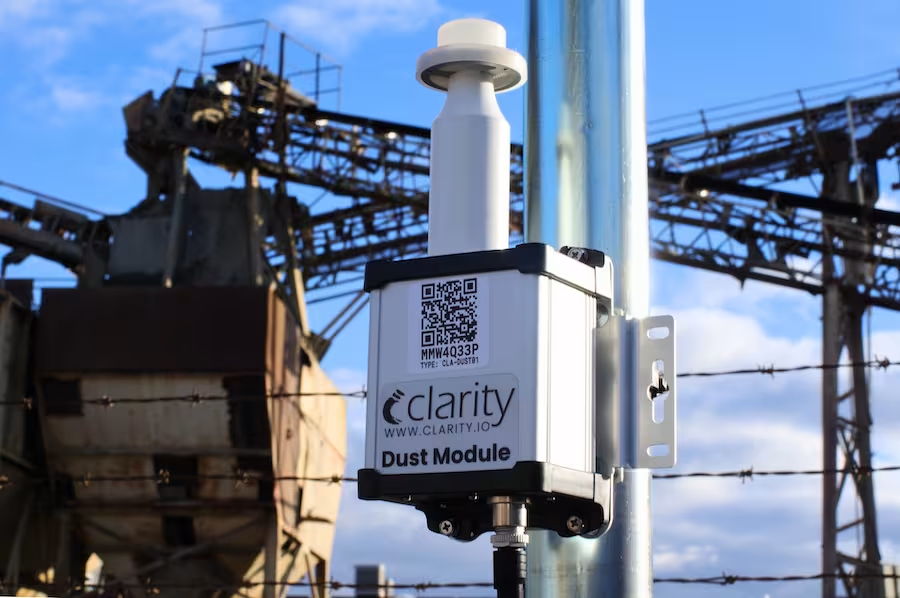
Air quality sensor networks can help ensure that safety measures are being adhered to, that dust mitigation strategies are effective, and that both workers and surrounding communities are breathing safe levels of dust air pollution. Partner with Clarity to implement an air quality monitoring network and take advantage of our new Dust Module.