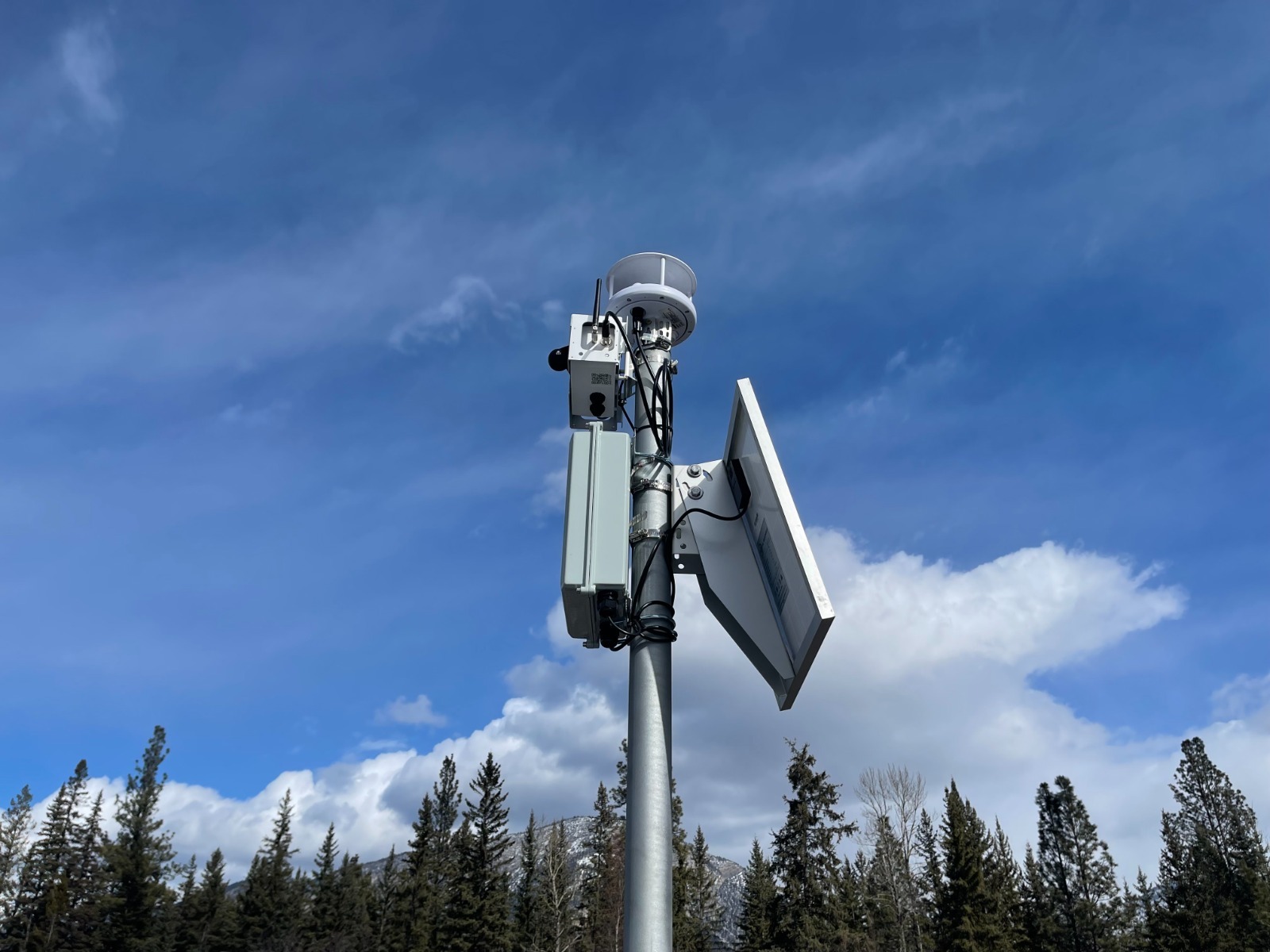
TL;DR: Air quality monitoring began with chemical methods in the 18th and 19th centuries and advanced significantly during the 20th century with the rise of regulatory-grade monitors like FRMs and FEMs. While accurate, these monitors are expensive and limited in coverage. Since 2012, low-cost sensors have emerged as a scalable solution for localized and real-time air pollution tracking. These sensors have improved in accuracy, connectivity, and integration, especially with EPA support. Clarity Movement has played a key role in this evolution, launching the solar-powered Node-S air pollution sensor and a suite of modular air quality measurement equipment that has been adopted by cities looking to expand their air quality monitoring capabilities worldwide.
Early air quality sensing technology
Anthropogenic air pollution has been harming public health for at least 5,000 years, if not longer. However, the Industrial Revolution greatly intensified the problem. Sulfurous smog hung over cities like London, prompting some to try to look for early ways to measure and quantify the pollutants that were making their air harmful
In the mid-18th century, chemical methods existed for detecting nitrogen and sulfur oxides in the air. By the late 19th century, British scientists were able to measure rates of soot deposition by undertaking chemical analyses of rainwater.
Near the middle of the 20th century, photochemical smog, primarily consisting of ground-level ozone and other harmful pollutants, became more of an issue, stemming from motor vehicle emissions. A scientist named Arie Jan Haagen-Smit discovered the nature of photochemical smog in Los Angeles.

In the 1940s, scientists began developing modern air pollution monitoring devices. The first reliable field monitoring technique to measure ozone levels required calculating the amount of time it took for the gas to crack a thin rubber strip. Early ozone monitoring instruments were much larger than they are today, required many technicians, and often leaked chemicals.
Regulatory-grade air quality monitors
As legislation went into effect to curtail emissions, governments would usually rely on regulatory-grade air quality monitors to provide standardized air pollution detection. In the United States, the Clean Air Act of 1970 was instrumental. It allowed the Environmental Protection Agency (EPA) to put in place National Ambient Air Quality Standards (NAAQS).
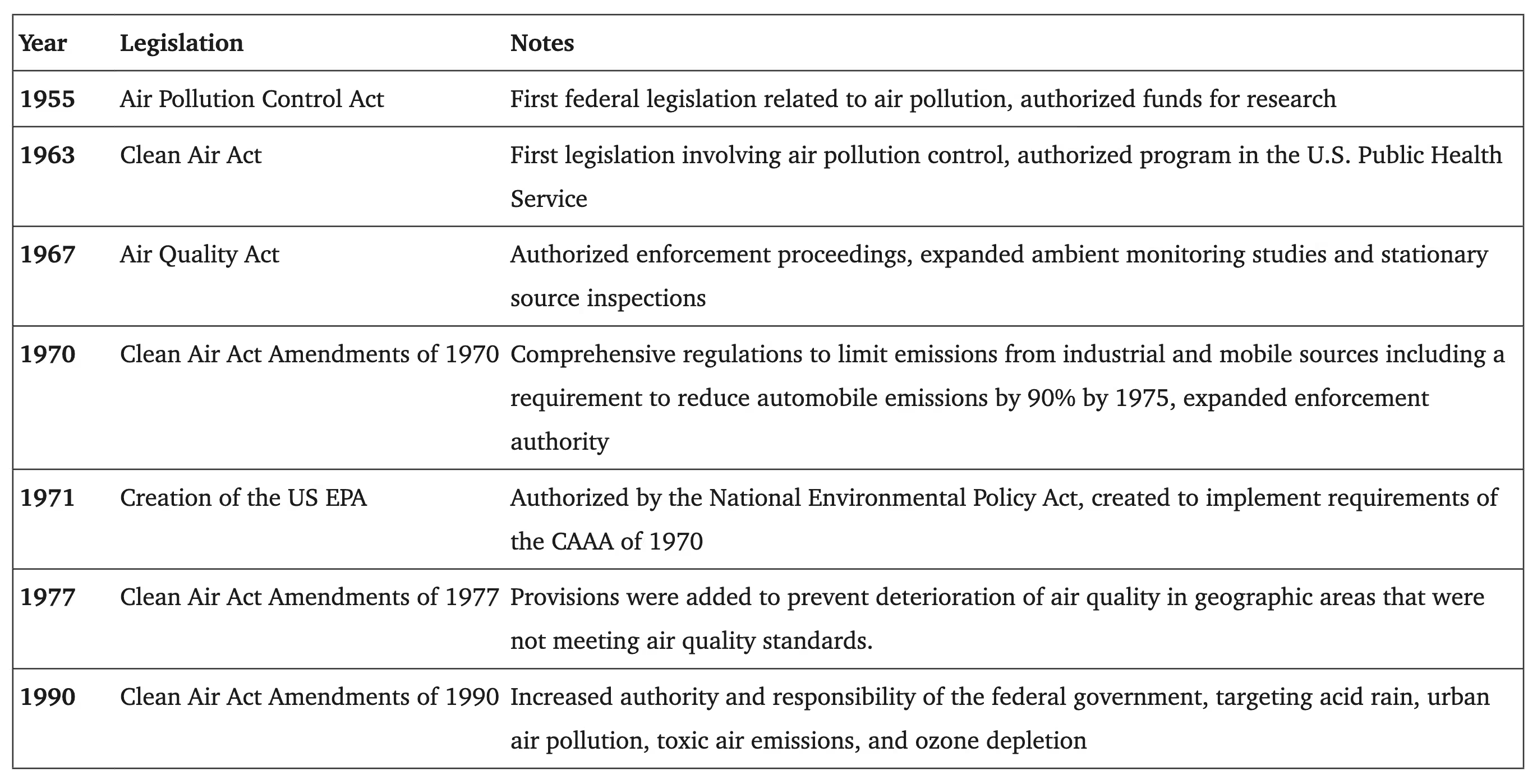
With very strict performance criteria, regulatory-grade FRM and FEM monitors are the gold standard for monitoring air pollution to this day. They have very strict measurement performance criteria and have improved over time. For instance, where the first ozone monitoring instruments used rubber deterioration to determine ozone levels, modern reference-grade instruments now use ultraviolet light technology and automatically record data through computers, with far less maintenance.
Although total suspended particulates were regulated as early as the 1970s, fine particulate matter (PM2.5) was specifically added to NAAQS regulations in the late 1990s. Around the same time, the US EPA developed a method for measuring fine particulate matter in 1998. This is important because PM2.5 is extremely dangerous to human health, causing millions of deaths around the world every year.
Unfortunately, regulatory-grade FRM and FEM monitors are very expensive, often costing tens of thousands of dollars per monitor, with additional operating costs. They also require dedicated electrical power and data shelters for equipment. This makes it difficult to have enough reference-grade monitors in an area to understand local air quality fluctuations and identify hotspots.
Low-cost air quality sensors
In 2012, the US EPA began an initiative to support a new and emerging technology, low-cost air quality sensors. These are a class of non-regulatory technologies that are more affordable and easier to operate than regulatory monitors. Sometimes, they are even portable.
These sensors solve many of the problems that come with traditional regulatory monitors. Because of their smaller size and affordability, governments and other organizations can deploy them in larger numbers, creating a dense air quality network that can reveal air pollution hotspots and other local fluctuations. There are also many benefits to integrating both reference-grade monitors and low-cost air quality sensors to create a more holistic picture.

The evolution of low-cost air quality sensors
Most low-cost air quality sensors utilize optical measurements, using LED lights or lasers to illuminate airborne particles. The sensors then detect how much these particles scatter the light and use that to determine how much particulate matter is in the air. Over time, low-cost air quality sensors have improved in performance and lowered in cost. Now they are widely used to complement and supplement traditional air quality monitoring around the world.
Low-cost air quality sensors have adopted features such as internet connectivity, which enables real-time air pollution data to be visualized, mapped, and downloaded at a large scale, while calibration techniques have also improved. Real-time data collection has enabled air quality sensors to be useful in rapidly changing environments, such as wildfire outbreaks.
The development of correction models has allowed sensor output to be adjusted so that the data more closely resembles that of regulatory-grade monitors. In part because of this, governments have supported the more widespread adoption of low-cost sensors.
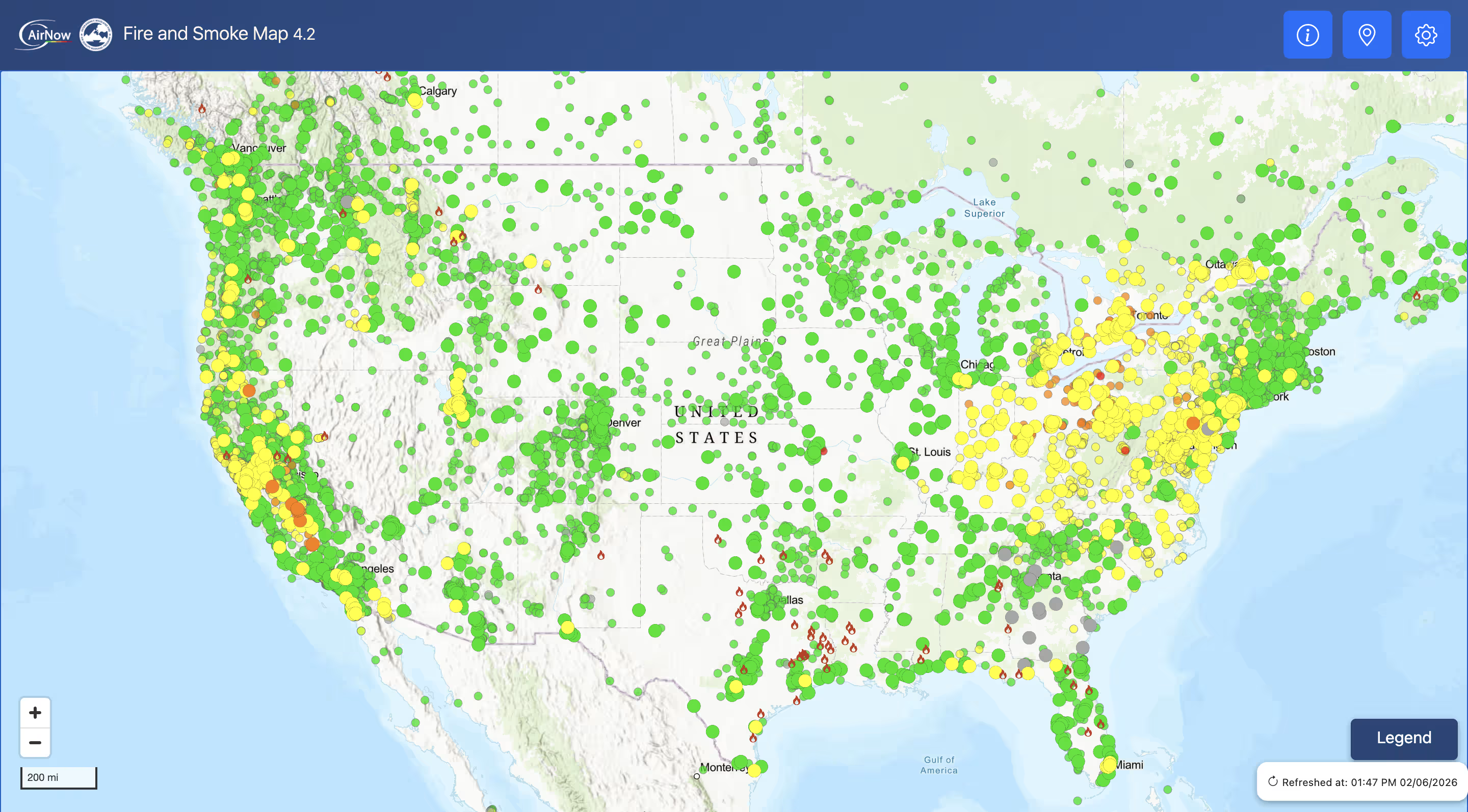
In the United States, the EPA began conducting performance evaluations of these sensors and providing best practices for their effective use as early as 2012. In 2014, they developed the online Air Sensor Toolbox for Citizen Scientists as a way of sharing information with developers and users of this relatively new technology. In 2020, EPA researchers created a correction equation and quality control checks to put air quality sensor data on the AirNow Fire and Smoke Map. That same year, they also published several reports on air sensor performance and testing protocols. In 2022, the EPA made significant updates to the Air Sensors Guidebook.
These and other contributions from the EPA, such as loan programs and more improved correction equations, have made air quality sensors more reliable and established more standardized guidelines for evaluating low-cost air quality sensor technologies. This has enabled their widespread adoption and helped ensure more people have access to air quality data.
The evolution of Clarity’s air quality sensors
When Clarity Movement first began in 2014, it originally started with the idea of making keychain-sized wearable sensors. The mobile sensors would form a crowdsourced map based on the locations the wearer has been. From there, we transitioned to developing optical particle counter (OPC) sensors that we licensed to Sensirion, an expert company in environmental sensing solutions. Our lightweight OPC sensors were small and affordable compared to industrial particulate matter monitors.
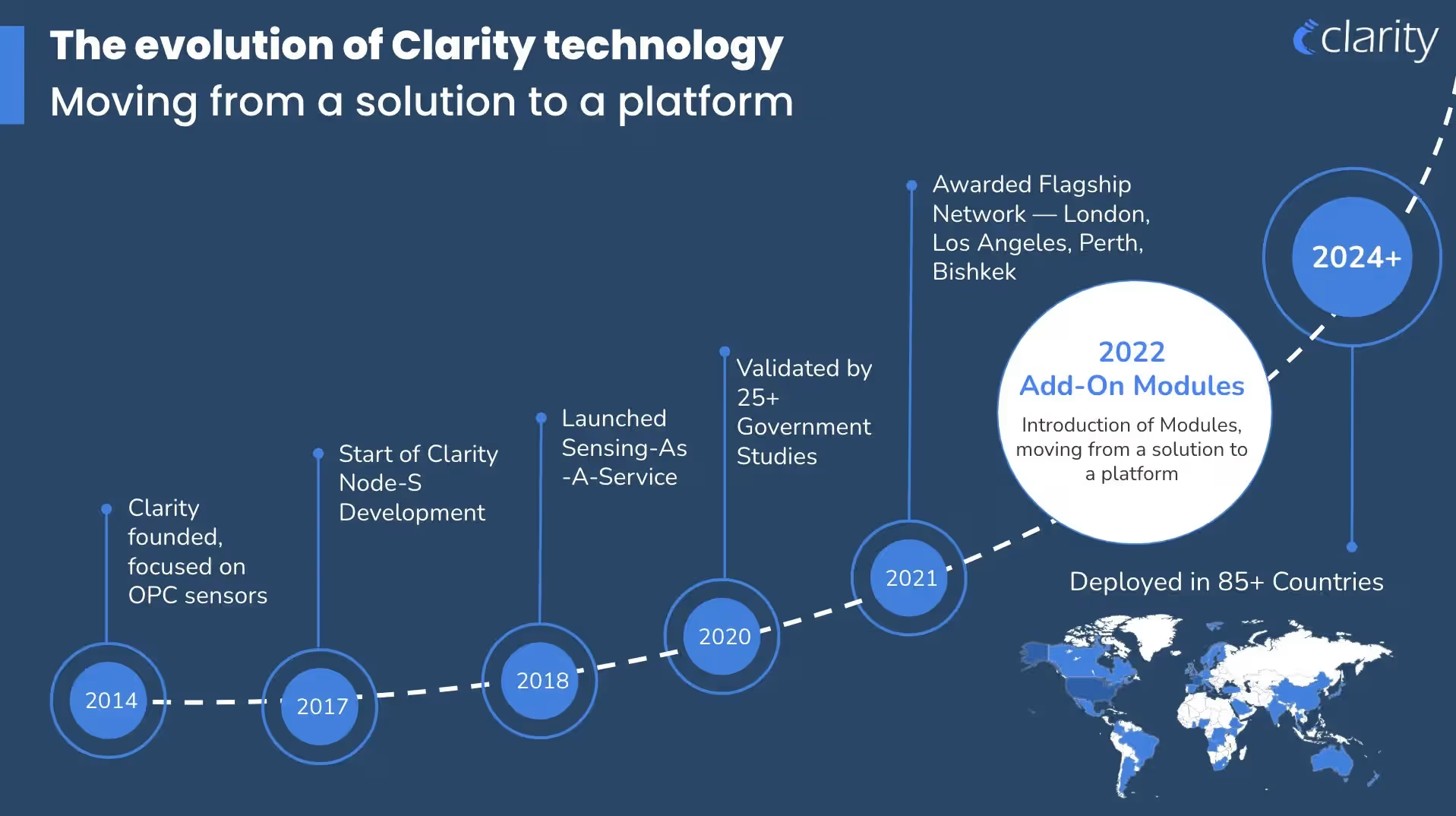
In 2017, Clarity began developing the Node-S air quality sensor. This sensor was a major milestone, providing real-time air quality monitoring through a compact, solar-powered, and self-sufficient device. The Node-S became the foundation for our Sensing-as-a-Service business model.
By 2020, Clarity’s monitoring technology had been validated by over 25 government studies, but we did not stop there. In 2021, we developed the second version of the Node-S air quality sensor, bringing enhanced monitoring precision and more durability against weather and sun conditions. In 2022, Clarity introduced Add-On Modules, providing monitoring solutions for more gases and particulates. Now, we offer a Wind Module, Ozone Module, Black Carbon Module, Multi-Gas Module, and a Dust Module.
Today, Clarity has recorded more than 500 million measurements and deployed over 10,000 Node-S air quality sensors across more than 250 cities in 85+ countries. Our software technology includes our user-friendly Clarity Dashboard and the Clarity Air Monitoring API, which allows for seamless integration. All the while, our Add-On Services provide custom-tailored support to help overcome client resource constraints.
Looking forward
Air quality monitoring technology has come a long way and will no doubt continue to improve, providing better air pollution data to more people around the world. Partner with Clarity today to be part of the movement for clean air.