
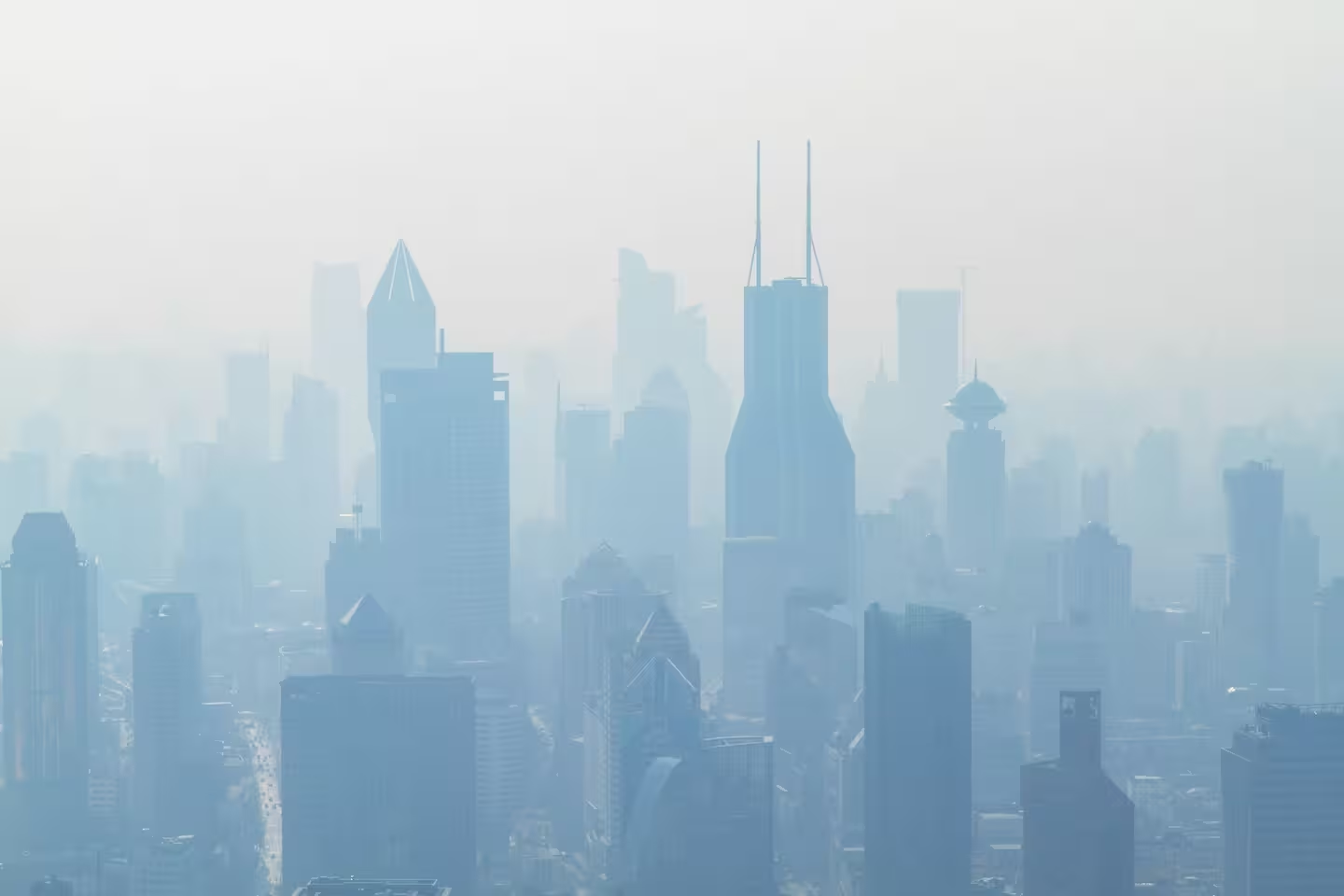
Image provided by Shengpengpeng Cai via Unsplash.
TL;DR: Exercise has significant health benefits, while air pollution can harm the body by affecting the lungs, cardiovascular system, and other organs. Whether it’s safe to exercise outdoors depends on air quality, exercise intensity, and individual health. Some research suggests the benefits of regular exercise may outweigh the risks for many people, but high air pollution levels and existing health conditions can still increase risk, making it important to take precautions.
What are the benefits of exercise?
Exercise has both immediate and long-term benefits. Exercise can help keep your mind sharp as you age, reduce both anxiety and risk of depression, and help you sleep better. Physical activity can help you maintain and/or achieve a healthy weight, and reduce your risk of developing type 2 diabetes and metabolic syndrome.
Additionally, regular exercise is associated with a lower risk of severe outcomes from infectious diseases, including the flu, pneumonia, and COVID-19. Physical activity can even lower your risk of developing several common cancers. Approximately 110,000 deaths could potentially be prevented per year if adults in the United States aged 40 to 85 years or older increased their moderate-to-vigorous physical activity by even a small amount (as little as 10 minutes per day). In fact, in the US, as many as 250,000 deaths per year are attributable to a lack of regular physical activity.

The cardiovascular system consists of your heart and blood vessels. This system is responsible for moving blood through your body, delivering oxygen and nutrients to your organs, and removing waste products such as carbon dioxide. Both air pollution and physical activity have an effect on the cardiovascular system.
Exercise is one of the most effective ways to help prevent cardiovascular disease and promote cardiovascular health. Moderate physical activity for at least 150 minutes a week puts you at a lower risk of developing heart disease and stroke. Regular exercise similarly helps improve cholesterol levels and lower blood pressure.
How does air pollution harm your health?
Air pollution, conversely, has many negative effects on human health. Tiny solid and liquid particles suspended in the air, known as fine particulate matter (PM2.5), can penetrate the lung barrier and enter the bloodstream, where they harm the cardiovascular system. These particles affect all major organs of the body, increasing the risk of heart and respiratory disease, as well as lung cancer and strokes.
Nitrogen dioxide (NO2), a gas that results from fuel combustion, irritates the airways and respiratory system, contributes to the aggravation and development of asthma, and increases susceptibility to respiratory infections. Nitrogen dioxide contributes to the formation of ground-level ozone (O3), which can lead to difficulty breathing, aggravation of lung disease, more frequent asthma attacks, and increases the risk of premature death.
Carbon monoxide (CO) is a gas formed from the incomplete burning of carbon-based fuels, often by automobiles and appliances. When inhaled, this air pollutant reduces the blood’s ability to carry oxygen, damaging organs including the brain and the heart. Even lower levels of CO can harm people with certain heart diseases, and can lead to developmental effects in unborn babies when pregnant individuals are exposed.
Children, older adults, pregnant individuals, and people with certain chronic diseases are the most vulnerable to air pollution’s adverse health effects. People of color and those with lower incomes are often the most exposed to air pollution. Yet, poor air quality can harm everyone.
Air pollution is a significant global public health threat. The Health Effects Institute’s State of Global Air 2024 report found that air pollution resulted in 8.1 million deaths around the world in 2021, making it the second-leading risk factor for death globally. The World Health Organization estimated that the combined effects of indoor and outdoor air pollution are associated with 6.7 million premature deaths every single year, with 4.2 million of those deaths attributable to outdoor air pollution.
Should you prioritize exercise or clean air?
Given that exercise provides health benefits and air pollution provides adverse health effects, is it advisable to exercise outdoors amidst poor ambient air quality? The truth is that it depends. Many factors impact this tradeoff, from the level of pollution in the air, the length and intensity of the intended exercise, to the person’s health status.
One scientific review of literature on the short-term health effects from exposure to air pollution during outdoor exercise published between 2000 and 2020 found that healthy individuals who did moderate to high-intensity exercise outdoors in polluted air tended to experience fewer short-term negative health effects than when doing low-intensity exercise. This may be because the benefits of exercise, in this case, could help neutralize the short-term negative effects of air pollution.
However, the same review also found that for people with pre-existing conditions, this tradeoff is less effective. Even in low levels of air pollution, low-intensity activities such as walking can intensify air pollution’s negative effects, particularly for people with pre-existing conditions.
Another review of relevant scientific studies intended to advise health care professionals regarding the cardiovascular implications of air pollution and exercise was published in 2016. This review found that although heightened exposures to air pollution may partially undo the positive effects of exercise, the overall health benefits of regular aerobic exercise likely outweigh the risks for most patients. Yet, the article still calls for caution: high levels of air pollution may warrant limiting or avoiding outdoor activity.

Air Quality Index (AQI) levels can provide helpful advice on how to limit outdoor activities based on different air pollution intensities. AirNow provides advisory guides for both particle pollution AQI levels and ozone AQI levels.
The best of both worlds
There are ways that you can continue to achieve the exercise that you need while limiting your air pollution exposure. The 2016 review recommends checking your local air quality and exercising indoors if needed. You should also avoid exercising within 400 meters of pollution hotspots, like roadways, and aim to exercise during times of reduced traffic. You might consider shifting your exercise into green areas such as parks and woods while avoiding busy roads.

Moving forward
Ideally, as a society, we should choose to take actions that reduce air pollution so that people do not have to choose between outdoor exercise and clean air. Air quality monitoring can support air pollution reduction by promoting public awareness, policy action, and regulation enforcement. Partner with Clarity to implement an air quality sensor network and take meaningful action toward cleaner air.