
Image provided by Naturalist Boat via Unsplash.
TL;DR: Cancer Alley is an 85-mile industrial corridor in Louisiana where roughly 200 petrochemical and fossil fuel plants expose nearby communities to severe air pollution and elevated health risks, including cancer, respiratory ailments, preterm birth, and low birthweight. These harms disproportionately affect Black and low-income residents. Weak regulation, expanding industry, and limited air quality monitoring threaten public health, but grassroots activists continue to fight for clean air.
What is Cancer Alley?
Cancer Alley refers to an 85-mile stretch of the Mississippi River between New Orleans and Baton Rouge. The communities here live alongside roughly 200 fossil fuel and petrochemical production plants, the largest concentration of such plants in the Western Hemisphere, with about 25% of the United States petrochemical products processed in this area.
The extreme air pollution from these industries pollutes the local area’s air, water, and soil. Residents face elevated levels of reproductive, maternal, and newborn health harms, along with respiratory ailments and cancer. The latter health effect was so common that it gave the area its nickname in the 1980s.
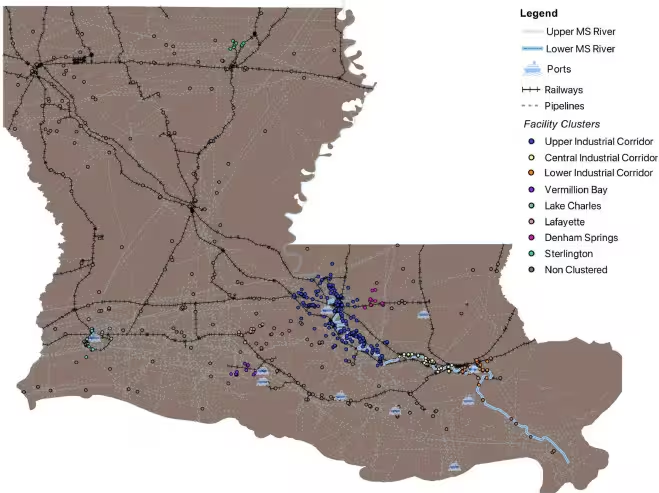
The harms of Cancer Alley are disproportionately borne by the area’s Black residents, with industrial emissions 7 to 21 times higher among communities of Color in Louisiana.
Cancer Alley is a stark example of environmental racism. In 2022, the UN Special Rapporteur on Human Rights and the Environment drew attention to Cancer Alley, identifying it as one of several global “sacrifice zones,” meaning areas viewed as expendable in terms of their environment, population, and health.
Cancer Alley’s health risks
Research found that people living in areas of Louisiana with the most air pollution, including many parts of Cancer Alley, experienced low birthweight rates as high as 27%, more than triple the national average. They also experienced preterm birth rates as high as 25.3%, which were nearly two and a half times the United States average. Residents also commonly experienced respiratory ailments such as chronic asthma, bronchitis, and persistent sinus infections.
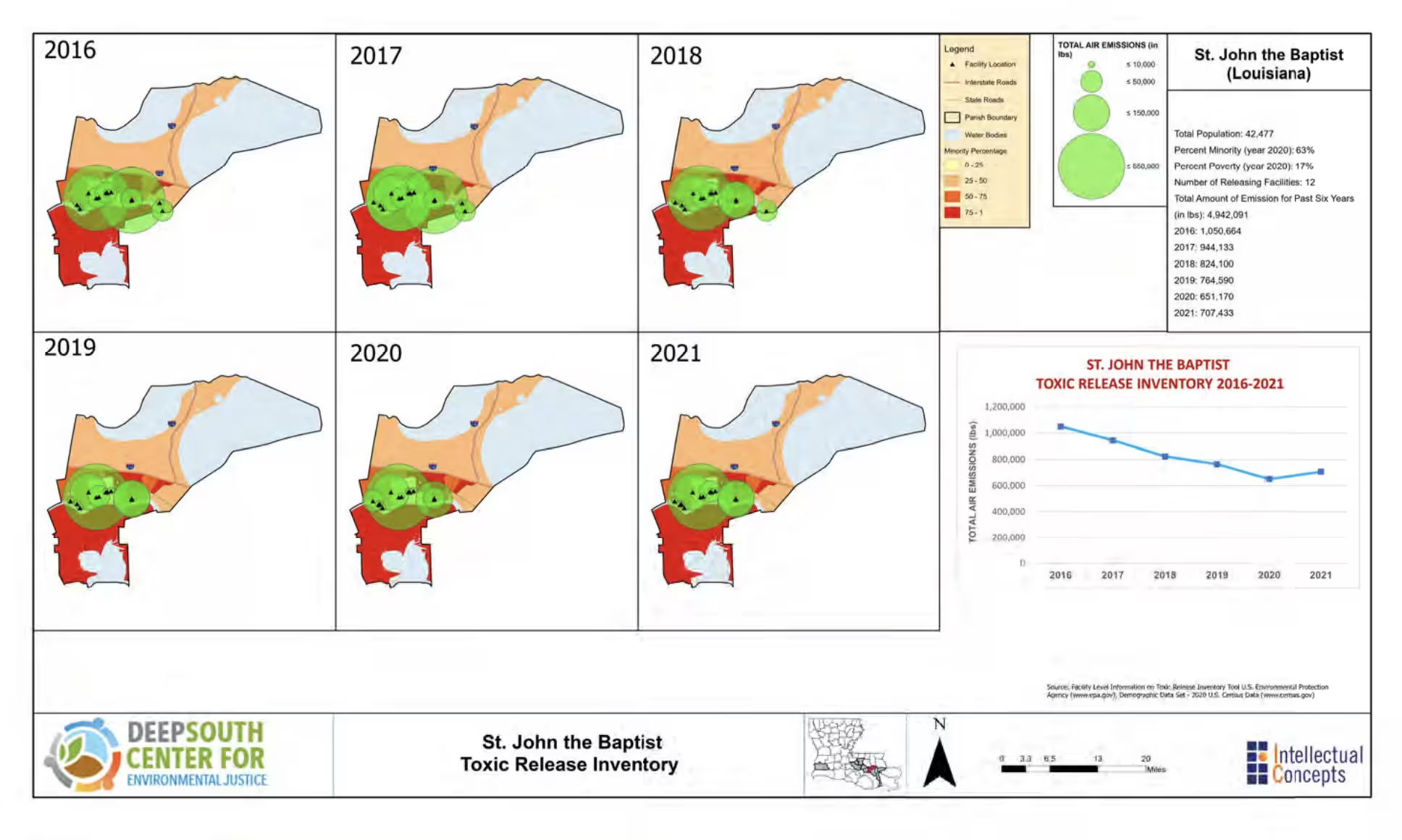
St. John the Baptist Parish is an area within Cancer Alley that had the highest cancer risk in the United States for much of the past decade. In 2014, the risk of cancer in this location was roughly 50 times greater than the national average. As of 2023, the cancer risk here was still almost seven times the national average.
However, the health effects may still be far worse. In some of Cancer Alley’s communities, the estimated risk from government models may be about ten times lower than what Johns Hopkins researchers actually found in the area.
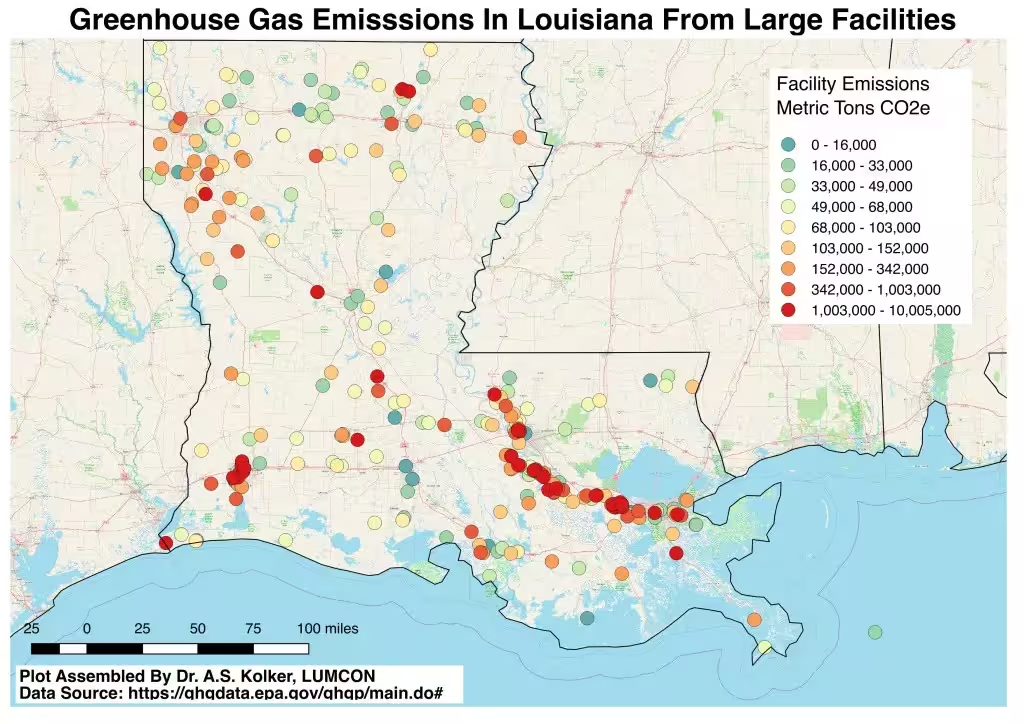
The lived experiences of the area's residents reflect this toxicity; toxic air pollution in Louisiana’s chemical corridor caused at least 850 cancer cases over the last ten years alone.
The history of Cancer Alley
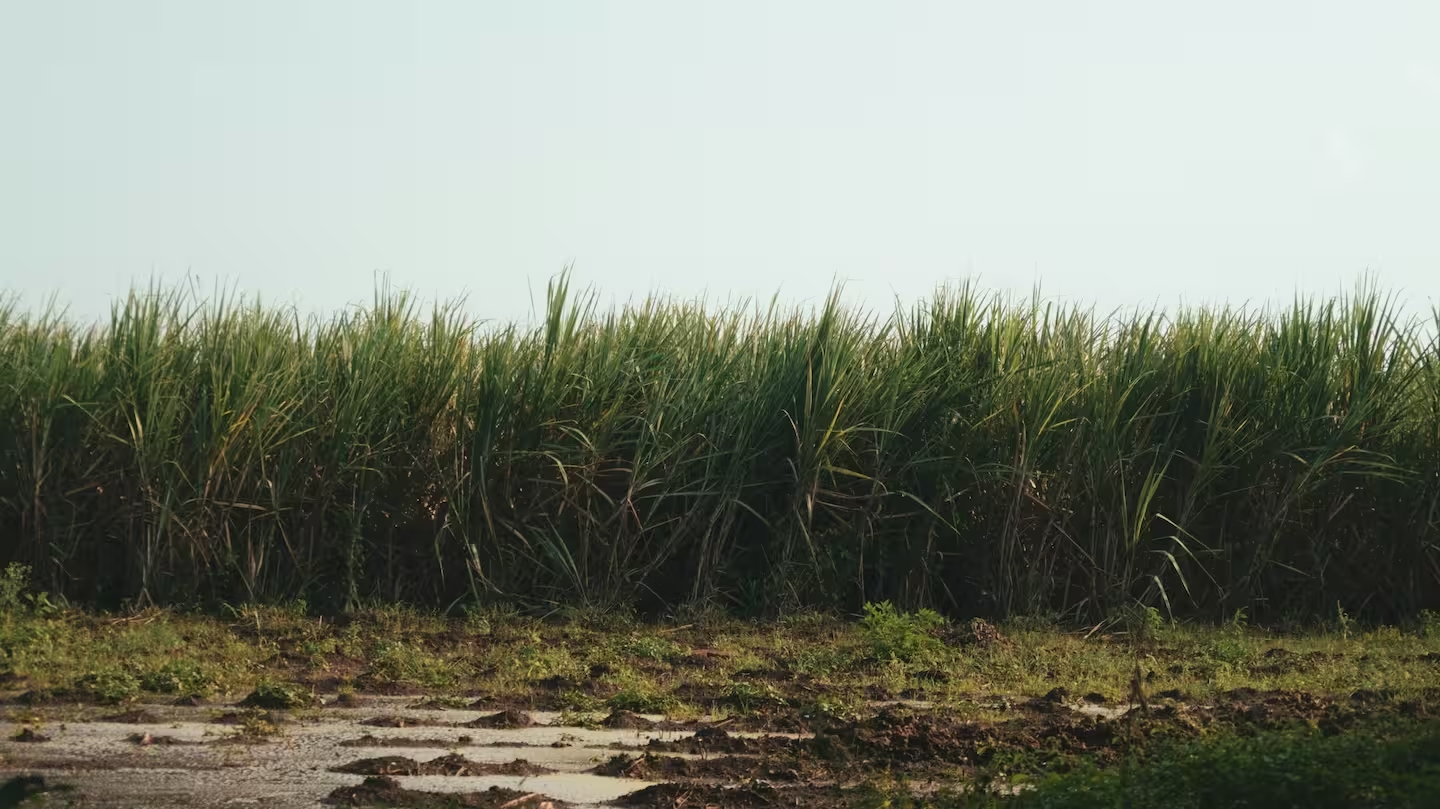
Many of the industrial plants in Cancer Alley are built on the land where slave plantations once stood. In the 20th century, after slavery was abolished, many of the sugarcane plantations in the area adopted mechanical harvesting methods as well as pesticides and fertilizers derived from oil.
By the mid-1900s, petrochemical plants began taking over and repurposing old plantation land, with the help of government policies and tax exemptions. Since 1936, Louisiana has offered industry a 100% local property tax exemption for 10 years, a policy that was reduced to an 80% exemption with local parish approval in 2016.
In 1987, 15 residents died of cancer along a two-block radius. In 1988, local groups organized a protest march from Baton Rouge to New Orleans, known as the “Great Louisiana Toxics March.” Despite many lawsuits against petrochemical plants, the industry continued to grow and thrive.
Grassroots organizations and non-profits such as the Concerned Citizens of Norco, the Louisiana Bucket Brigade, and the Deep South Center for Environmental Justice, fought and in some cases continue to fight for the public health of Cancer Alley’s residents. In extreme cases, residents fought for their homes to be purchased by industry at market rates, and sometimes this succeeded, allowing residents to relocate to safer neighborhoods. Yet, industrial plants continue to practice unsafe environmental practices.
Current challenges in Cancer Alley
Cancer Alley received national attention under the Biden administration. However, certain court cases and recent EPA changes have put residents in this Chemical Corridor at an even greater risk. Recent federal regulations are being rolled back, and the addition of new petrochemical plants is in progress.
Industry profit is being prioritized despite prevalent public health crises. The March of Dimes annual report released on November 17th, 2025, found that in 2024, the rates of preterm birth in Louisiana increased from 13.4% in 2023 to 14% in 2024. 17.4% of Black women’s births were preterm compared to 11.6% of White women. Children are expected to be one of the most-impacted groups from the recent EPA roll-backs.
The region’s air quality monitoring also has many gaps. Air quality monitoring is essential because it provides evidence for air pollution that environmental justice organizations and communities can use to validate and trace the harm being caused. Air pollution data raises awareness and supports change-making.
The air quality monitoring battle
Yet, the majority of regulatory-grade air quality monitors are located at either end of cancer alley, without many in the middle. Roughly two monitors cover an 85-mile stretch of land, which is not nearly enough with regard to the number of industrial plants in this area. Moreover, many of the worst air pollutants contributing to cancer risk are not being measured by these monitors.
The lack of regulatory air monitoring equipment is not the only challenge. Recently, regressive and technologically unfounded laws have been passed that restrict the ability of communities to gather air pollution data to support their efforts in fighting back against polluting industries.
The Industry-backed Louisiana Community Air Monitoring Reliability Act (CAMRA), signed by Gov. Jeff Landry in 2024, even requires community groups to use the latest Environmental Protection Agency equipment in order to allege that violations of the Clean Air Act or other laws have taken place. Such equipment can cost exorbitant amounts of money compared to lower-cost sensors that are widely used by community groups.
Under the threat of fines up to $1 million dollars under the CAMRA, some community groups stopped publishing their air quality findings to the public. Last year, advocacy groups sued the state of Louisiana for the CAMRA Act. Fortunately, in April, U.S. District Court judge John deGravelles issued a temporary order preventing the state from penalizing environmental groups for violating the state rule while the broader lawsuit is still in progress.
This win is small, however, and broader restrictions still exist. The fight for clean air in Cancer Alley is still far from over.
Looking forward
Environmental Justice groups and community members are committed to protecting public health and the environment in Cancer Alley.
Everyone has the right to breathe healthy air. Air quality sensors are integral to this mission, both in Louisiana and other instances of environmental injustice around the world. Partner with Clarity to implement a low-cost air quality sensor network and promote clean air for all.