Search results
Explore Clarity's wildfire articles on smoke composition, health impacts, AQI safety, and real-time air quality monitoring for fire season preparedness.
Explore the proposed Wildfire Air Quality Sensor Expansion Act of 2026 and why hyperlocal air quality monitoring matters during this year’s wildfire season.
.png)
While global burned area from wildfires has declined due to land use changes, many regions are experiencing more intense fire seasons, with more people living in high-risk areas.

Wildfire season varies across the U.S. As climate change drives longer, more intense fire seasons nationwide, once-localized risks now threaten public health, ecosystems, and air quality across the country.

How do wildfires affect air quality and human health? Explore the short- and long-term impacts of wildfire smoke on people, ecosystems, and the climate as fires grow more frequent and intense in 2026.

As pandemic and wildfire season collide, we need answers to combat both crises. Discover solutions for a safer and healthier future. Act now!

Why does real-time air monitoring matter during wildfire season? A dense, hyperlocal sensor network reveals the true smoke-exposure levels communities face and drives faster alerts and action to protect public health.
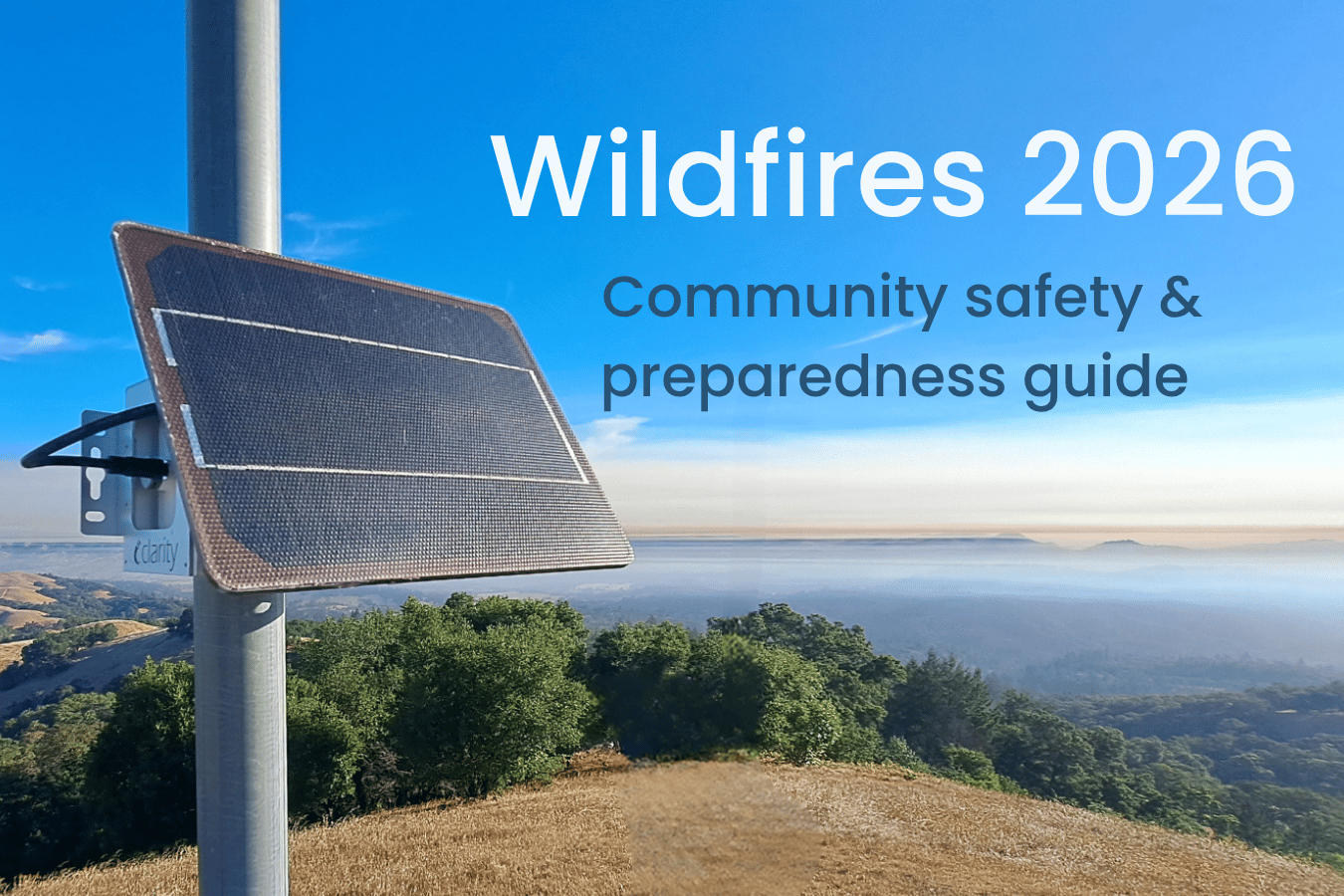
Find out the 2026 wildfire season outlook and how your community can get ready. Understand practical safety measures and access a downloadable wildfire preparedness checklist while learning how real-time air monitoring tracks smoke.

Examining the the immediate and long-term needs and the challenges posed by wildfires and air pollution in Sacramento, California

In 2026, US wildfires have burned more than 7.9 million acres, 165% of the ten-year average, and Canada is coming off its second-worst season on record. See how climate change and human activity drive North America's wildfires.