Image provided by Matt C via Unsplash.
TL;DR: Some jobs expose workers to high levels of air pollution. Firefighters, traffic police, drivers, agricultural workers, miners, construction workers, and more can face air pollutants ranging from particulate matter to diesel exhaust and silica dust. These exposures can raise serious health risks. Stronger protections and air quality monitoring can help protect both workers and surrounding communities.
The health effects of air pollution
Air pollution poses significant harm to human health. For instance, particulate matter (PM) can enter the body, move into the airways and lungs, and even enter the bloodstream. Nitrogen dioxide (NO2) can irritate the airways and respiratory system, aggravate asthma, and contribute to greater emergency room visits. The effects of ambient and household air pollution combined have been linked with 7 million premature deaths every year.
Children, older adults, people living with chronic conditions, people of color, and those with lower incomes are most affected by ambient air pollution. However, certain professions can also put individuals at greater risk of exposure to harmful air pollutants. For example, people who work outdoors face higher exposure to air pollution from cars and other ambient sources. In fact, it has been estimated that at least 20 million outdoor workers in the United States are exposed to air pollution at work. However, many different industries similarly face high exposure.
Firefighters face high air pollution exposure
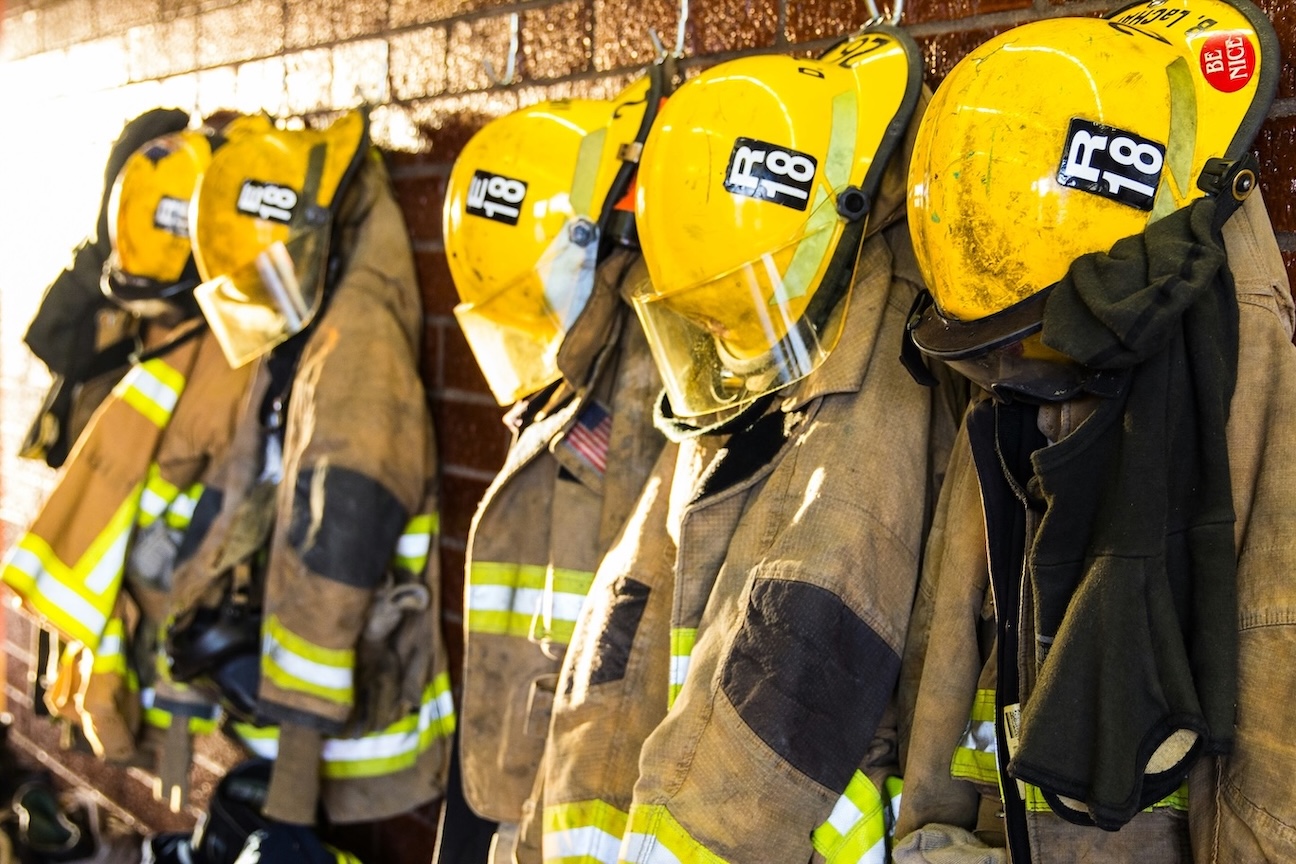
Firefighters can be exposed to potentially hazardous levels of benzene, carbon monoxide, asbestos, hydrogen cyanide, polycyclic aromatic hydrocarbons (PAHs), particulate matter, and diesel exhaust. Firefighting can increase the risk of death from cancer and COPD.
Wildfire smoke contains many different air pollutants, including volatile organic compounds (VOCs), nitrogen oxides (NOx), and black carbon (also known as soot). The particulate matter produced by wildland-urban interface (WUI) fires may contain hazardous air pollutants, such as trace metals like lead and zinc.
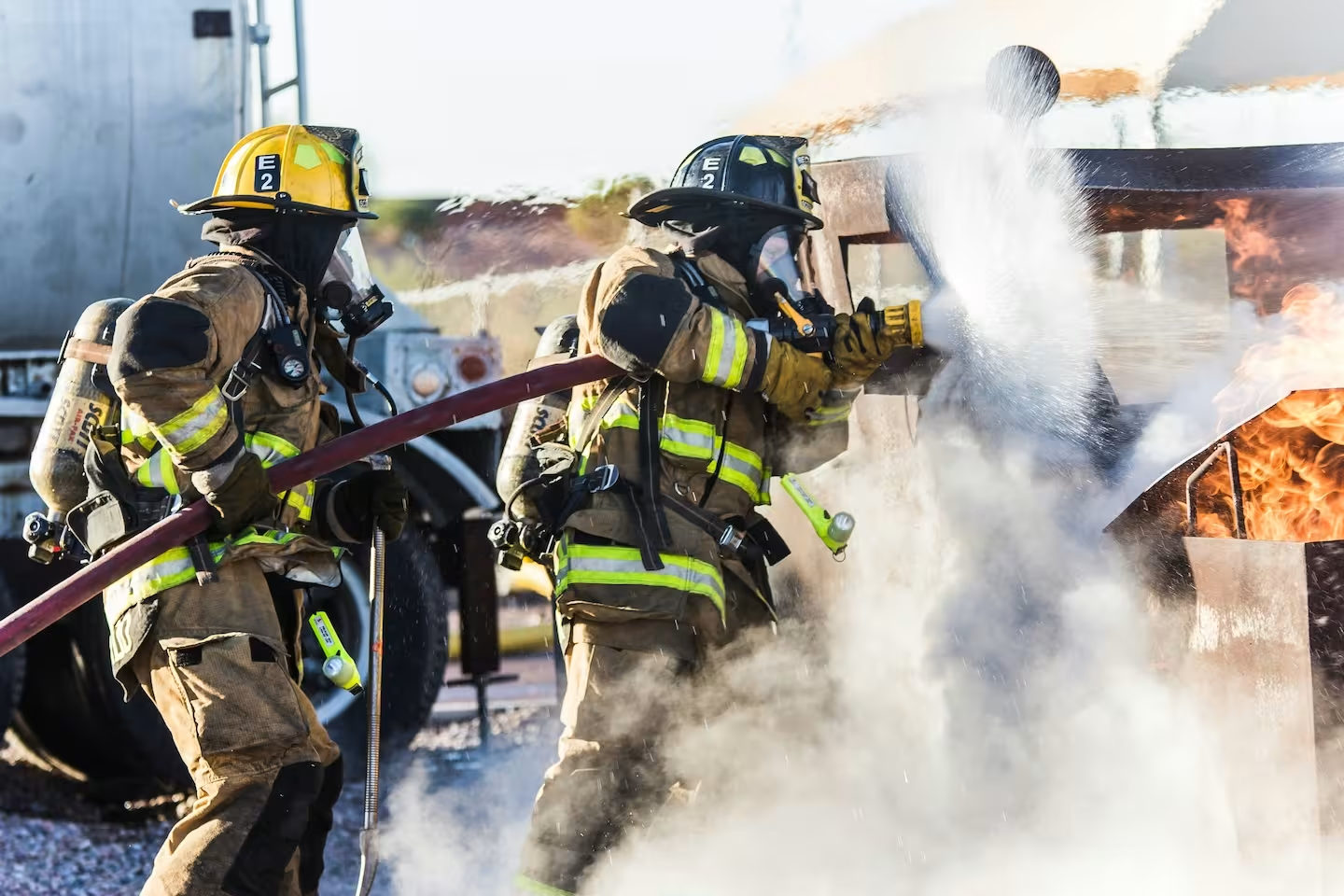
Interestingly, while urban firefighters have long been required to wear masks, those fighting wildfires have largely not worn respiratory protection. The Forest Service even used to have a ban on wearing masks for wildfire firefighters. This ban was in place so that the Forest Service would not have to acknowledge the harmful effects of wildfire smoke on its workers, pay for masks, treatments, and other expenses, while keeping recruitment high.
However, the U.S. Forest Service recently lifted the ban and is providing N95 respirators to wildfire firefighters, even as the workforce culture might still prevent some firefighters from wearing masks for fear of seeming weak.
Air pollution risk for traffic police and professional drivers
Traffic police in urban areas often have to stand in the middle of busy intersections where they are exposed to high levels of vehicular air pollution, including fine particulate matter (PM2.5). Outdoor traffic workers have been observed having greater carotid intima-media thickness (CIMT) than similar office workers, which increases the risk of premature mortality.
Professional drivers are also exposed to traffic-related air pollutants for long periods of time. A study in London looked at 141 drivers across different sectors of the city. It found that these professional drivers were exposed to 2.6 times more black carbon air pollution when they were at work compared to when they were not at work. Sometimes, exposure spikes were greater than 100 µg/m3, with tunnels and congestion areas posing the most risk.

Driving in heavy traffic more generally can expose you to air pollution. In fact, driving on the freeway can expose you to air pollution levels five to ten times higher than those in the surrounding areas. While rolling up the windows and setting your car ventilation system to recirculate can help, they do not completely eliminate traffic air pollution exposure.
Agricultural and farm workers face high air pollution exposure
Agricultural and farm workers often perform physically demanding labor outdoors for long periods of time. They are vulnerable to ambient air pollution and extreme heat. According to a review of federal farmworker death records, researchers looked into 168 sudden farmworker deaths on the job that occurred between 2018 and 2022 in California. 83 of these deaths occurred when temperatures exceeded 80°F, and all of them occurred in counties with chronically unsafe air.
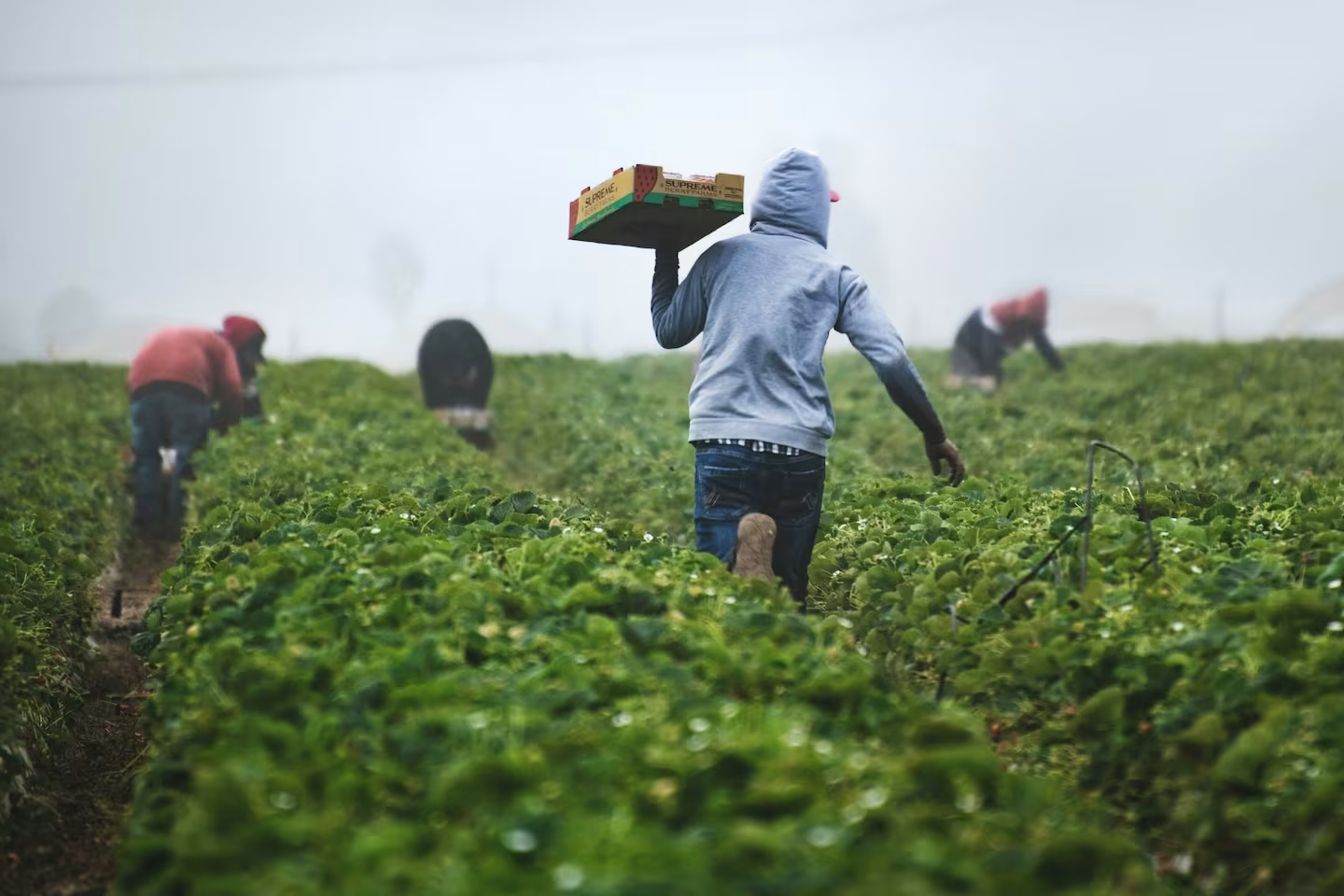
Climate change has been exacerbating this issue, with more days of intense heat. Agricultural workers are 35 times more likely to die of heat-related illness than workers in other industries. Climate change is also making wildfires more likely to break out in certain climates, including agriculturally-heavy states like California. Since agricultural workers operate outdoors, they are at high risk of wildfire smoke exposure. To make matters worse, farmworkers are often pressured to keep working through hazardous conditions.
Miners face high air pollution exposure
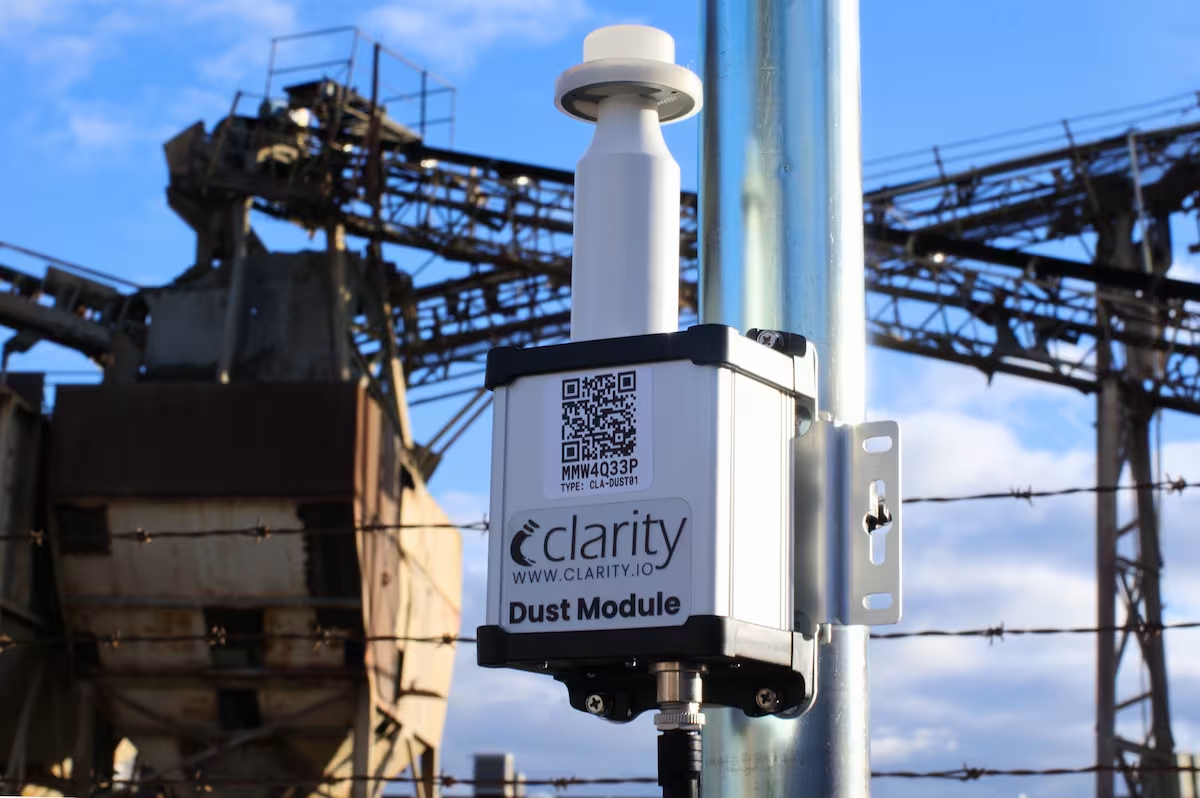
Miners are at risk of being exposed to coal mine dust, which contains a combination of coal and often other rock strata such as limestone, clay, sandstone, and more. Coal workers are at a higher risk of developing simple coal workers’ pneumoconiosis (CWP), chronic obstructive pulmonary disease (COPD), and progressive massive fibrosis (PMF). They are also at risk of developing silicosis. Between 1995 and 2004, CWP contributed to the deaths of 10,406 miners in the United States.
Construction workers face high air pollution exposure
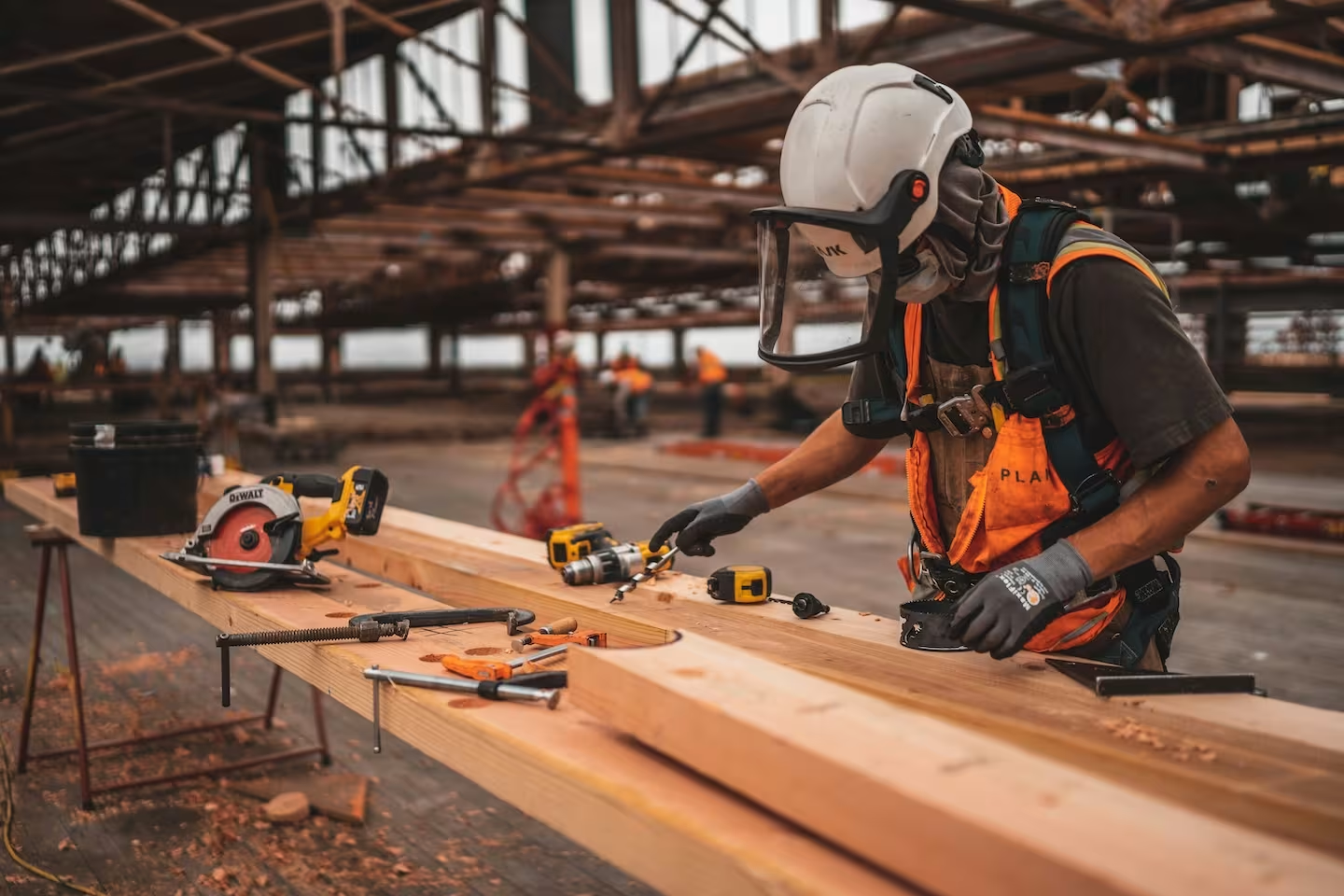
Construction workers are at risk of being exposed to particulate matter (PM) air pollution from demolishing, concreting, excavating, and moving construction materials. One study even supports the conclusion that PM10 and PM2.5 concentrations remain very high even after implementing efficient control measures.
The type of particulate matter can vary depending on the materials that are being used in construction. Sometimes, these materials can be toxic, such as buildings with lead-based paint or silica. In the United Kingdom alone, it is estimated that over 500 construction workers die from silica dust exposure every year.
Looking forward
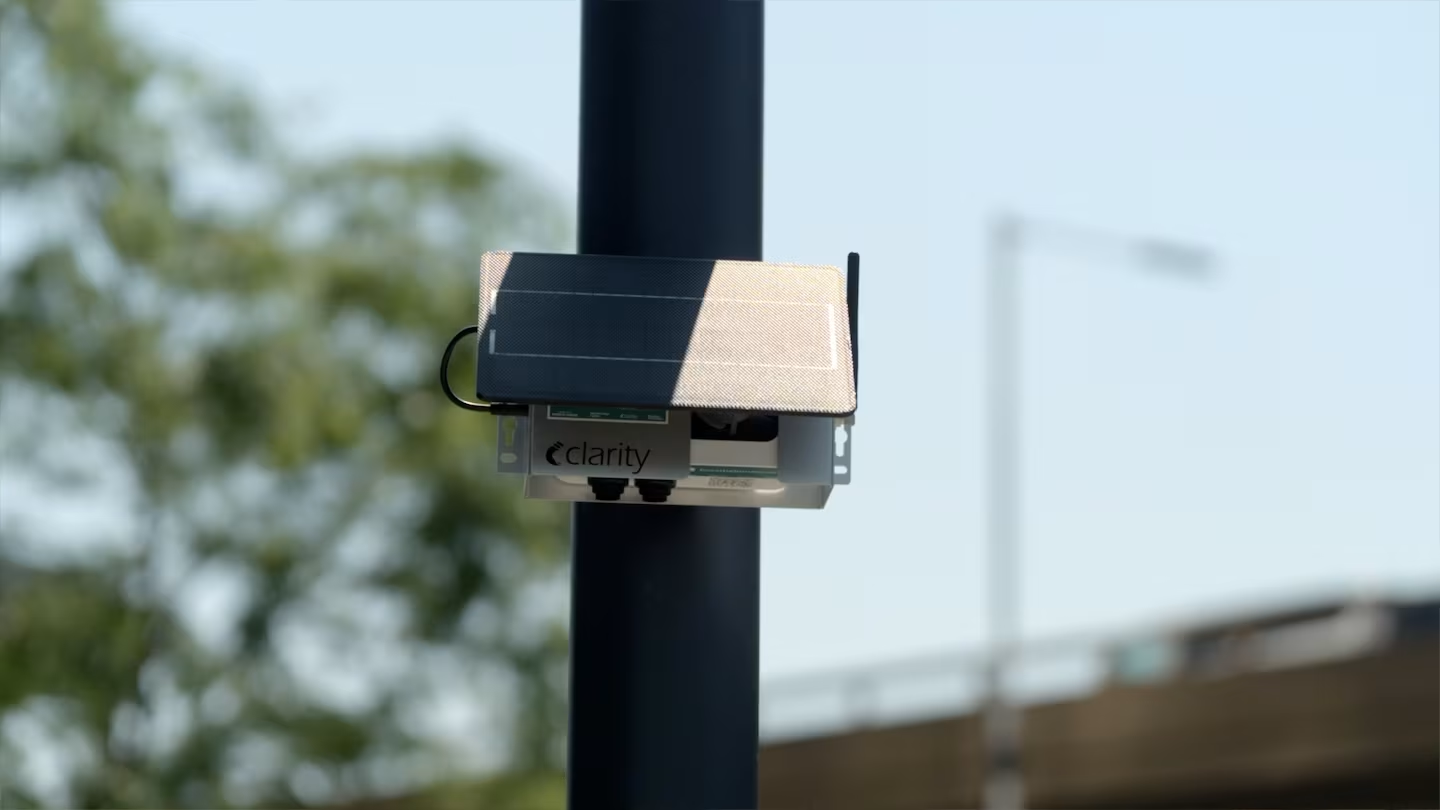
While certain industry workers can face a higher risk of air pollution exposure, proper workplace precautions, protections, and air quality monitoring can help ensure the safety of both workers and surrounding communities. Partner with Clarity to implement an air quality monitoring network to promote cleaner air.