Image provided by Eddie Mark Blair via Unsplash.
TL;DR: Dust (PM10) air pollution consists of inhalable coarse particles that can harm respiratory health. Transporting materials contributes through diesel exhaust, road dust, and cargo loss, while handling and storage can add further emissions. Strategies like covering loads, reducing vehicle speeds, and using water or dust suppressants can help reduce impacts.
What is dust (PM10) air pollution?
Particulate matter refers to a combination of solid and liquid particles suspended in the air. Some particles are visible, creating the haze often seen above cities, while others are too small to be seen with the naked eye.
Particulate matter can be sorted into a variety of categories based on size; however, it is PM2.5 and PM10 that are regulated by the United States EPA per the National Ambient Air Quality Standards. Most countries with air quality regulations around the world follow a similar structure. PM2.5 refers to particulate matter with a diameter of 2.5 micrometers or smaller, while PM10 refers to any particulate matter with a diameter of 10 micrometers or smaller.
PM10 is also known as coarse particulate matter or dust. It is small enough to be inhaled. Once it enters the body, PM10 can cause a variety of adverse health effects, from lung inflammation to worsening of respiratory diseases, making it important to monitor and reduce PM10 emissions.
How can transporting materials lead to dust air pollution?
Common sources of PM10 air pollution include certain industries and professions, such as construction, agriculture, and mining. There are even significant natural sources of PM10. However, storing and transporting materials can also result in dust air pollution in a variety of ways.
Emissions sources in transit
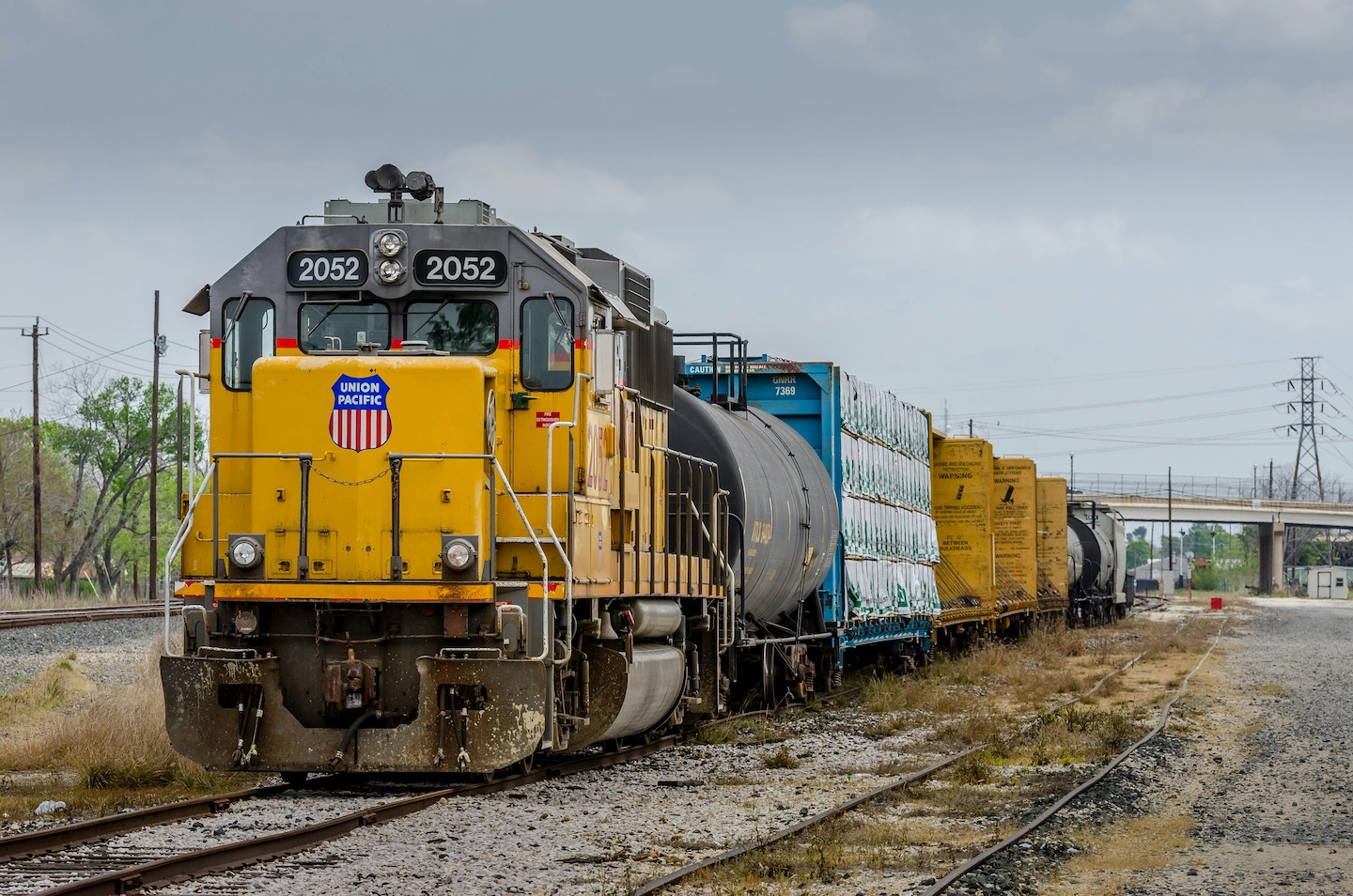
Most freight trucks, locomotives, and ships are powered by diesel engines, which emit significant amounts of PM10 air pollution. In fact, freight movement produces 36% of all PM10 emissions from mobile sources.

Beyond exhaust emissions, freight also produces PM10 air pollution through road dust resuspension. This is when the particulate matter settled on the surface of roads gets lifted back up into the air by vehicle travel or wind. A vehicle’s wheel picks up the dirt from the road, and the air flow created by the movement of the vehicle pushes the dirt up into the air in the vehicle’s wake, affecting local air quality. Road dust resuspension is particularly problematic when it comes to unpaved roads.
Fortunately, there are some ways to reduce road dust resuspension emissions. For paved roads, some strategies include street sweeping, minimizing trackout, and removing any deposits on the road in a timely manner. For unpaved roads, you might consider limiting vehicle speed to 25 miles per hour, applying water or a dust suppressant, and, if possible, paving the road’s surface.
Lastly, fugitive dust from the cargo being transported is a form of coarse particulate matter air pollution. For instance, coal dust can leak out of open train wagons when on the move, or be blown into the atmosphere by wind, affecting nearby communities. BNSF Railway even found that every uncovered coal car can lose between 500 pounds and 1 ton of coal in transit.

There are ways to reduce fugitive dust from transported cargo. Strategies include cleaning cargo compartments and fixing any holes or gaps they may have. You can also place a cover over transported materials, ensure that there is at least 6 inches between the filled cargo and the top of the truck bed, and apply water or a chemical dust suppressant to the load to prevent dry dust from flying off.
Emissions source: Handling and storing cargo
Transporting often involves loading, unloading, and storing materials. Without proper precautions, these activities can result in dust air pollution. For instance, outdoor storage piles, sometimes used for bulk materials, become a source of PM10 air pollution when left uncovered. Loading and unloading material from the pile, as well as wind disturbance, can result in substantial fugitive dust. Transferring materials through buckets or conveyors can similarly result in dust emissions, as well as loading materials onto trains for transportation.
Fortunately, watering storage piles or using chemical wetting agents can help control dust emissions. In fact, continuous chemical treating of material loaded onto piles, coupled with watering or treatment of roadways, can reduce total particulate emissions from aggregate storage operations by up to 90%.

Coverings, such as tarps and three-sided enclosures, can help protect from wind erosion. Work practices such as loading and unloading materials on the downwind side of the pile and regular cleanup of spillage additionally mitigate dust air pollution. Reducing vehicle speed around storage piles and using enclosed conveyors are also strategies to reduce emissions.
Accurate measurement is the first step to managing dust air pollution
Accurate air quality monitoring can help reduce dust air pollution by demonstrating where high emissions are occurring, equipping communities, companies, and regulators with the data they need to enact change, and showing the impact of dust mitigation strategies.
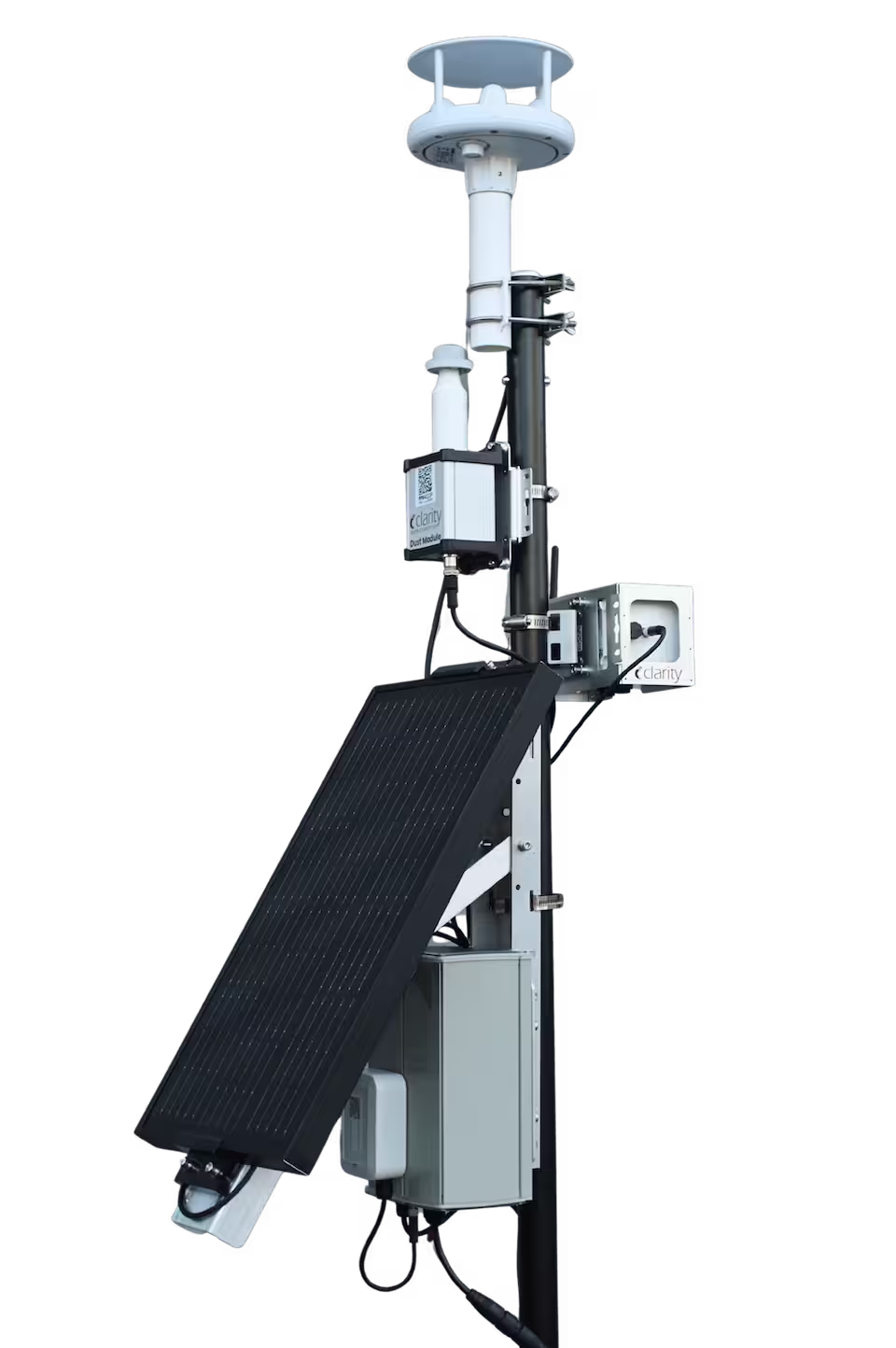
Clarity’s Dust Module delivers precise, near-reference measurement of coarse particulate matter (PM10). Partner with Clarity for an accurate dust air pollution monitoring solution.