20+ Node-S
air quality sensors in the network
1 Black Carbon Module
to track vehicular air pollution emissions
1.57 million
people living in Hillsborough County

Hillsborough County, Florida, built a network of more than 20 Clarity Movement Node-S sensors to track traffic-related air pollution in neighborhoods that regulatory monitors don't reach.
.jpg)
The Community Air Quality Monitoring Network (CAMN) is a community-driven air monitoring project in Hillsborough County, Florida. CAMN is a collaborative effort between the Hillsborough Transportation Planning Organization (TPO), the University of South Florida (USF), the Environmental Protection Commission of Hillsborough County (EPC), Tampa Heights Junior Civic Association (THJCA), and other community-based organizations.
The project’s initial goals were to establish a network of air quality sensors along interstate freeways to study air pollutants over time using data from these sensors, build community capacity around air pollution, and inform future planning efforts to improve air quality.
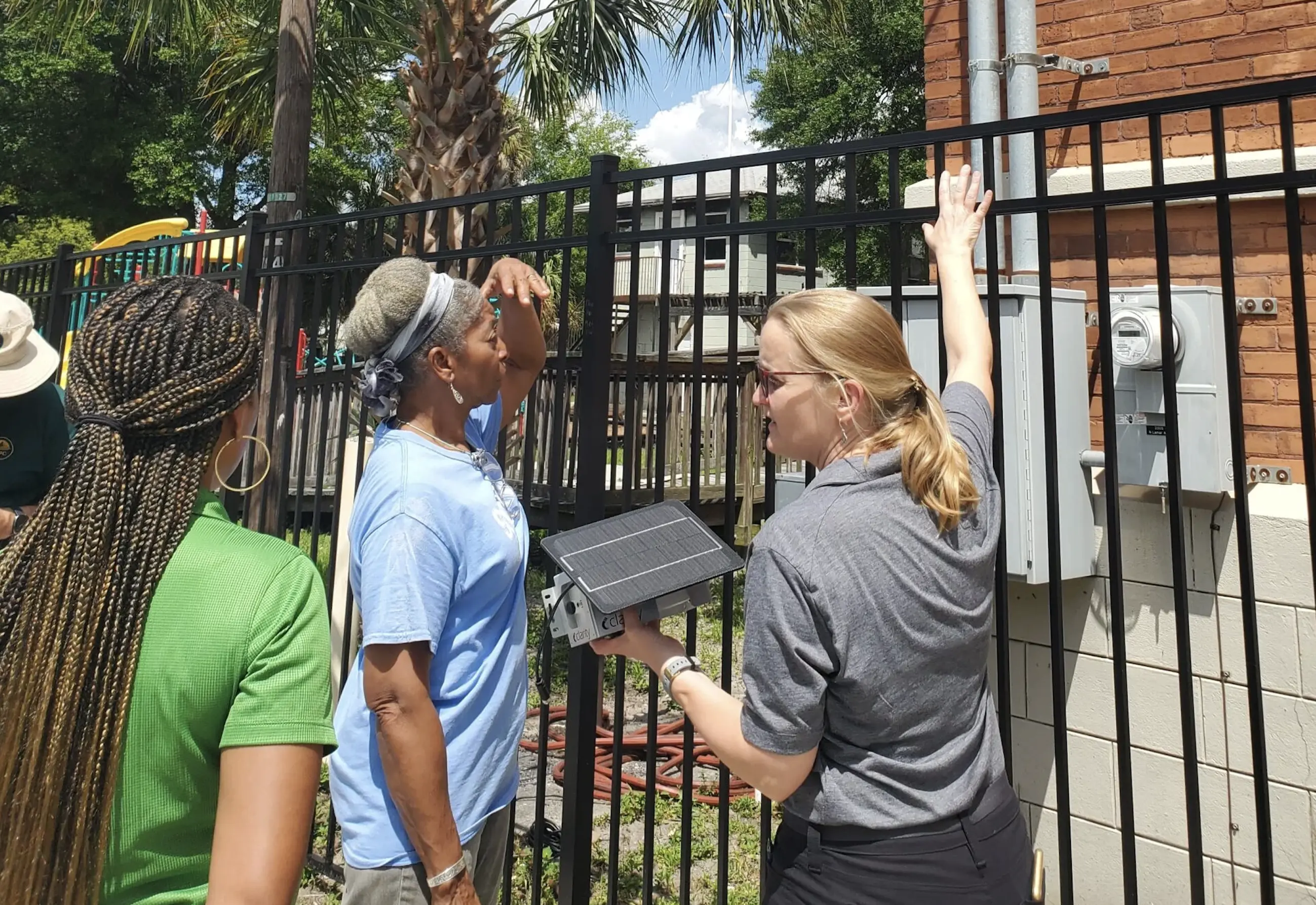
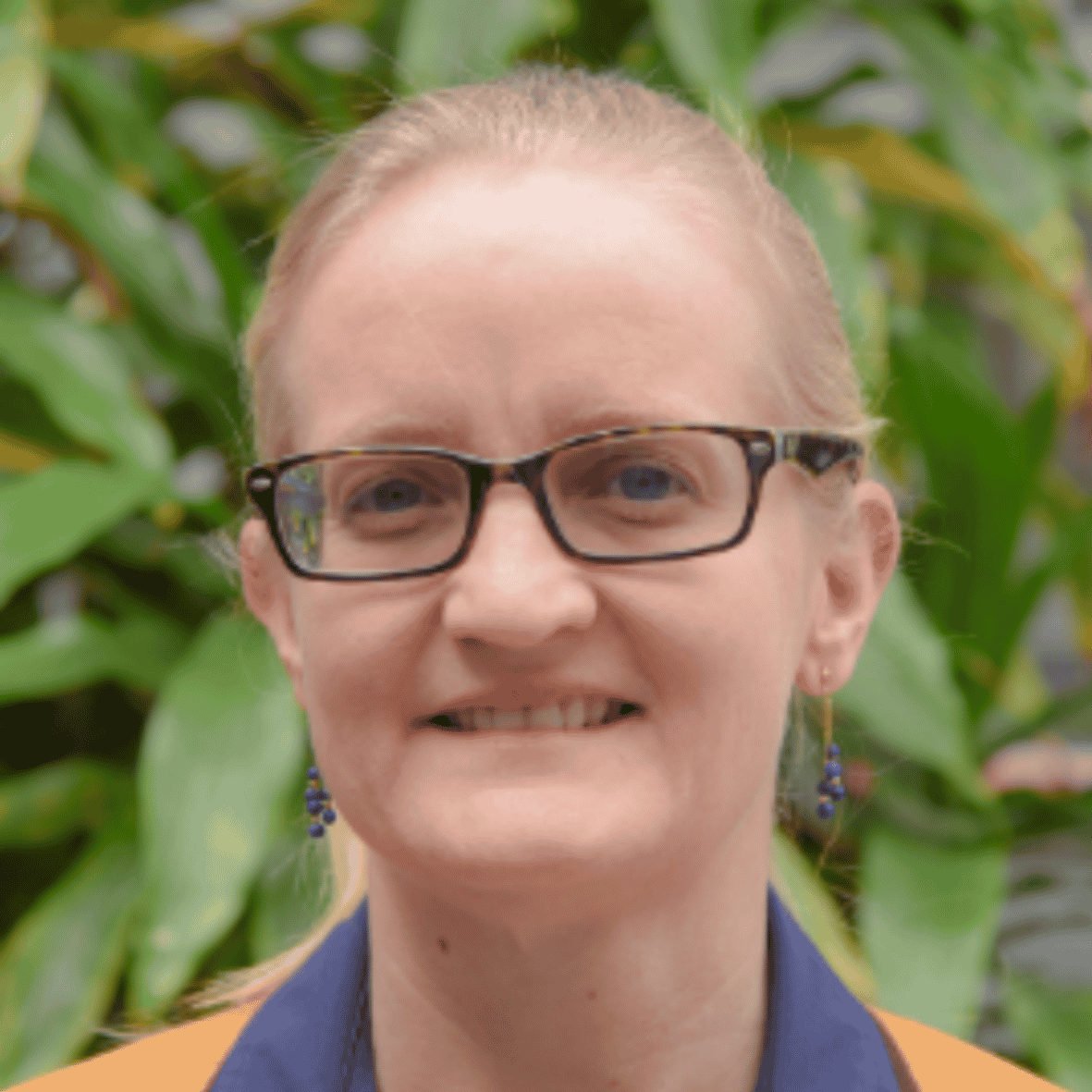
Researchers at USF, led by Dr. Amy L. Stuart, who specializes in air quality studies, tested and selected appropriate air quality monitors, conducted site reconnaissance, installation, and sensor maintenance, performed data analyses, developed educational materials, and provided community engagement activities in collaboration with the TPO and EPC.
The TPO has served as the overall project facilitator, grant project lead partner, and equipment purchaser, handling tasks ranging from organizing meetings, facilitating host site identification and selection, and planning community events. The EPC provided installation support, general air monitoring expertise, and participated in community engagement activities. The THJCA acted as the main community partner and advocate, connecting the project with community members and potential hosts.
The stated objectives of the CAMN project are to engage communities by creating a grassroots network of monitoring stations, gather and share real-time data, and provide educational opportunities for STEM learning for communities, including youth. The long-term goals are to empower communities and the TPO to use data to influence transportation decision-making toward improved air quality and equity.”
— Amy L. Stuart, Professor and Chair, Department of Global, Environmental, and Genomic Health Sciences, College of Public Health, University of South Florida
CAMN arose out of community concern around traffic-related air pollution (TRAP). Population growth has led to increased vehicle traffic in Hillsborough, with underserved communities, including Black, Hispanic, and low-income individuals, disproportionately exposed to this type of air pollution.
In 2020, the community expressed concerns about air pollution to the TPO, particularly near the interstates, prompting a pilot study exploring the use of air quality sensors along interstate highways. Over a quarter of the county’s population lives within 1,000 feet of a high-volume road, where elevated concentrations of vehicle exhaust are commonly found.

While Hillsborough did already have highly accurate regulatory air monitors managed by the EPC, these regulatory-grade monitors can cost roughly $50,000 per year to operate. As a result, they are sparsely populated and may not capture neighborhood differences in traffic pollution.
Air quality sensors like the Clarity Node-S, on the other hand, are relatively inexpensive, making it possible to deploy a larger network of them, where they can collect hyperlocal air quality data and identify air pollution hotspots.
CAMN began with a pilot study, funded by the TPO, USF, and the EPC. The pilot study lasted from 2021 to 2023. The project tested a variety of air quality sensors to determine which would be best to implement in the Hillsborough network, established initial monitoring sites, and marked the beginning of community engagement initiatives.
Sensors were collocated with regulatory monitors to assess the quality and usability of the sensors' data. The USF team found that the corrected 24-hour PM2.5 measurements from the Clarity Node-S were the highest-quality data.
Eventually, based on pilot study findings, CAMN chose Clarity Node-S and PurpleAir sensors for their monitoring network.
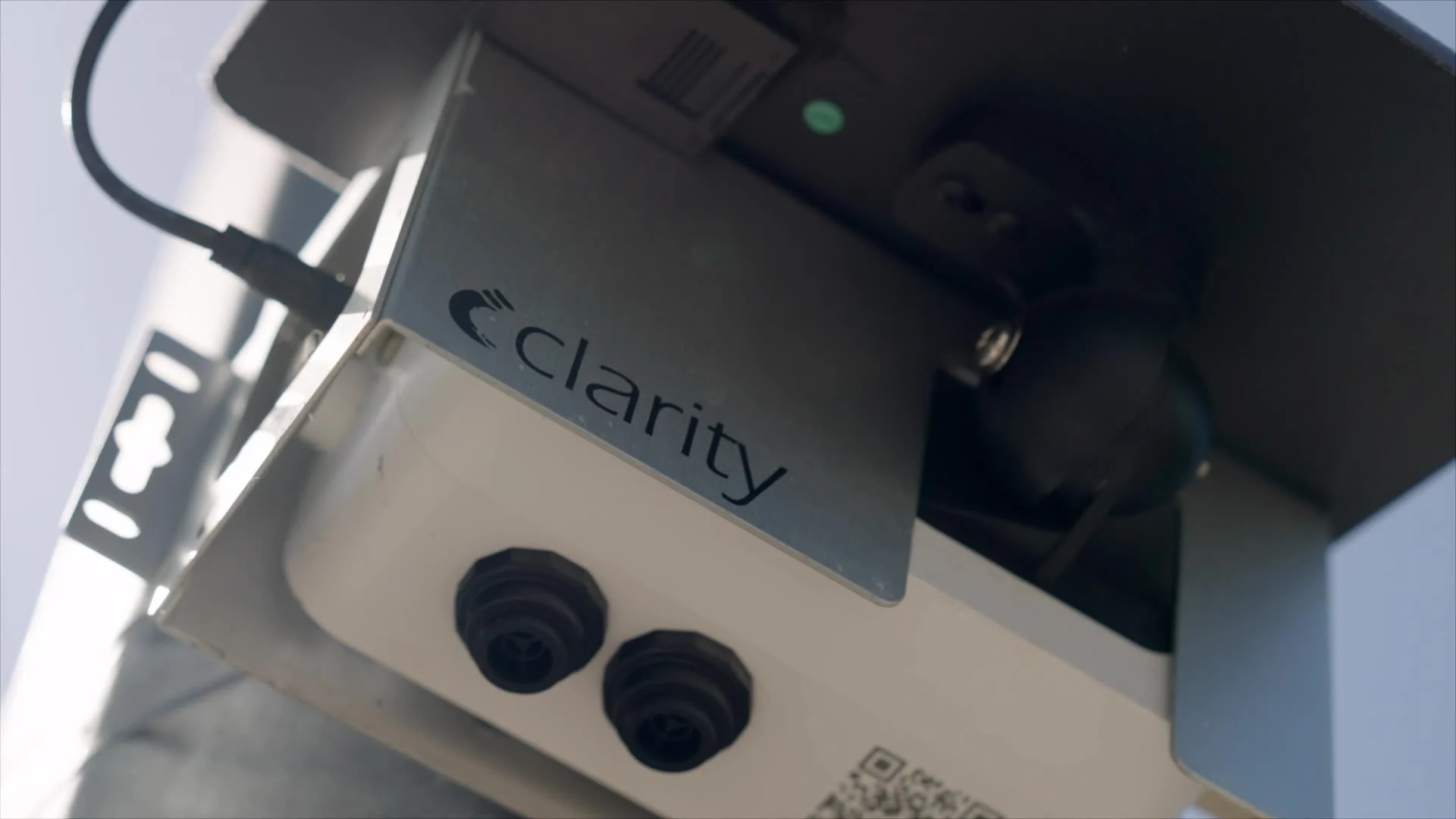
Clarity sensors also proved useful for community sites that may not have easy access to wifi or power. The Node-S air quality sensors are an affordable solution that use cellular data and solar power to operate self-sufficiently while providing reliable, real-time data. Clarity’s ongoing technical support also helps to minimize the amount of administrative overhead required to manage the sensor network.
We chose Clarity because it provides an affordable solution with ongoing support, real-time data sharing, cellular data transfer and solar power, and measures both PM2.5 and NO2. For a network intended to be at public locations, solar power and cellular data transfer turned out to be instrumental. The capability of public data sharing and ongoing technical support is also necessary for a community-based network.”
— Amy L. Stuart, Professor and Chair, Department of Global, Environmental, and Genomic Health Sciences, College of Public Health, University of South Florida
The CAMN team has put the full suite of Clarity Cloud data access tools to use with this project. USF researchers pull data through the Clarity API and run their own analyses in code, while the Clarity Dashboard covers quick network checks. Community hosts can view public data on Clarity OpenMap and keep an eye on their sensor without any technical expertise. Clarity Dashboard, OpenMap, and API access are all included free of charge with Sensing-as-a-Service.
The pilot study enabled CAMN to secure additional funding from both the Environmental Protection Agency (EPA) ARP grant and the Federal Highway Administration (FHWA) State Transportation Innovation Council (STIC) incentive program. With these resources, CAMN expanded and today contains more than 20 Clarity sensors.
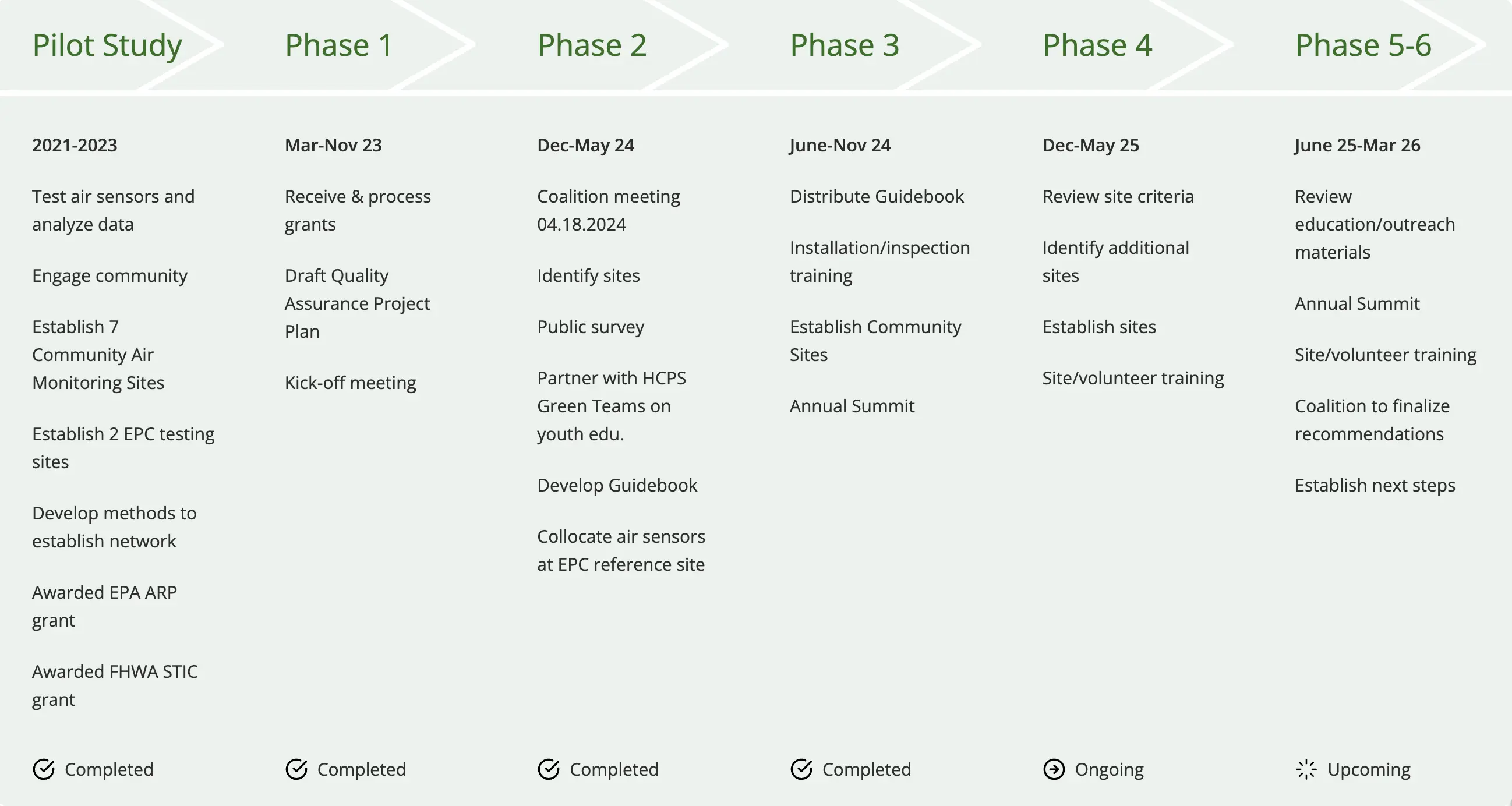
Sites were selected based on community input and proximity to pollution sources, such as the Interstate 275 and Interstate 4 interchange. During the COVID-19 pandemic, the project held an online mapping event where community members could point to where they would like a sensor placed on a virtual interactive map and explain their related air pollution concerns. This shaped the current network site locations and provided potential additional sites for future network expansion.
Given the focus on transportation-related air pollution, CAMN decided to include Clarity’s Black Carbon Module in the network. The team was interested in monitoring black carbon because it is an even better proxy for overall traffic-related air pollution than PM2.5 or NO2. The Black Carbon Module was collocated to ensure accuracy and has been successfully collecting data for two years.
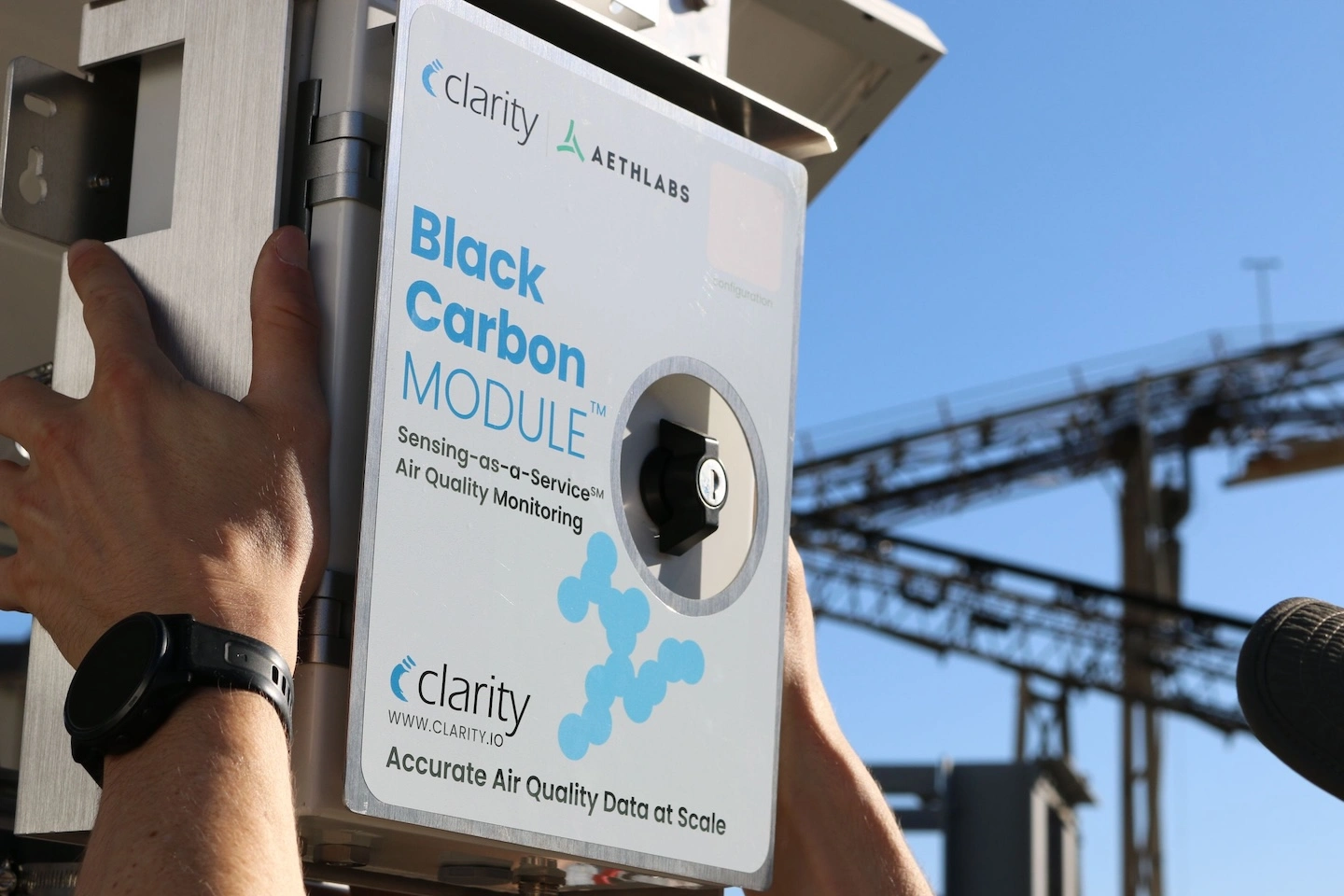
When we started working with Clarity and found out about the Black Carbon Module, we decided to include it since it is a better marker for traffic pollution than just PM2.5 and NO2.”
— Amy L. Stuart, Professor and Chair, Department of Global, Environmental, and Genomic Health Sciences, College of Public Health, University of South Florida
CAMN has had a positive impact on Hillsborough County. Not only has it supplied hyperlocal, accurate air quality data, but it has also significantly increased community engagement and education.
CAMN has held workshops in which project team members taught community members about air pollution, key takeaways from air quality data, and how to set up their own monitors. It provided learning modules based on air pollution data for local K-12 education.
The project hosted recurring quarterly coalition meetings where residents, youth, and partner agencies shaped the network’s planning together. CAMN information was shared at a multitude of events, including the Clean Air Fair, World Car-Free Day, and more. There have been 9 coalition events thus far.
The network provided key insights that interested the community. For instance, the data showed that air quality tended to be better in parks, sparking local interest in the role of trees in inhibiting air pollution and motivating community members to propose the inclusion of tree barriers along major roadways during local planning meetings.
CAMN’s success has been recognized by the Florida Chapter of the American Planning Association, which gave CAMN the Award of Excellence in the Grassroots Initiative category as part of its 2025 Project Awards.
While CAMN has been a success, Dr. Stuart emphasizes that simply having the right air quality data is not enough to make an impact. Education and engagement programs are essential to ensure community members understand the data and how they can use it to take action to protect clean air. Participating community members left CAMN workshops feeling more engaged with the air quality monitoring project and empowered to take on air pollution in their neighborhoods. CAMN’s efforts positively influenced people’s perception and understanding of air pollution, enabling them to contribute to community decision-making and better protect their health.
Having a community-based network does seem to positively influence people's understanding of air pollution, and their empowerment to help improve decision-making.”
— Amy L. Stuart, Professor and Chair, Department of Global, Environmental, and Genomic Health Sciences, College of Public Health, University of South Florida
Dr. Stuart hopes to expand CAMN with more funding to cover additional air pollution sources and deploy monitors at new locations. She stressed that government support and funding are extremely helpful in sustaining community air-quality projects like these.
A long-term goal of the project is to better inform city and TPO decision-making. Neighborhood-level air quality data should help strengthen partnerships, foster community outreach, and enable healthier and more equitable transportation planning.
Hillsborough County partnered with Clarity to build an award-winning multi-pollutant air quality network to monitor and combat traffic-related air pollution. Partner with Clarity to protect clean air in your community.