TL;DR: The Wildfire Air Quality Sensor Expansion Act of 2026 responds to a wildfire season that has already burned more than 5.4 million acres nationwide. The act aims to help state, local, and Tribal government agencies deploy low-cost air quality sensors. The act is backed by senators from Colorado, Nevada, Minnesota, and Oregon, all of which are states facing serious fire activity this year.
What is the Wildfire Air Quality Sensor Expansion Act of 2026?
The Wildfire Air Quality Sensor Expansion Act of 2026 is a recently proposed piece of legislation that aims to help state, local, and Tribal government agencies monitor wildfire-related air pollution, enabling more informed public health decisions. More specifically, the act would direct the Environmental Protection Agency (EPA) to create new grant and loan programs and expand existing ones.
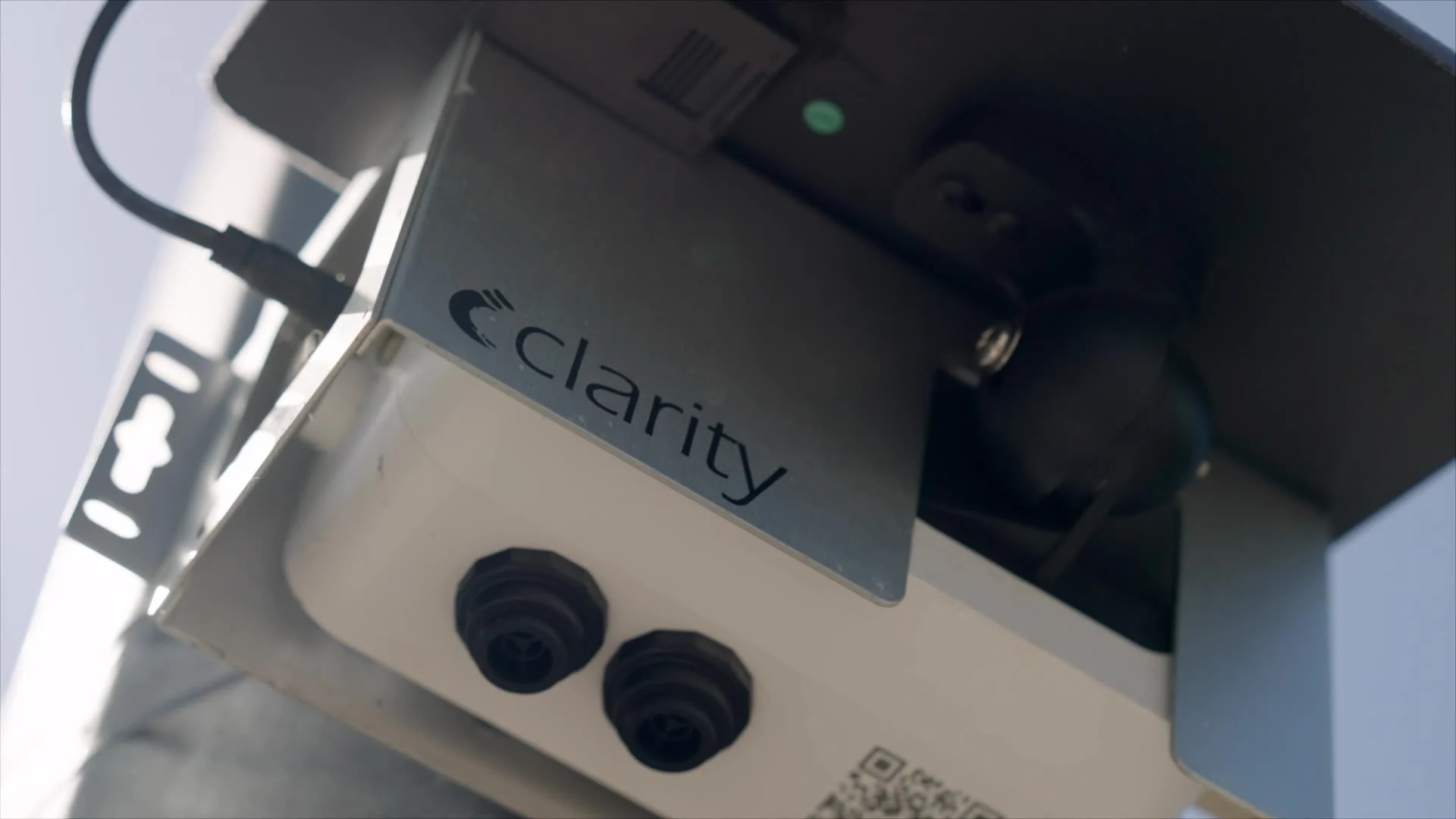
The loan and grant programs in question would allow agencies to purchase and manage portable air quality sensors. These low-cost sensors, such as Clarity’s Node-S, are perfect for monitoring wildfire smoke air pollution. Clarity is one of only a few air quality sensors approved for inclusion on the EPA's Fire and Smoke Map, and the only professional-grade solution among them. That means agencies deploying the Node-S can contribute data from their air pollution sensors directly to the map communities already rely on during wildfire events.
The bill, linked here, is still in its early stages. It was introduced by U.S. Senators Jacky Rosen, Michael Bennet, Amy Klobuchar, and Jeff Merkley.
The value of wildfire air quality monitoring
Wildfire smoke contains many harmful air pollutants, including particulate matter (PM2.5), carbon monoxide (CO), and volatile organic compounds (VOCs). These pollutants have both mild and devastating effects on human health, with vulnerable populations such as people with pre-existing conditions, older adults, and children most at risk.
Real-time air quality monitoring is incredibly important during wildfire season. It allows officials to understand air quality under rapidly changing smoke conditions. Hyperlocal wildfire smoke monitoring networks let people understand what air pollution is really like in their neighborhood, not miles away. Low-cost air quality sensors enable agencies to identify local hotspots and make the best decisions to protect the public.
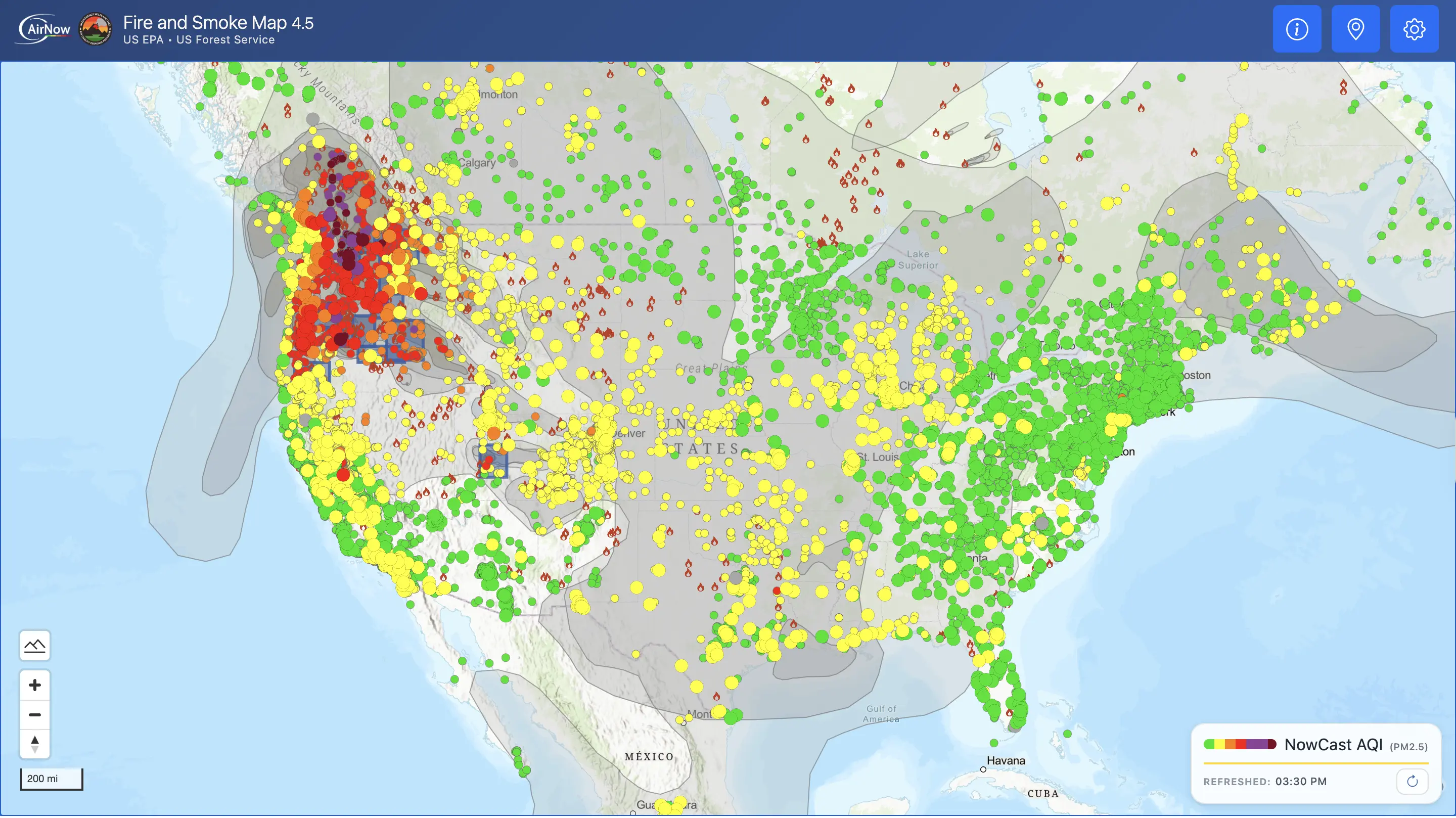
Open air quality data keeps the public informed and empowers them to keep themselves safe amidst dangerous air. Communities can find out their local air quality by checking the AirNow Fire and Smoke Map or the Clarity OpenMap. Only a handful of air quality sensors are approved for the EPA's Fire and Smoke Map, and Clarity's Node-S is the only professional-grade option among them.
The United States 2026 wildfire season
As of August 5th, firefighters have responded to 45,184 wildfires that burned more than 5.4 million acres in the United States in Fire Year 2026. Intense blazes have roared across the U.S., including all the states where the Senators who introduced the recent act reside. As global warming continues to drive hotter temperatures and drier climates, many parts of the U.S. are facing harsher wildfire seasons year after year.
Colorado’s 2026 wildfire season
Having experienced low snowpack this winter, Colorado has faced very serious fire conditions this year. In June and July of 2026, Governor Polis declared a disaster emergency response to seven fires in the state. On July 31st, over 1900 firefighters were actively fighting the wildfires, with several having lost their lives trying to protect communities. Many of the Colorado wildfires are still ongoing. Parts of Colorado are experiencing poor air quality from wildfire smoke.
Colorado is facing one of the most severe wildfire seasons to date, with Coloradans not only fearful of fire growth and destruction, but also the health risks that come with poor air quality. We need legislation like the Wildfire Air Quality Sensor Expansion Act to ensure all Coloradans can keep themselves safe and informed during the wildfire seasons ahead.”
— Senator Michael Bennet
Nevada’s 2026 wildfire season
On July 30th, five wildfires were burning across Nevada. Nearly 700 people on firefighting crews were engaged in beating back the flames. As of August 5th, the New Pass Fire had burned more than 35,600 acres and was 60% contained northwest of Austin.
As wildfires continue to ravage Nevada and the West, it is important that we take every measure possible to protect our communities. Air sensors provide a relatively easy, low-cost solution that can help protect Nevadans from harmful pollutants and support wildfire response almost immediately — which is why my bill will help make them more available. I will continue fighting to ensure that Nevadans have the federal resources they need to access clean air and stay safe from wildfires.”
— Senator Jacky Rosen
Minnesota’s 2026 wildfire season
As of August 5th, flames have burned 65,000 acres of forest in Minnesota. Fortunately, rain helped to dampen the wildfires, but hotspots still remain as of the aforementioned date. On August 4th, the largest fire was 40% contained.
In Minnesota, smoke from the recent wildfires in the Superior National Forest created hazy and unhealthy air quality conditions throughout the state. I’m supporting this legislation to help areas impacted by wildfires measure air pollutants and keep our communities healthy and safe.”
— Senator Amy Klobuchar
Oregon’s 2026 wildfire season
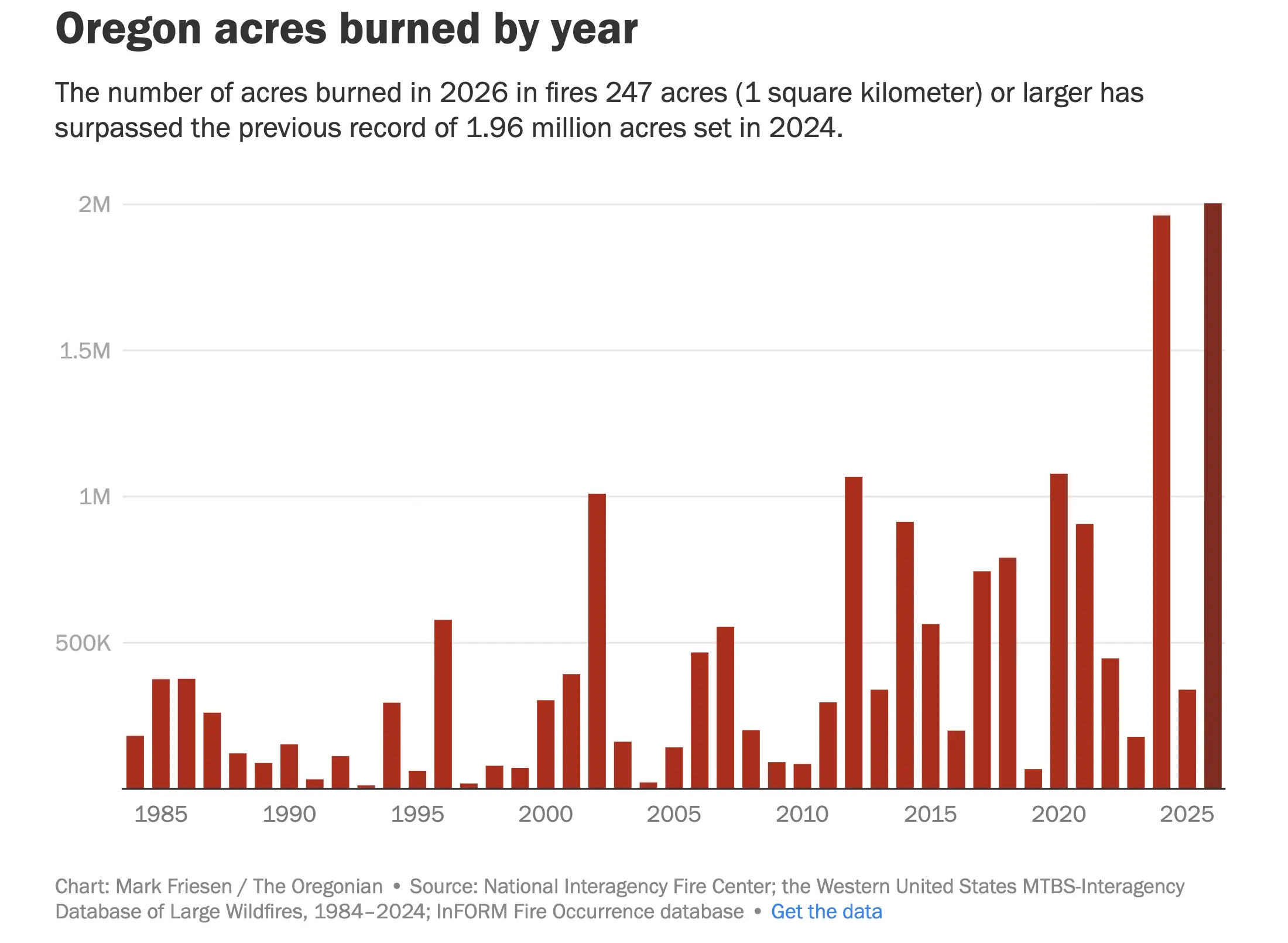
On Monday, August 3rd, Oregon’s 2026 wildfire season became the largest on record, beating out the previous record held by the 2024 season. More than 2 million acres have been burned so far this year.
When the 2020 Labor Day fires swept across Oregon, I drove over 600 miles and never once escaped the smoke that blanketed our state. Oregonians are facing yet another deadly fire season this year, and it is essential that our communities have all the necessary tools to respond to wildfires and smoke-related threats. Our bill helps communities plan for and cope with hazardous air quality caused by wildfire smoke, which threatens public health, disrupts daily life, and shows just how devastating climate chaos-fueled fires can be.”
— Senator Jeff Merkley
Looking forward: Wildfire air monitoring with Clarity
As wildfires grow more frequent and severe in many areas due to global warming, investing in wildfire smoke air quality monitoring can help protect people from smoke-related air pollution. The Wildfire Air Quality Sensor Expansion Act of 2026 would enable more informed decision-making with low-cost air quality sensors.
Interested in taking the next step? Partner with Clarity to help ensure community safety during wildfire season.