Image provided by Jakub Żerdzicki via Unsplash.
TL;DR: Building a business case for air quality monitoring means going beyond standard ROI methods to account for regulatory, operational, public health, and community value. Justifying the investment requires recognizing non-monetary benefits alongside financial ones, while phased rollouts, contingency planning, and subscription models can make budgeting for air quality monitoring more manageable and defensible to decision-makers.
Air quality monitoring networks can have significant upfront and maintenance costs. Cities, government agencies, non-profits, and industries must determine whether these costs are justified and, if so, how to fund an advanced air quality monitoring network. Is the return on investment worth the price?
What is the ROI of air quality monitoring?
Return on investment (ROI) in this context refers to the value a program returns, both financial and non-financial, relative to its total cost. Tangible, monetary returns can include things such as avoided fines, operational savings, and grant funding. Intangible returns, such as public health and community trust, are equally important, if not more so. Both returns should be taken into account when determining the air quality monitoring budget.
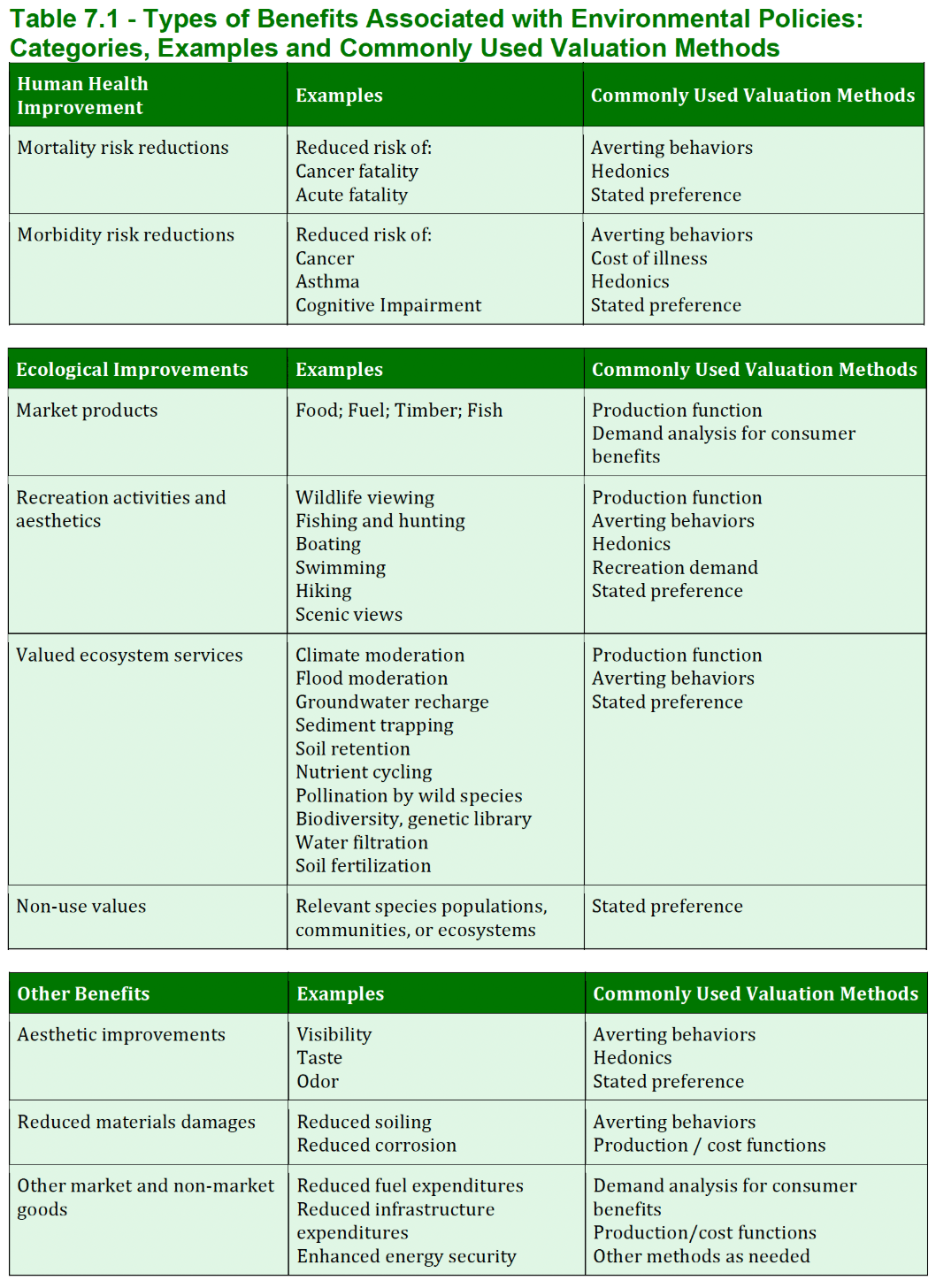
In fact, many of these intangible returns also yield real economic consequences. For instance, air pollution significantly affects the economy, and while human life is priceless, it is sometimes granted economic value for the purpose of cost-benefit analyses.
The returns: Where air quality monitoring creates value
Air quality monitoring ROI is diverse, with networks delivering value on multiple fronts:
- Regulatory & compliance value: Reliable air quality data provides key insights into air pollution hotspots, inequalities, and sources. This information informs which regulations would have the most beneficial effect on public health. Monitoring also helps track the impact of regulatory action and identify where violations occur, supporting robust policy enforcement and leading to avoided costs and fines.
- Operational & decision-making value: Air quality data can help organizations make the best decisions. For instance, government agencies know when to issue public health advisories, whereas industries can better manage operational risk and avoid fines. School Districts, such as Los Angeles Unified School District (LAUSD), know when to limit student outdoor time or send pupils home during wildfire smoke events.
- Funding & reputational value: Accurate air quality data can strengthen grant applications and external funding by showing evidence-based need and impact. Air quality monitoring also provides transparency and accountability for residents and stakeholders.
- Policymaking & impact-tracking value: Air quality data helps identify where targeted interventions and policies are most needed and shows how effective these policies are once they are in place. For instance, air quality monitoring data supported the implementation of London’s ultra-low emission zone (ULEZ) and reported subsequent positive effects on air pollution: In 2024, harmful roadside NO2 concentrations were estimated to be 27% lower across London than they would have been without ULEZ and its expansions.
- Public health & community value: Open Air quality data keeps the general public informed through platforms such as Clarity’s OpenMap, so that individuals can make the best decisions to protect their health. This is especially important during high pollution events, such as heavy smog days or wildfires.
- Advocacy & environmental justice value: Air quality data can reveal where there are air pollution inequalities, providing the evidence needed to initiate change and raise community awareness about air quality injustices. For instance, air quality monitoring helped the world recognize Cancer Alley’s hazardous air pollution and equipped social justice organizations with the evidence they needed to advocate for lowered emissions and public safety measures.
How to calculate air quality monitoring ROI
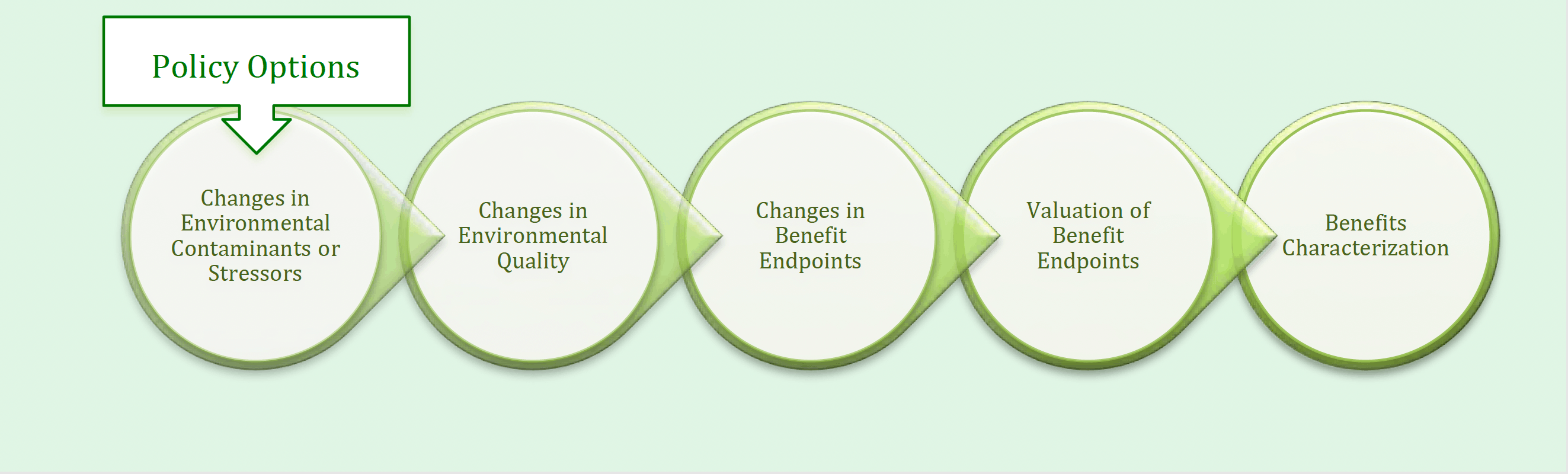
Typical ROI calculations are not always applicable to air quality monitoring projects because they do not take into account non-monetary benefits or benefits diffused across communities and ecosystems rather than one organization’s revenue, which is why it is often most appropriate for taxpayer-funded public agencies to make the investment. The payback period for air quality networks can be long and non-traditional. Proxy values and qualitative scoring are among the techniques that can help address this gap and allow project managers to calculate a more fitting ROI.
Proxy values are financial stand-ins, an estimated monetary value given to something that does not inherently have a market price for cost-benefit analysis. Qualitative scoring consists of taking into account project outcomes that cannot be easily quantified. These project outcomes are discussed qualitatively and scored rather than being assigned a monetary value.
Building an air quality monitoring budget
When budgeting for air quality monitoring projects, program managers might consider structuring the budget in efficient ways that take into account hidden expenses:
- Distinguish between one-time costs and recurring costs: Air quality monitoring consists of both upfront expenses, such as hardware and installation, and ongoing costs, such as power connectivity and repairs. Program managers need to take both types of costs into account and plan for them accordingly.
- Phase air quality sensor rollout: Rather than beginning with a massive air quality monitoring network, program managers can begin with a pilot phase where a small number of sensors are deployed to evaluate sensor performance and cost before scaling up to a larger network. Yerevan’s air quality sensor network and many others followed this process.
- Remember to budget for hidden costs: Air quality monitoring networks consist of much more than just hardware costs. Program managers must set aside funds for sensor housing and weatherproofing, administration, travel, technical support, data management fees, air sensor collocation, and more.
- Build in a contingency allocation: Program managers need to be prepared for unexpected expenses from things such as vandalism, theft, and sensor malfunctions.
- Select a self-sufficient sensor network: Air quality sensors that are weatherproof, use solar power and cellular connectivity, and require little manual oversight substantially cut hidden costs.
- Set aside funds for community impact: Air quality monitoring projects can make a greater impact when the air pollution data is shared with both the community and policymakers. Measures to educate and involve the community can further strengthen the program’s impact. For instance, Breathe Accra has its own communications and publicity officer and has assisted with relevant educational workshops.
Subscription vs Outright purchase: Choosing a budget model
Air sensor network managers have two options when it comes to selecting an air quality monitoring budget model; they can either buy the equipment outright or pay an annual subscription fee for using the air quality sensors over time. Clarity’s Sensing-as-a-Service model falls into the latter category.
Funding air quality monitoring: Grants & external sources
When determining the air quality monitoring budget, program managers usually need to secure funding for the projects they wish to implement. Grants and other kinds of external investments significantly improve ROI and ease budget pressure.
Program managers might consider state-backed funding programs, EPA grants, co-funding partnerships, and even community cost-sharing models. Clarity has compiled multiple air quality monitoring funding opportunities that can provide essential support to a monitoring project.
Real-world examples: Air quality monitoring ROI in practice
Air quality monitoring programs have yielded significant returns on investment in countless cities around the world.
Richmond, California
The residents of Richmond, California, experience significant air pollution from industrial sources, freight transportation emissions, and a dense network of freeways. Nearly a third of children in the area are afflicted with asthma, a statistic influenced by the heightened air pollution in the region.
However, a network of 50 Clarity Node-S air quality sensors has empowered locals to fight for clean air and take steps to reduce both industrial and transportation emissions. With accessible and reliable air quality data, Richmond established the Community Emissions and Exposure Reduction Plan (CERP), designed by a community-led steering committee. The plan is a regulatory effort supported by legislation with the power to enforce emission reductions and direct funds to mitigate exposure.
We couldn't have done it with any other air quality monitoring solution. With their unique ability to operate off-grid, Clarity's Node-S provided the ability to site our air quality monitors in the locations that mattered most to community members in Richmond. The data are reliable, real-time, and hyperlocal, and our network is now being used as a blueprint for AB 617, a landmark regulation that empowers communities to take control of air pollution."
— Matt Holmes, Air Quality Consultant and former Executive Director, Groundwork Richmond
Sac Metro Air District
In the face of increasing wildfire events near Sacramento, California, the Sac Metro Air District created a holistic air quality monitoring network, which included 21 Node-S air quality sensors alongside several different monitoring technologies.
The multifaceted air quality monitoring network enabled residents to protect themselves from wildfire smoke by providing accessible and reliable air quality data. During wildfire events, smoke conditions can change rapidly and vary significantly across different locations. Clarity’s hyperlocal and real-time sensor data helped fill in these gaps and ensure public safety. Locals were also provided with communication tools with actionable guidance for handling smoke days.
A lot of the public and the community are asking questions... and people really want to know what is the air quality in my neighborhood? What is it in my community? What is it in my child's school? What is the air quality for my employees, our outdoor workers' exposure?"
— Janice Lam Snyder, Sac Metro Air District
Almaty/Bishkek
The cities of Almaty and Bishkek, located in Central Asia, face significant air pollution, particularly during the cold winters when coal-powered heating and fossil fuels often cause air pollution levels to surpass safe limits by up to 30 times, according to the World Health Organization (WHO) air quality guidelines.
50 Clarity Node-S air quality sensors were financed for Bishkek in 2021, and 50 more for Almaty in 2022. The data from this collective air quality monitoring network established a baseline and showed the progress of air quality management strategies in the Almaty - Bishkek Economic Corridor (ABEC). In particular, it played a pivotal role in the ABEC Clean Air Initiative. The data also fostered several air pollution research projects, and in 2023, it even enabled $50 million in World Bank funding for the Kyrgyz Republic Air Quality Improvement Project.
Maximize ROI with Sensing-as-a-Service from Clarity
Subscription models, such as Clarity’s Sensing-as-a-Service, can help increase air quality monitoring return on investment by providing flexibility, scalability, and bundling ancillary costs into one predictable annual fee with less operational risk. Partner with Clarity to maximize air quality monitoring returns and support clean air.