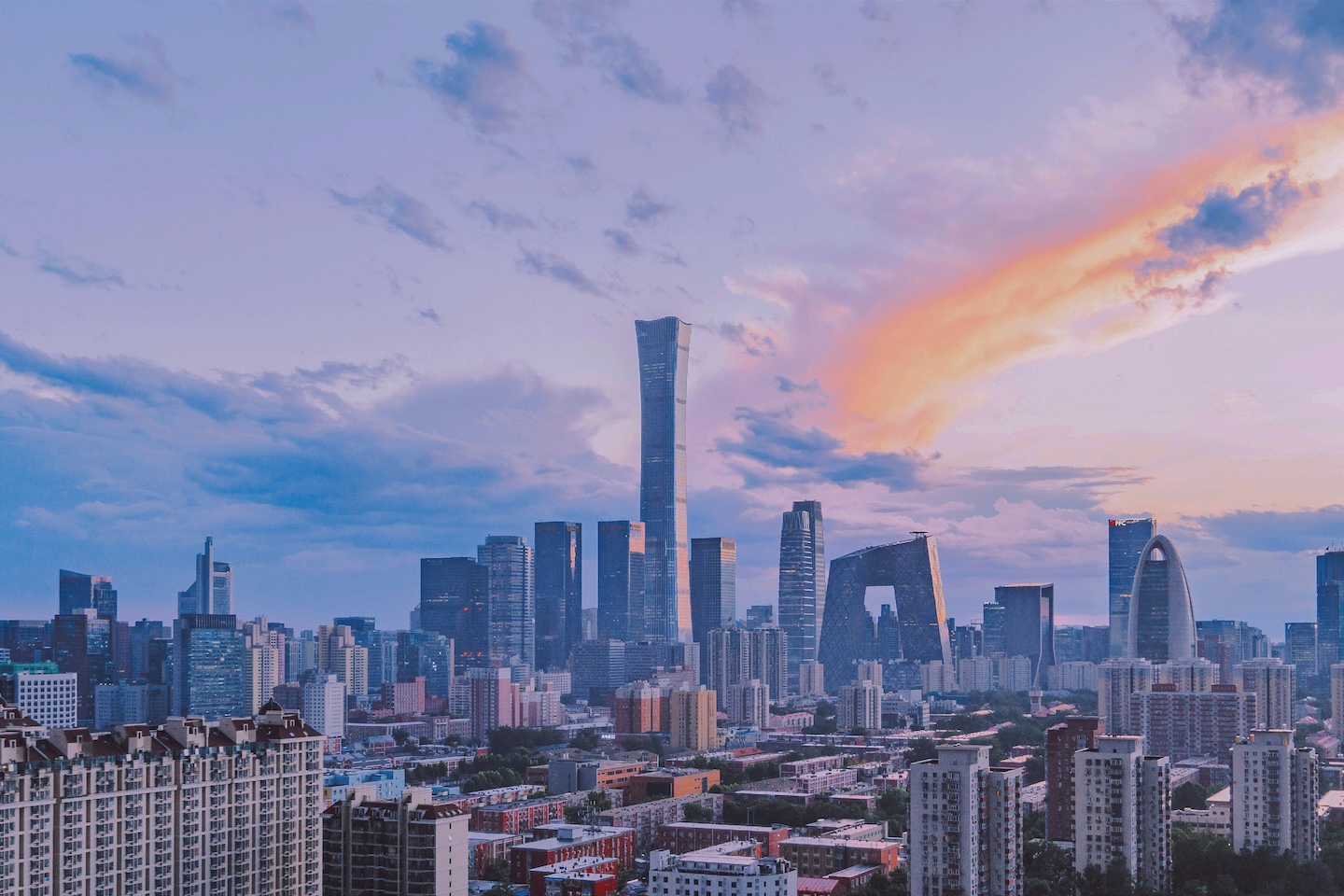
Image provided by Albert Canite via Unsplash.
TL;DR: Cities around the world are showing that cleaner air is possible with the right mix of policy, investment, and reliable air quality data. This article explores how London, San Francisco, and Beijing reduced harmful pollutants through cleaner transportation, expanded air quality monitoring, and other targeted emissions controls. Their success highlights the role of data-driven strategies in improving public health and creating healthier urban environments.
The Breathe Cities Report: How cities around the world are fighting air pollution
Air pollution poses a serious public health threat to urban populations around the world. 41% of cities have air pollution that is over 7 times higher than the World Health Organization’s recommendation. Fortunately, there are proven ways that cities can mitigate emissions and protect their residents.
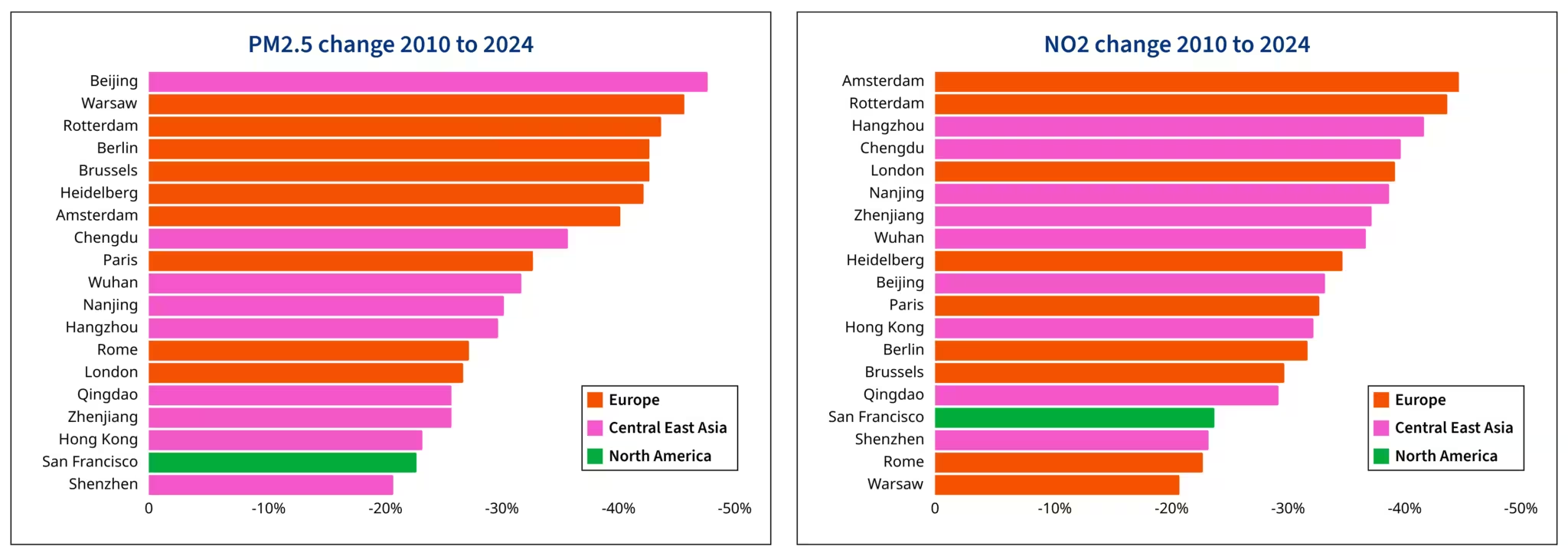
In March 2026, the Breathe Cities initiative released a report that identified 19 cities across 9 countries that reduced both fine particulate matter (PM2.5) and nitrogen dioxide (NO2) levels by at least 20% between 2010 and 2024. These remarkable reductions show that improvements in air quality are not only possible, but they can be accomplished on a large scale.
Successful air pollution mitigation strategies for cities
The report identified many of the leading strategies that enabled these significant air pollution reductions in so many different cities. These successful mitigation methods included:
- Investments in air quality monitoring and emissions analysis. The expansion of dense air quality monitoring networks improves regulation enforcement, increases public awareness, and enables the development of effective air quality management plans. Reliable data on air pollution sources and the ability to track plan progress support clean air change.
- Promotion of active travel. Infrastructure changes such as expanding cycling networks, pedestrian zones, and green spaces can reduce air pollution emissions while encouraging physical exercise.
- Implementation of effective public transport. Expanding, modernizing, and electrifying public transportation systems allows cities to reduce emissions from vehicle travel and diesel buses.
- Transitioning to electric vehicles. Electric vehicles (EVs) might produce manufacturing and non-exhaust emissions, but they are still a better alternative to traditional cars in protecting city air. Cities can install electric charging infrastructure and provide various incentives and subsidies to help promote electric travel.
- Restrictions on older vehicles. Many older vehicles emit more air pollution than modern ones, especially older diesel vehicles. Cities can implement low-emission zones and provide financial assistance for scrapping older cars.
- Use of cleaner fuels for cooking and heating. Coal and solid fuels can significantly contribute to air pollution. Bans on solid fuels, as well as support for the transition to cleaner sources, can help mitigate emissions.
- Integration of national and regional frameworks. Long-term improvement is strongest in cities that align local action with supportive national and regional frameworks. Countries with supportive policies and regulations can impact city-level changes.
Case studies in urban air quality improvement
London, San Francisco, and Beijing are among the cities highlighted by the report for achieving remarkable reductions in air pollution. London saw a 28% reduction in PM2.5, while Beijing saw an incredible 48% reduction in PM2.5. San Francisco was the only United States city included in the report for cutting levels of both pollutants by more than 20%.
London air quality improvement initiatives
London has had a long history of air pollution, but has taken many steps to improve urban air quality in recent decades. The Breathe London initiative implemented hundreds of professional-grade air pollution sensors across all 33 city boroughs. This hyperlocal data enables community education, engagement, and activism. The data also informs urban planning decisions and effective clean air policies.

In 2008, London implemented a low-emission zone (LEZ), which saw the addition of an ultra-low emission zone (ULEZ) in 2019. LEZs are designated areas within cities where access by certain vehicles is restricted or discouraged based on select emission standards. The goal of LEZs and ULEZs is to reduce vehicle emissions. These efforts have been effective; In 2024, following the implementation of the ultra-low emission zone, NO2 levels were estimated to be 27% lower across all of London.
London has also continued to develop its public transportation system by constructing the Elizabeth Line and integrating low- and zero-emission public buses. London now has the largest zero-emission bus fleet in western Europe, making up about 28% of the city’s entire bus fleet.
San Francisco air quality improvement initiatives
San Francisco has extensive air quality monitoring, including the Brightline Defense’s network of 19 Clarity Node-S air quality monitors. The network’s reliable data supports policy objectives and helps raise community awareness.
The air quality sensors help understand the air pollution impacts of traffic, zoning policies, and construction. They are also especially useful during wildfires, ensuring that residents have the information they need to protect themselves from these severe air pollution events.

San Francisco has also taken steps to encourage the use of electric vehicles (EVs). The city has mandated the installation of charging infrastructure in many new developments, providing financial incentives to support EV charging infrastructure building costs. Through EV Charge SF, projects can take advantage of up to $120,000 for installation costs and can even gain technical assistance from the city.
San Francisco has additionally made efforts to tackle parking reform, removing parking minimum requirements and encouraging biking, walking, and public transportation over car use. This complements the city’s extensive and sustainable public transport system. Already by 2017, more than 52% of trips to, from, and within the city used alternatives to car travel.
Beijing air quality improvement initiatives
Beijing saw the largest PM2.5 reductions of all the cities included in the report. Over the last decade, Beijing has implemented an advanced air quality monitoring network with dozens of reference stations and thousands of air quality sensors. Since 2010, the city has rapidly expanded its metro system and taken steps to electrify its bus fleet. Beijing has plans to continue expanding its incredible public transportation system to enable ease of travel with lower emissions.
Similar to other Chinese cities, Beijing has taken steps to promote the transition to electric vehicles. Beijing has offered subsidies for the purchase of electric vehicles and incentives for the manufacturing of EVs. The city has deployed thousands of public charging stations to support EV users.
Beijing has implemented a coal ban policy, which has significantly reduced particulate matter air pollution. The city has also renovated thousands of MW coal-fired boilers and converted over a million households from coal to gas or electricity. Inconsistent natural gas subsidies have had consequences for surrounding regions, underscoring the need for balancing consistent legislation with air pollution needs. Yet the air quality improvements in central Beijing have been undeniable, protecting public health from dangerous emissions.
Next steps: How other cities can achieve air pollution reductions
The Breathe Cities report demonstrates that rapid and sustained air pollution reductions are achievable for major cities. Air quality monitoring plays an important role in supporting air quality improvement initiatives, providing the data to back regulation and policy changes while helping raise public awareness. Partner with Clarity to implement an advanced air quality monitoring network.