Urban Planning
Article
November 17, 2026
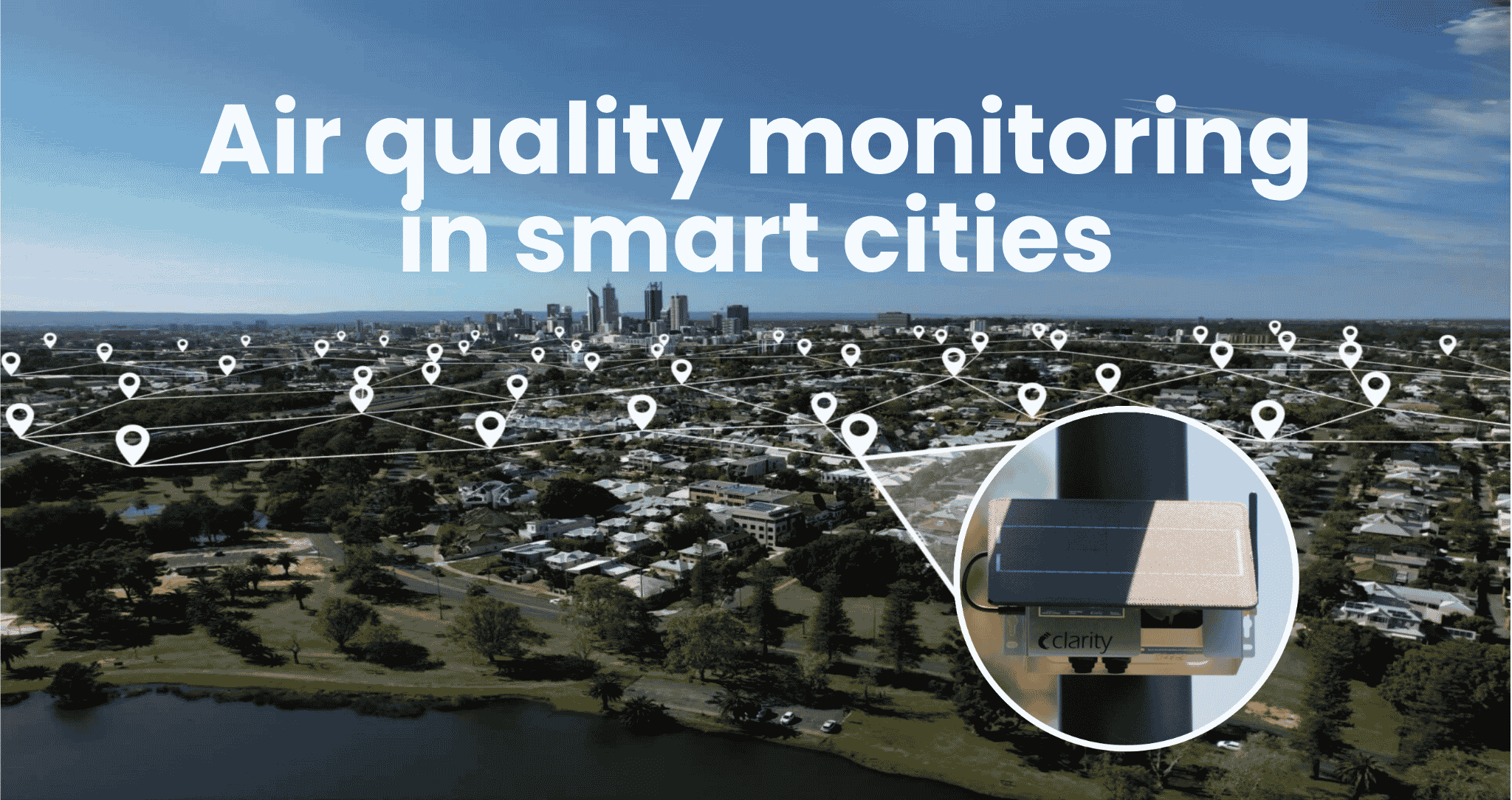
Air quality monitoring in smart cities: How urban sensor networks clear the airSmart city air quality monitoring uses both real-time sensor networks and reference monitors to track urban air pollution and protect public health.
Article
How are major cities achieving improved air quality? What has worked for London, San Francisco, and BeijingDiscover how London, San Francisco, and Beijing achieved major air quality improvements through air quality monitoring networks, cleaner transportation, low-emission policies, and other pollution reduction strategies.
Article
Royal Automobile Club of Western Australia publishes first black carbon monitoring report!Discover key insights from the RAC’s black carbon monitoring report in Perth, revealing how traffic emissions, weather, and biomass burning impact local air quality and public health.
Article
The importance of public transportation in reducing urban air pollution: Taking a closer look at San Francisco, New York, and LondonIn San Francisco, New York, and London, public transportation lowers greenhouse gases and other pollutants, improving urban air quality and supporting public health.
Article
Are electric vehicles enough to clean up city air?Electric Vehicles eliminate tailpipe air pollution but still produce some emissions from wear, charging, and manufacturing. Cleaner energy and battery recycling help reduce EV air pollution.
Article
How cities around the world are implementing Low Emission Zones (LEZs) to improve air qualityCities around the world are improving air quality by introducing Low Emission Zones (LEZs), Ultra Low Emission Zones (ULEZs), and congestion pricing. From London to Warsaw to New York, these measures reduce vehicle emissions, ease traffic, and support public health.
Article
Do controlled burns prevent wildfires? The shift from suppression to preventionDecades of intensive fire control have actually made forests more vulnerable to severe wildfires. Controlled burns provide a safer and cost-effective way to reduce risk, restore ecosystems, and build long-term wildfire resilience.
Article
A timeline of London’s air quality over the years: From the Great Smog to a clean air leaderLondon’s air pollution, once marked by dense and hazardous fog, has improved significantly through legislation and initiatives such as Breathe London.
Article
How forest management reduces wildfire risks and protects park air qualityImplementing wildfire prevention strategies at the individual and agency levels, establishing resilient air quality monitoring networks, and understanding how severely wildfire and poor air quality impact our national parks can help preserve them.
Article
Collaborative Efforts in Air Quality Monitoring: A Global PerspectiveAir pollutants affect everyone, everywhere. From bustling city streets to remote countryside areas, these unseen enemies — ranging from particulate matter to noxious gases — have a profound impact on our health, environment, and economies.
Article
Air Quality Advocacy & Education: Data-Driven Campaigns Lead to Cleaner CitiesImagine transforming our urban environments from smog-filled to health-promoting spaces. That’s where air quality advocacy and education step in, serving as the catalyst for this vital change.